
APA's Surge Amid Geopolitical Tensions and Rising Oil Prices: Strategic Positioning in Energy Transition and Geopolitical Risk Inflation
In the volatile landscape of 2025, APA CorporationAPA-- (APA) has emerged as a standout performer, with its stock surging 4.17% to $25.35 on September 26 amid escalating geopolitical tensions and a second consecutive day of oil price gains[1]. This surge reflects a confluence of macroeconomic forces and strategic corporate positioning, as APAAPA-- navigates the dual pressures of energy transition and geopolitical risk inflation.
Geopolitical Tensions and Oil Price Volatility: A Tailwind for APA
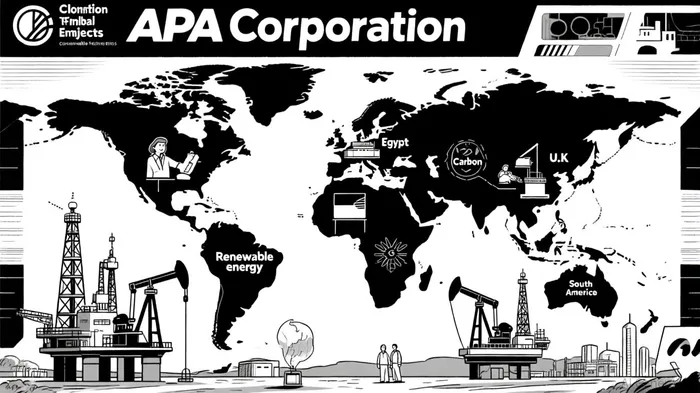
The immediate catalyst for APA's rally lies in the intensifying geopolitical standoff between NATO and Russia, exacerbated by President Trump's reversal of U.S. policy to support Ukraine's territorial reclamation efforts[1]. This shift has stoked fears of global oil supply disruptions, driving Brent crude prices to multi-year highs. As a major upstream producer with operations in the U.S., Egypt, the U.K., and South America, APA benefits from higher oil prices while avoiding direct exposure to Russian operations—a critical advantage in an era of sanctions and trade restrictions[1].
Investment firm Benchmark underscores this dynamic, maintaining a “Buy” rating and $33 price target for APA, citing its operational efficiency and exploration potential[1]. Meanwhile, APA's 4.2% dividend yield offers a compelling income hedge for investors wary of market volatility, further bolstering its appeal in a high-inflation environment[1].
Energy Transition and Geopolitical Risk Mitigation: APA's Dual Strategy
Beyond short-term gains, APA's long-term resilience stems from its proactive energy transition initiatives. The company exceeded its 2021–2024 emissions reduction target by eliminating 1.24 million tonnes of annualized CO₂e through 50 global projects, including carbon capture and renewable energy integration[1]. These efforts align with broader industry trends toward sustainability, as highlighted by IRENA's assertion that geopolitical risks can catalyze renewable energy adoption by reducing dependence on politically unstable regions[3].
APA's strategy also addresses supply chain vulnerabilities. By minimizing freshwater use (97% of its water sourced from produced and brackish water) and prioritizing local suppliers (44% of operating budgets allocated to local contractors), APA mitigates risks tied to resource competition and trade conflicts[1]. This approach mirrors KPMG's 2025 recommendation for energy firms to diversify supply chains and invest in resilience[4].
Geopolitical Risk Inflation and APA's Strategic Adaptability
The energy sector in 2025 faces a paradox: while geopolitical tensions drive oil prices upward, they also accelerate the push for energy independence and decarbonization. APA's leadership changes and cost management initiatives position it to thrive in this duality[1]. For instance, the U.S. government's executive orders prioritizing fossil fuel production and streamlined infrastructure permitting[2] create regulatory headwinds for some ESG-focused firms but offer APA a competitive edge in high-margin, geopolitically stable regions.
Moreover, APA's focus on high-margin production areas and operational efficiency—such as optimizing its Permian Basin operations—ensures resilience against potential supply chain disruptions[1]. This adaptability is critical as global energy markets grapple with fragmented policies and inflationary pressures, particularly in Europe, where energy security concerns have reshaped trade routes[2].
Risks and Considerations
While APA's strategic positioning is robust, challenges remain. The Alpine High settlement—a lingering credibility concern for Benchmark—highlights the need for transparency in ESG reporting[1]. Additionally, the U.S. executive orders favoring fossil fuels could create regulatory uncertainty, particularly as state-level policies clash with federal priorities[2]. Investors must also weigh the long-term viability of APA's carbon capture projects against the rapid pace of renewable energy innovation.
Conclusion: A Compelling Case for APA
APA's surge in 2025 is not merely a reaction to geopolitical tailwinds but a testament to its strategic foresight in aligning with both energy transition imperatives and geopolitical risk mitigation. By leveraging its global footprint, operational efficiency, and sustainability initiatives, APA has positioned itself as a resilient player in an era of volatility. For investors seeking exposure to a company that thrives at the intersection of macroeconomic forces and long-term energy trends, APA offers a compelling case—provided they remain attuned to the evolving regulatory and geopolitical landscape.





Comentarios
Aún no hay comentarios