
Antitrust Risks and Political Polarization in the Warner Bros. Acquisition: A Strategic Investment Analysis for the Media Sector
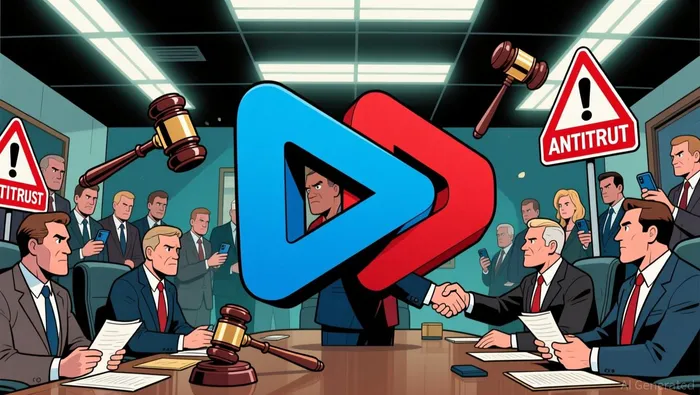
The proposed $72 billion acquisition of Warner Bros.WBD-- Discovery by NetflixNFLX-- has ignited a firestorm of antitrust scrutiny and political debate, positioning it as one of the most consequential corporate deals of 2025. For investors in the media sector, the transaction represents a high-stakes intersection of regulatory uncertainty, market dynamics, and political polarization. This analysis examines the antitrust risks, political influences, and financial implications for stakeholders navigating this complex landscape.
Antitrust Scrutiny: Market Concentration and Regulatory Thresholds
, a figure that directly triggers antitrust red flags under U.S. and global competition laws. According to a report by Reuters, regulators are particularly concerned about the elimination of a major competitor (HBO Max) and the potential for Netflix to dominate content pricing and distribution. The Department of Justice has signaled a stricter enforcement stance, with recent amendments to the Hart-Scott-Rodino Act increasing data requirements for merger reviews.
Netflix has countered by redefining the "relevant market" to include platforms like YouTube and TikTok, arguing that this dilutes its dominance. However, antitrust experts remain skeptical. As stated by Senator , a leading authority on competition policy, the deal "has a lot of antitrust red flags" and is likely to face Senate hearings. The European Commission and UK regulators are also expected to intervene, given the global reach of the combined entity.
Political Polarization: A Divisive Regulatory Environment
The deal has become a lightning rod for political polarization, with both major parties in the U.S. expressing concerns. has explicitly warned that the merger could face antitrust challenges, leveraging his influence to advocate for stricter oversight. Conversely, Democratic Senator Elizabeth Warren has labeled the deal an "anti-monopoly nightmare," emphasizing risks to consumer choice and labor markets.
This partisan divide is compounded by broader ideological shifts. The Trump administration's revocation of Biden's 2021 has shifted enforcement priorities toward traditional consumer welfare metrics, but foreign-owned or politically sensitive deals remain under heightened scrutiny. Meanwhile, the DOJ's "Comply With Care" task force has signaled a zero-tolerance approach to obstructive behaviors during investigations, such as evidence destruction.
Investor Risks: Financial and Strategic Vulnerabilities
 For investors, the merger's risks extend beyond regulatory hurdles. The deal is largely debt-financed, . caution that integration challenges-such as cultural clashes and overlapping business models-could undermine synergies. The Independent Cinema Alliance has also raised concerns about reduced theatrical releases, potentially harming ancillary revenue streams.
, which could erode shareholder value if regulators reject the deal. Competing bids from Paramount Skydance and Comcast add another layer of uncertainty, .
Market Implications: A Broader Shift in Antitrust Enforcement
The Netflix-Warner Bros. case reflects a broader trend of intensified antitrust enforcement in the media sector. ruling, which mandated conduct-based remedies over structural ones, underscores regulators' preference for targeted interventions. Similarly, the UK's has expanded the Competition and Markets Authority's powers, requiring global players to adapt to jurisdiction-specific compliance frameworks.
Investors must also consider the geopolitical dimension. State attorneys general are increasingly acting independently, pursuing cases in areas like ESG initiatives and digital content distribution. This fragmented enforcement landscape demands proactive risk management strategies, particularly for cross-border operations.
Conclusion: Navigating a High-Stakes Landscape
The Warner Bros. acquisition battle epitomizes the volatile interplay of antitrust law, political ideology, and market forces. For investors, the key risks lie in regulatory outcomes, financial leverage, and geopolitical fragmentation. While Netflix's argument for consumer benefits is compelling, the political polarization and global scrutiny suggest a prolonged and unpredictable approval process.
Investors should closely monitor developments in the DOJ's antitrust guidelines, the DOJ's stance on market definitions, and the political calculus of key figures like Trump and Vice President . In this environment, strategic patience and diversified exposure may be preferable to high-risk bets on a single transformative deal.





Comentarios
Aún no hay comentarios