
Antennova's ATN-022: A Promising New Hope for Advanced Gastric Cancer Patients
Generado por agente de IAHarrison Brooks
martes, 21 de enero de 2025, 10:16 pm ET2 min de lectura
ATNI--
Antennova, a clinical-stage biotech company focused on oncology, recently presented promising Phase I/II data on its lead candidate, ATN-022, at the American Society of Clinical Oncology Gastrointestinal Cancers Symposium (ASCO GI) 2025. The data demonstrated an overall response rate (ORR) of 42.9% in patients with advanced or metastatic gastric cancer, highlighting the potential of this antibody-drug conjugate (ADC) in treating this aggressive and often fatal disease.
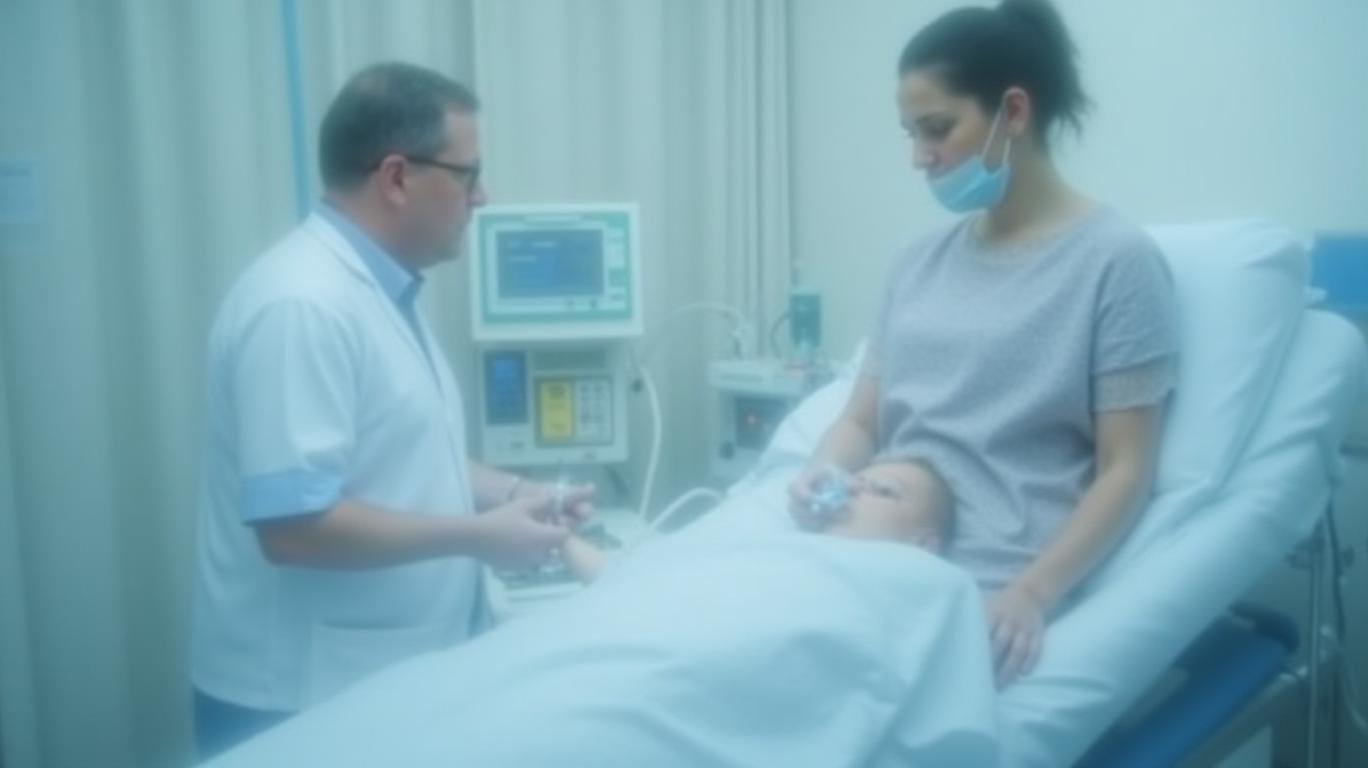
Gastric cancer is the fifth most common cancer worldwide, with over 1 million new cases diagnosed annually (1). It is particularly prevalent in East Asia, with China and Japan accounting for more than half of the global burden. The disease is often diagnosed at an advanced stage, with a five-year survival rate of only 5% to 10% (2). Current treatments, including chemotherapy and targeted therapies, have limited efficacy, and there is an urgent need for more effective and well-tolerated therapies.
ATN-022 is an ADC designed to target CLDN18.2, a member of the Claudin family of cell adhesion molecules that is frequently overexpressed in gastric cancer. The ADC consists of a high-affinity antibody against CLDN18.2 linked to a potent cytotoxic payload. In the Phase I/II CLINCH study, ATN-022 demonstrated a manageable safety profile and promising preliminary antitumor activity in late-stage gastric cancer patients across various levels of CLDN18.2 expression.
The ORR of 42.9% observed in the dose expansion phase of the CLINCH study is particularly encouraging, as it compares favorably to existing treatments. For instance, the ORR for standard first-line chemotherapy regimens, such as fluoropyrimidine and platinum-based combinations, typically ranges from 25% to 45% (3). Additionally, the ORR for immune checkpoint inhibitors, such as pembrolizumab, in gastric cancer is around 15% (4). The high ORR observed with ATN-022 suggests that it could potentially compete with existing treatments and capture a significant market share.
The U.S. Food and Drug Administration (FDA) has awarded Orphan Drug Designations to ATN-022 for gastric and pancreatic cancers, which can provide certain benefits, such as market exclusivity and potential accelerated approval. This designation can further enhance the drug's commercial potential and Antennova's valuation.
In conclusion, the presentation of ATN-022's data at ASCO GI 2025 highlights the potential of this ADC in treating advanced or metastatic gastric cancer. With an ORR of 42.9% and a manageable safety profile, ATN-022 could become a competitive treatment option for patients with this aggressive and often fatal disease. The Orphan Drug Designation for gastric and pancreatic cancers further enhances the drug's commercial potential and Antennova's valuation. As the company continues to advance its clinical pipeline, including ATN-022, investors may benefit from the potential growth and value creation that could result from successful clinical development and commercialization efforts.
References:
(1) World Health Organization. (2020). Cancer. Retrieved from
(2) American Cancer Society. (2021). Survival Rates for Gastric (Stomach) Cancer. Retrieved from
(3) Bang, Y.-J., et al. (2010). Trastuzumab in combination with chemotherapy versus chemotherapy alone for treatment of HER2-positive advanced gastric or gastro-oesophageal junction cancer (ToGA): a phase 3, open-label, randomised controlled trial. The Lancet, 376(9751), 687-697.
(4) Cohen, J. B., et al. (2019). Pembrolizumab versus paclitaxel for previously treated, PD-L1-positive, advanced gastric or gastro-oesophageal junction cancer (KEYNOTE-061): a randomised controlled trial. The Lancet, 394(10206), 1222-1232.
CKPT--
TOI--
Antennova, a clinical-stage biotech company focused on oncology, recently presented promising Phase I/II data on its lead candidate, ATN-022, at the American Society of Clinical Oncology Gastrointestinal Cancers Symposium (ASCO GI) 2025. The data demonstrated an overall response rate (ORR) of 42.9% in patients with advanced or metastatic gastric cancer, highlighting the potential of this antibody-drug conjugate (ADC) in treating this aggressive and often fatal disease.
Gastric cancer is the fifth most common cancer worldwide, with over 1 million new cases diagnosed annually (1). It is particularly prevalent in East Asia, with China and Japan accounting for more than half of the global burden. The disease is often diagnosed at an advanced stage, with a five-year survival rate of only 5% to 10% (2). Current treatments, including chemotherapy and targeted therapies, have limited efficacy, and there is an urgent need for more effective and well-tolerated therapies.
ATN-022 is an ADC designed to target CLDN18.2, a member of the Claudin family of cell adhesion molecules that is frequently overexpressed in gastric cancer. The ADC consists of a high-affinity antibody against CLDN18.2 linked to a potent cytotoxic payload. In the Phase I/II CLINCH study, ATN-022 demonstrated a manageable safety profile and promising preliminary antitumor activity in late-stage gastric cancer patients across various levels of CLDN18.2 expression.
The ORR of 42.9% observed in the dose expansion phase of the CLINCH study is particularly encouraging, as it compares favorably to existing treatments. For instance, the ORR for standard first-line chemotherapy regimens, such as fluoropyrimidine and platinum-based combinations, typically ranges from 25% to 45% (3). Additionally, the ORR for immune checkpoint inhibitors, such as pembrolizumab, in gastric cancer is around 15% (4). The high ORR observed with ATN-022 suggests that it could potentially compete with existing treatments and capture a significant market share.
The U.S. Food and Drug Administration (FDA) has awarded Orphan Drug Designations to ATN-022 for gastric and pancreatic cancers, which can provide certain benefits, such as market exclusivity and potential accelerated approval. This designation can further enhance the drug's commercial potential and Antennova's valuation.
In conclusion, the presentation of ATN-022's data at ASCO GI 2025 highlights the potential of this ADC in treating advanced or metastatic gastric cancer. With an ORR of 42.9% and a manageable safety profile, ATN-022 could become a competitive treatment option for patients with this aggressive and often fatal disease. The Orphan Drug Designation for gastric and pancreatic cancers further enhances the drug's commercial potential and Antennova's valuation. As the company continues to advance its clinical pipeline, including ATN-022, investors may benefit from the potential growth and value creation that could result from successful clinical development and commercialization efforts.
References:
(1) World Health Organization. (2020). Cancer. Retrieved from
(2) American Cancer Society. (2021). Survival Rates for Gastric (Stomach) Cancer. Retrieved from
(3) Bang, Y.-J., et al. (2010). Trastuzumab in combination with chemotherapy versus chemotherapy alone for treatment of HER2-positive advanced gastric or gastro-oesophageal junction cancer (ToGA): a phase 3, open-label, randomised controlled trial. The Lancet, 376(9751), 687-697.
(4) Cohen, J. B., et al. (2019). Pembrolizumab versus paclitaxel for previously treated, PD-L1-positive, advanced gastric or gastro-oesophageal junction cancer (KEYNOTE-061): a randomised controlled trial. The Lancet, 394(10206), 1222-1232.

Divulgación editorial y transparencia de la IA: Ainvest News utiliza tecnología avanzada de Modelos de Lenguaje Largo (LLM) para sintetizar y analizar datos de mercado en tiempo real. Para garantizar los más altos estándares de integridad, cada artículo se somete a un riguroso proceso de verificación con participación humana.
Mientras la IA asiste en el procesamiento de datos y la redacción inicial, un miembro editorial profesional de Ainvest revisa, verifica y aprueba de forma independiente todo el contenido para garantizar su precisión y cumplimiento con los estándares editoriales de Ainvest Fintech Inc. Esta supervisión humana está diseñada para mitigar las alucinaciones de la IA y garantizar el contexto financiero.
Advertencia sobre inversiones: Este contenido se proporciona únicamente con fines informativos y no constituye asesoramiento profesional de inversión, legal o financiero. Los mercados conllevan riesgos inherentes. Se recomienda a los usuarios que realicen una investigación independiente o consulten a un asesor financiero certificado antes de tomar cualquier decisión. Ainvest Fintech Inc. se exime de toda responsabilidad por las acciones tomadas con base en esta información. ¿Encontró un error? Reportar un problema


SOBRE NOSOTROS
Nuestra historiaAutores de noticiasBase de conocimientosPolítica de privacidadTérmino de usoDescargo de responsabilidad de corretaje de tercerosTérminos de uso de AIMEDivulgaciones de riesgos de AInvest AICarrerasCONTÁCTENOS
Email: support@ainvest.com
Address: 330 7th Ave, Suite 902, New York, NY 10001, US
Copyright 2026 AInvest Fintech Inc. All rights reserved.


Comentarios
Aún no hay comentarios