
Why Anheuser-Busch InBev Is Poised for a Comeback: Deleveraging and Premium Brands Drive Undervalued Growth
The beer giant Anheuser-Busch InBevBUD-- (BUD) has long been synonymous with the challenges of a mature, debt-laden consumer goods firm. But today, the company is undergoing a transformation that could unlock its undervalued potential—and investors ignoring this shift are missing out.
The Catalysts: Deleveraging and Margin Expansion
AB InBev’s turnaround hinges on two critical financial levers: accelerated debt reduction and margin expansion. Goldman Sachs recently upgraded the stock to "Buy" with a price target of $88, citing a path to a net debt/EBITDA ratio of 2.2x by 2026, down from 2.9x in 2024 and a peak of 4.3x in 2019. This deleveraging isn’t just about balance sheet health—it’s a cash flow gamechanger. Lower interest expenses will directly boost EPS, even as the company maintains modest $2 billion annual share buybacks and raises its dividend payout to 40% of earnings.
The progress is already evident. In Q1 2025, AB InBev reported a 7.9% jump in EBITDA to $4.85 billion, driven by a 218-basis-point margin expansion to 35.6%. This reflects disciplined cost management and the power of its premium brands.
Premium Brands: The Growth Engine
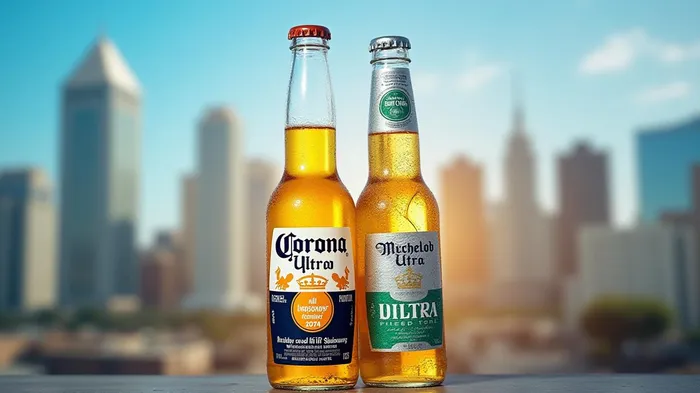
AB InBev’s premiumization strategy is firing on all cylinders. Brands like Corona and Michelob Ultra are delivering outsized results:
- Corona saw 11.2% revenue growth outside Mexico in Q1, fueled by its global appeal and 100th-anniversary marketing push.
- Michelob Ultra continues to dominate the U.S. beer market, with volume gains even as the category faces macro headwinds.
- Non-alcoholic beers grew 34% globally, led by Corona Cero, while ready-to-drink (RTD) products like Cutwater surged 16.6%.
These brands aren’t just selling beer—they’re selling lifestyle and innovation, attracting younger, higher-margin consumers.
Emerging Markets: The Undervalued Opportunity
AB InBev’s 60% revenue exposure to emerging markets (e.g., Brazil, Colombia, Mexico, and Africa) is a hidden gem. These markets delivered double-digit bottom-line growth in Q1, driven by premiumization and margin recovery. Even in China—a key concern—management is pivoting to digital platforms like the BEES Marketplace (GMV up 53% to $645 million) and in-home delivery services to offset on-trade channel softness.
The weak U.S. dollar further tilts the scales in AB InBev’s favor. Goldman estimates that a USD decline to €1.20-1.25 could boost reported earnings by low double digits, as most of its debt is dollar-denominated while emerging-market sales are often in local currencies.
Valuation: A Rare Bargain in Consumer Goods
At 17.6x 2025E EPS, AB InBev trades at a steep discount to peers like Constellation Brands (STZ) and Brown-Forman (BF.A). The firm’s 7.6% free cash flow yield is among the highest in the sector, offering a compelling risk-reward trade.
Why Act Now?
The stars are aligning:
1. Debt reduction is accelerating, freeing up cash to fuel growth and shareholder returns.
2. Premium brands are driving top-line growth and margin expansion.
3. Emerging markets offer a tailwind from weaker USD and untapped demand.
4. Goldman’s price target implies a 30% upside from current levels, with minimal downside given the company’s scale and global reach.
Risks? Yes—But Manageable
- China recovery: Softness in Q1 could linger, but AB InBev’s digital pivot and premium focus offer a path to rebound.
- Currency volatility: A stronger USD could pressure results, but the company’s hedging strategies and cost discipline mitigate this.
- Execution risks: While the strategy is sound, missteps in brand marketing or cost management could slow progress.
Final Call: A Strategic Buy
AB InBev is no longer the debt-burdened laggard of yesteryear. With a cleaner balance sheet, premium brands firing, and emerging markets undervalued, this is a once-in-a-cycle opportunity to buy a global consumer giant at a steep discount to its potential. Investors who act now could reap outsized rewards as the company regains its "best-in-class" status—and Goldman’s $88 price target becomes reality.





Comentarios
Aún no hay comentarios