
Andritz's Synchronous Condenser Facilities in Texas: A Catalyst for Renewable Energy Infrastructure Growth
The global energy transition is not merely about swapping fossilFOSL-- fuels for renewables—it is a structural overhaul of the power grid itself. As wind and solar farms proliferate, the inherent instability of these intermittent energy sources threatens grid reliability. Enter Andritz, a century-old engineering titan, whose cutting-edge synchronous condenser facilities in Texas are poised to redefine grid stability and unlock the full potential of renewable integration.
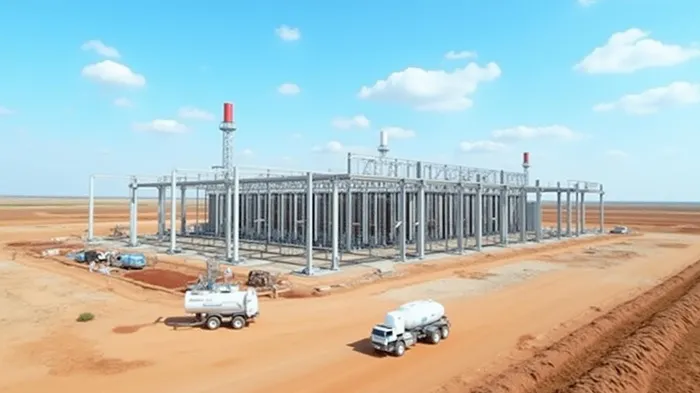
This project, a cornerstone of the Electric Reliability Council of Texas (ERCOT)'s modernization strategy, addresses a critical bottleneck: the loss of inertia and voltage support as traditional coal and gas plants retire. Andritz's two 175 MVAr synchronous condenser units, set for completion by mid-2027, are engineered to stabilize West Texas's grid by dynamically managing reactive power, voltage fluctuations, and short-circuit strength.
Why Synchronous Condensers Are Grid Stability's Unsung Heroes
Unlike conventional generators, synchronous condensers do not produce electricity but instead act as “energy shock absorbers.” They provide the inertia and voltage regulation once supplied by fossil fuel plants, ensuring the grid remains resilient against sudden demand spikes or renewable output dips. In Texas—a state where wind energy already supplies over 25% of annual electricity—this technology is a lifeline for avoiding blackouts as data centers, AI facilities, and industrial hubs continue to drive power demand.
A Market on the Rise: Synchronous Condensers and the $Trillion Grid Upgrade
The synchronous condenser market is projected to grow at a 4.6% CAGR through 2032, fueled by global grid modernization needs. Texas's project exemplifies this trend, but it is far from isolated. Similar installations in California and Utah underscore a broader shift: $400 billion in U.S. grid investment is expected by 2030, with stability solutions like Andritz's capturing a significant share.
Why Investors Should Act Now
- Proven Technology, Proven Returns: Andritz's 120-year track record and 5,000 installed units globally speak to reliability. Their partnership with GE Vernova—a leader in grid infrastructure—ensures execution excellence.
- Near-Term Catalyst: The 2027 completion date marks a critical milestone. As Texas's energy demands surge, this project's success will validate Andritz's role in future contracts, from the U.S. to emerging markets.
- Structural Tailwinds: State and federal policies mandating grid resilience, coupled with corporate ESG mandates, are driving demand for stable renewable infrastructure.
The Bottom Line: A Strategic Bet on the Grid of the Future
Investing in Andritz's Texas project is not just a bet on a single facility—it's an allocation to the backbone of the energy transition. With renewables now accounting for 40% of global power capacity additions, the need for grid stability solutions is existential. Andritz's expertise, paired with the sheer scale of Texas's growth, positions this project as a cornerstone investment for energy infrastructure portfolios.
The energy transition's next phase belongs to those who stabilize it. Act now—before the grid's most critical upgrades become its most profitable.
Disclaimer: Past performance is not indicative of future results. Investors should conduct their own research or consult a financial advisor before making investment decisions.







Comentarios
Aún no hay comentarios