
Analysis-7-Eleven Battle Shows Resilience of Japan Inc's Family Ties
Generado por agente de IAWesley Park
miércoles, 11 de diciembre de 2024, 6:17 pm ET2 min de lectura
CASK--
The attempted acquisition of 7-Eleven by Alimentation Couche-Tard has sparked a heated debate in Japan, challenging traditional corporate governance and family succession practices. Japan Inc., known for its resistance to foreign takeovers, is grappling with the implications of this bid, which could reshape the market for corporate control. This article delves into the cultural and historical factors that have shaped Japan Inc's resistance to foreign takeovers and explores how the 7-Eleven battle reflects the resilience of Japan's family-owned businesses.
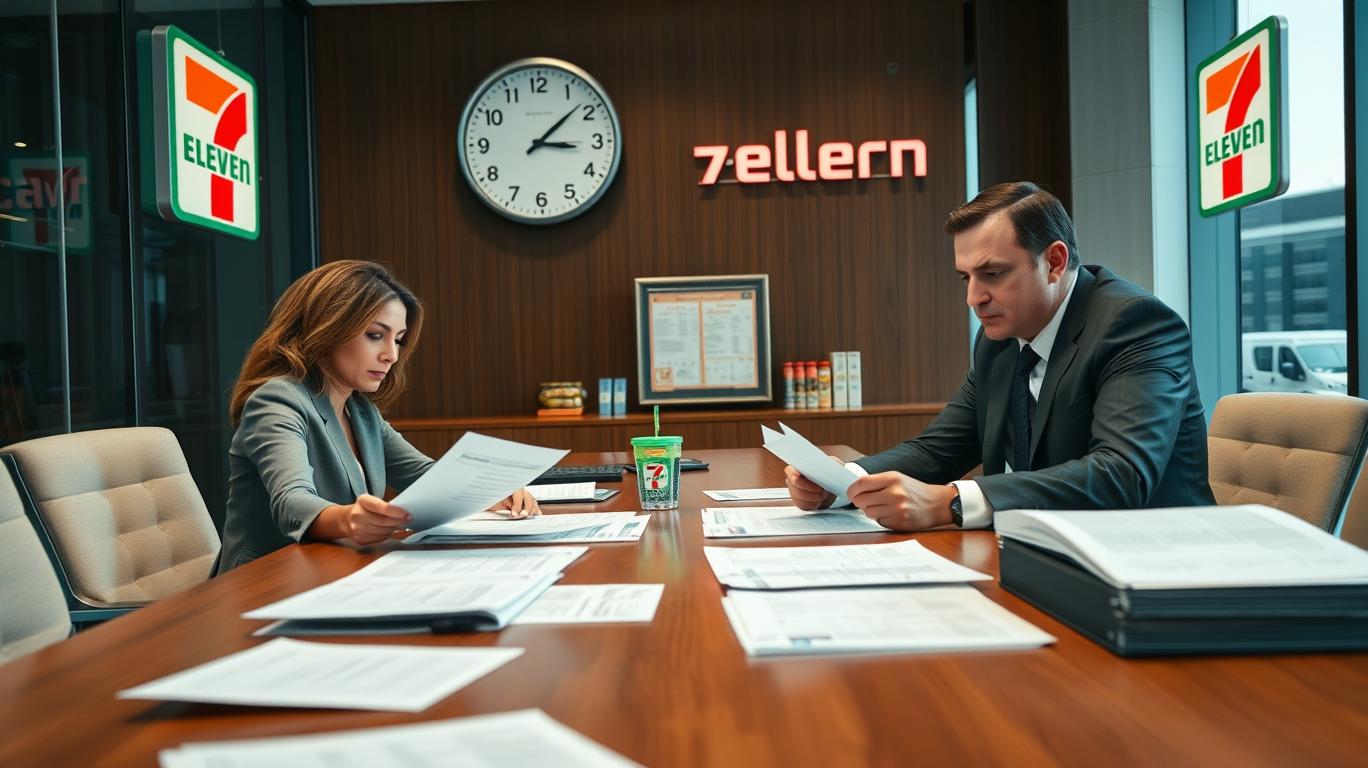
Japan's historical period of isolation, known as Sakoku, from 1603 to 1868, significantly influenced the development and longevity of family-owned businesses. This policy allowed Japanese society to maintain its cultural and economic practices with minimal outside interference, fostering a strong emphasis on family continuity and the preservation of values. This environment enabled businesses to focus on long-term planning and the gradual, deliberate transfer of leadership across generations, as seen in companies like Suzuki Motor Corporation and Toyota Motor Corporation.
Traditional Japanese values, such as 'do well, do good, do right' and 'beyond self,' have significantly contributed to the success of family-owned businesses in Japan. These values emphasize long-term thinking, community responsibility, and family continuity, which have allowed businesses like Suzuki and Toyota to thrive for generations. The Edo period's isolation fostered these values, enabling businesses to focus on long-term planning and family succession. This approach has proven resilient, with these businesses enduring economic shifts and global competition.
The attempted acquisition of 7-Eleven by Couche-Tard, a smaller but more profitable company, has exposed the vulnerabilities of Japan Inc's traditional ways of doing business. The bid, which was initially met with resistance, has since sparked a broader shift in market dynamics, with Japanese companies facing intensified scrutiny and heightened attention from domestic and international investors. This could signal the emergence of a market for corporate control, where managers who make money for a firm's shareholders replace those who don't.

The 7-Eleven battle is a testament to the resilience of Japan's family-owned businesses and the deep-rooted cultural heritage that has instilled a sense of resistance to foreign influence in Japan Inc. As the global economy evolves and foreign entities become more empowered to approach Japanese firms, the market for corporate control is likely to grow, reshaping the landscape of Japan's business world. However, the enduring values and practices of Japan's family-owned businesses will continue to play a crucial role in shaping the future of corporate Japan.
In conclusion, the attempted acquisition of 7-Eleven by Couche-Tard has challenged traditional Japanese corporate governance and family succession practices, highlighting the resilience of Japan's family-owned businesses. The cultural and historical factors that have shaped Japan Inc's resistance to foreign takeovers, combined with the enduring values of family continuity and long-term planning, have allowed these businesses to thrive for centuries. As the global economy evolves, the market for corporate control is likely to grow, but the enduring values and practices of Japan's family-owned businesses will continue to play a crucial role in shaping the future of corporate Japan.
TM--
The attempted acquisition of 7-Eleven by Alimentation Couche-Tard has sparked a heated debate in Japan, challenging traditional corporate governance and family succession practices. Japan Inc., known for its resistance to foreign takeovers, is grappling with the implications of this bid, which could reshape the market for corporate control. This article delves into the cultural and historical factors that have shaped Japan Inc's resistance to foreign takeovers and explores how the 7-Eleven battle reflects the resilience of Japan's family-owned businesses.
Japan's historical period of isolation, known as Sakoku, from 1603 to 1868, significantly influenced the development and longevity of family-owned businesses. This policy allowed Japanese society to maintain its cultural and economic practices with minimal outside interference, fostering a strong emphasis on family continuity and the preservation of values. This environment enabled businesses to focus on long-term planning and the gradual, deliberate transfer of leadership across generations, as seen in companies like Suzuki Motor Corporation and Toyota Motor Corporation.
Traditional Japanese values, such as 'do well, do good, do right' and 'beyond self,' have significantly contributed to the success of family-owned businesses in Japan. These values emphasize long-term thinking, community responsibility, and family continuity, which have allowed businesses like Suzuki and Toyota to thrive for generations. The Edo period's isolation fostered these values, enabling businesses to focus on long-term planning and family succession. This approach has proven resilient, with these businesses enduring economic shifts and global competition.
The attempted acquisition of 7-Eleven by Couche-Tard, a smaller but more profitable company, has exposed the vulnerabilities of Japan Inc's traditional ways of doing business. The bid, which was initially met with resistance, has since sparked a broader shift in market dynamics, with Japanese companies facing intensified scrutiny and heightened attention from domestic and international investors. This could signal the emergence of a market for corporate control, where managers who make money for a firm's shareholders replace those who don't.
The 7-Eleven battle is a testament to the resilience of Japan's family-owned businesses and the deep-rooted cultural heritage that has instilled a sense of resistance to foreign influence in Japan Inc. As the global economy evolves and foreign entities become more empowered to approach Japanese firms, the market for corporate control is likely to grow, reshaping the landscape of Japan's business world. However, the enduring values and practices of Japan's family-owned businesses will continue to play a crucial role in shaping the future of corporate Japan.
In conclusion, the attempted acquisition of 7-Eleven by Couche-Tard has challenged traditional Japanese corporate governance and family succession practices, highlighting the resilience of Japan's family-owned businesses. The cultural and historical factors that have shaped Japan Inc's resistance to foreign takeovers, combined with the enduring values of family continuity and long-term planning, have allowed these businesses to thrive for centuries. As the global economy evolves, the market for corporate control is likely to grow, but the enduring values and practices of Japan's family-owned businesses will continue to play a crucial role in shaping the future of corporate Japan.

Divulgación editorial y transparencia de la IA: Ainvest News utiliza tecnología avanzada de Modelos de Lenguaje Largo (LLM) para sintetizar y analizar datos de mercado en tiempo real. Para garantizar los más altos estándares de integridad, cada artículo se somete a un riguroso proceso de verificación con participación humana.
Mientras la IA asiste en el procesamiento de datos y la redacción inicial, un miembro editorial profesional de Ainvest revisa, verifica y aprueba de forma independiente todo el contenido para garantizar su precisión y cumplimiento con los estándares editoriales de Ainvest Fintech Inc. Esta supervisión humana está diseñada para mitigar las alucinaciones de la IA y garantizar el contexto financiero.
Advertencia sobre inversiones: Este contenido se proporciona únicamente con fines informativos y no constituye asesoramiento profesional de inversión, legal o financiero. Los mercados conllevan riesgos inherentes. Se recomienda a los usuarios que realicen una investigación independiente o consulten a un asesor financiero certificado antes de tomar cualquier decisión. Ainvest Fintech Inc. se exime de toda responsabilidad por las acciones tomadas con base en esta información. ¿Encontró un error? Reportar un problema


SOBRE NOSOTROS
Nuestra historiaAutores de noticiasBase de conocimientosPolítica de privacidadTérmino de usoDescargo de responsabilidad de corretaje de tercerosTérminos de uso de AIMEDivulgaciones de riesgos de AInvest AICarrerasCONTÁCTENOS
Email: support@ainvest.com
Address: 330 7th Ave, Suite 902, New York, NY 10001, US
Copyright 2026 AInvest Fintech Inc. All rights reserved.


Comentarios
Aún no hay comentarios