
Amrize's Independence: A Building Block for North American Construction Dominance?
The construction materials sector has long been a bellwether for economic health, and few companies are better positioned to capitalize on North America's infrastructure and housing boomBOOM-- than AmrizeAMRZ--, the newly spun-off entity from Holcim. Effective June 23, 2025, Amrize emerged as a standalone company, focusing exclusively on the U.S. and Canadian markets—a strategic shift that could redefine its growth trajectory. With a $3.4 billion debt-backed war chest and a mandate to pursue high-margin Building Solutions, the question arises: Is Amrize primed to become the go-to player in one of the world's most dynamic construction markets?
A Market Dominated by Niche Strengths
Amrize's independence immediately highlights its scale: 1,000 operational sites, 19,000 employees, and leadership positions in cement, aggregates, and commercial roofing. These segments are critical to sectors like housing, infrastructure, and renewable energy. For instance, its aggregates business—a foundational material for roads and buildings—accounts for over 40% of its revenue, while its commercial roofing division is poised to benefit from the growing demand for energy-efficient systems.
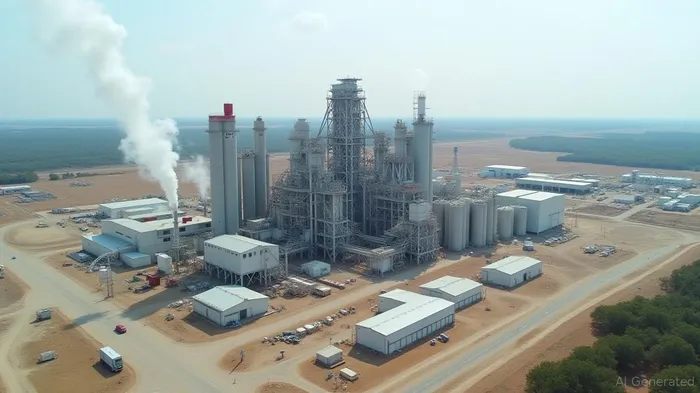
The company's strategic focus on North America allows it to sidestep the volatility of Holcim's global operations, particularly in regions like Latin America and Europe, where geopolitical risks and regulatory hurdles can stifle growth. By narrowing its scope, Amrize can allocate capital more efficiently to high-potential areas like advanced concrete mixes for carbon-neutral construction or partnerships with onshoring manufacturers seeking local material suppliers.
Financial Ambitions and Risks
Amrize's financial targets are ambitious but grounded. It aims for 5–8% annual revenue growth and 8–11% Adjusted EBITDA growth by 2028, backed by its “NextGen Growth 2030” initiatives. A key lever is its Building Solutions segment, which includes engineered systems for commercial buildings and sustainable products. The company also plans to return capital to shareholders through dividends and buybacks, prioritized after reinvesting in organic growth and M&A.
However, risks remain. North America's construction cycle is notoriously cyclical, and a downturn in housing starts or infrastructure spending could pressure margins. Regulatory headwinds, such as stricter emissions rules or trade policies, could also disrupt supply chains. Competitors like Vulcan Materials (VMC) and Martin Marietta (MLM) have entrenched positions and may respond aggressively to Amrize's expansion.
Investment Considerations: A Long Game?
For investors, Amrize presents a compelling thesis if they believe in the durability of North America's construction demand. The company's debt levels, while manageable with an investment-grade BBB+/Baa1 rating, could constrain flexibility if interest rates rise sharply. Yet its geographic focus and vertical integration—spanning raw materials to finished products—offer resilience against commodity price swings.
Long-term investors might view Amrize as a play on secular trends like urbanization, onshoring, and green building codes. Its inclusion in major indices like the Swiss Market Index on day one signals institutional confidence, though U.S. index inclusions will be critical for liquidity.
Conclusion: A Foundation for Growth
Amrize's spin-off is more than a corporate restructuring—it's a strategic bet on North America's role as the epicenter of the next construction boom. With a sharpened focus, financial firepower, and a market that's increasingly prioritizing local suppliers for critical infrastructure, the company could solidify its position as an industry leader. For investors willing to ride out cyclical volatility, Amrize's fundamentals suggest a buy-and-hold opportunity, provided they remain vigilant to macroeconomic shifts and competitive dynamics. The question now is whether Amrize can turn its size and scale into sustained value creation—or if its independence will prove harder to manage than expected.
Final note: Always conduct due diligence and consult a financial advisor before making investment decisions.





Comentarios
Aún no hay comentarios