
AMD Delays RDNA 4 GPUs: A Strategic Move or Missed Opportunity?
Generado por agente de IATheodore Quinn
martes, 21 de enero de 2025, 5:01 am ET1 min de lectura
AMD--
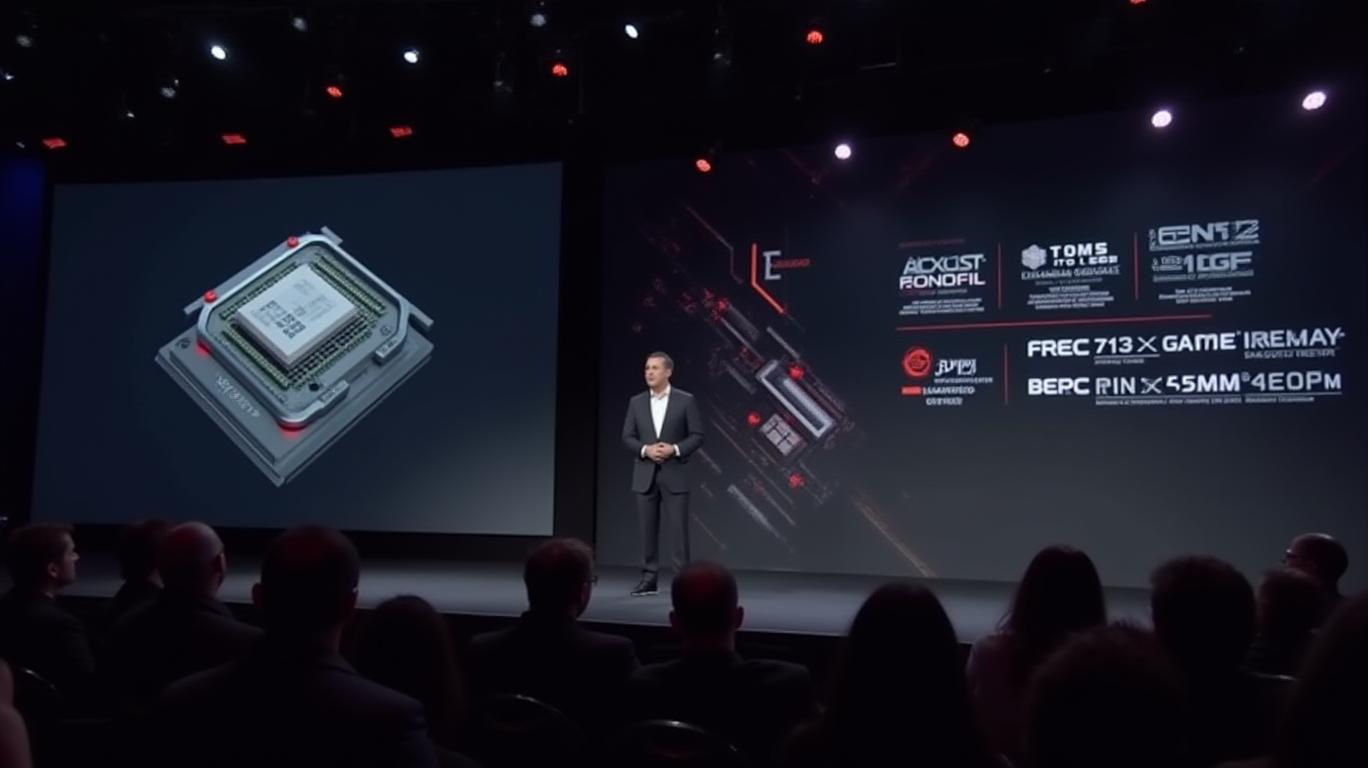
AMD's highly anticipated RDNA 4 GPUs, expected to be a game-changer in the graphics card market, have been delayed until March. The company initially planned to unveil the new GPUs at CES 2025 but decided to postpone the launch, leaving many wondering about the reasons behind this strategic move. Let's explore the potential reasons and implications of AMD's delay.
1. Strategic Timing: AMD might be waiting to see what NVIDIA brings to the table with its RTX 50 series release. By delaying the launch, AMD can react more effectively to NVIDIA's pricing, performance, and market reception before unveiling its own RDNA 4 GPUs. This strategic move allows AMD to assess NVIDIA's strategy and counter it more effectively (Source: Chiphell's forum user "nApoleon").
2. Mid-range Focus: AMD has shifted its focus to the mid-range GPU market, aiming to dominate with competitive pricing and performance. The delay gives AMD more time to refine its offerings and ensure they can compete with NVIDIA's RTX 5070 and RTX 5070 Ti, which are positioned in the mid-range segment (Source: AMD's CES 2025 keynote and various leaks).
3. Improved Ray Tracing and FSR 4 Upscaling: The delay allows AMD to further develop and optimize its RDNA 4 architecture, focusing on improved ray tracing performance and FSR 4 upscaling. This can help AMD's GPUs stand out in the market and attract more customers (Source: AMD's CES 2025 keynote and various leaks).
4. Potential Supply Chain Improvements: The delay could also give AMD time to improve its supply chain and ensure that its RDNA 4 GPUs are readily available when launched. This can help AMD meet the high demand expected for these GPUs (Source: Industry observers' comments).
However, the delay could also be seen as a missed opportunity for AMD. By not launching the RDNA 4 GPUs at CES 2025, AMD missed the chance to capitalize on the hype and excitement generated by the event. Additionally, the delay could give NVIDIA more time to refine its RTX 50 series GPUs and solidify its position in the market.
In conclusion, AMD's delay in launching the RDNA 4 GPUs is a strategic move that allows the company to better position its products in the competitive GPU market. By focusing on the mid-range segment, improving ray tracing performance, and optimizing its supply chain, AMD can potentially increase its market share and challenge NVIDIA's dominance. However, the delay could also be seen as a missed opportunity, as AMD missed the chance to capitalize on the hype generated by CES 2025 and gave NVIDIA more time to refine its offerings. Only time will tell if AMD's strategic move pays off or if the delay proves to be a costly mistake.
NVDA--
AMD's highly anticipated RDNA 4 GPUs, expected to be a game-changer in the graphics card market, have been delayed until March. The company initially planned to unveil the new GPUs at CES 2025 but decided to postpone the launch, leaving many wondering about the reasons behind this strategic move. Let's explore the potential reasons and implications of AMD's delay.
1. Strategic Timing: AMD might be waiting to see what NVIDIA brings to the table with its RTX 50 series release. By delaying the launch, AMD can react more effectively to NVIDIA's pricing, performance, and market reception before unveiling its own RDNA 4 GPUs. This strategic move allows AMD to assess NVIDIA's strategy and counter it more effectively (Source: Chiphell's forum user "nApoleon").
2. Mid-range Focus: AMD has shifted its focus to the mid-range GPU market, aiming to dominate with competitive pricing and performance. The delay gives AMD more time to refine its offerings and ensure they can compete with NVIDIA's RTX 5070 and RTX 5070 Ti, which are positioned in the mid-range segment (Source: AMD's CES 2025 keynote and various leaks).
3. Improved Ray Tracing and FSR 4 Upscaling: The delay allows AMD to further develop and optimize its RDNA 4 architecture, focusing on improved ray tracing performance and FSR 4 upscaling. This can help AMD's GPUs stand out in the market and attract more customers (Source: AMD's CES 2025 keynote and various leaks).
4. Potential Supply Chain Improvements: The delay could also give AMD time to improve its supply chain and ensure that its RDNA 4 GPUs are readily available when launched. This can help AMD meet the high demand expected for these GPUs (Source: Industry observers' comments).
However, the delay could also be seen as a missed opportunity for AMD. By not launching the RDNA 4 GPUs at CES 2025, AMD missed the chance to capitalize on the hype and excitement generated by the event. Additionally, the delay could give NVIDIA more time to refine its RTX 50 series GPUs and solidify its position in the market.
In conclusion, AMD's delay in launching the RDNA 4 GPUs is a strategic move that allows the company to better position its products in the competitive GPU market. By focusing on the mid-range segment, improving ray tracing performance, and optimizing its supply chain, AMD can potentially increase its market share and challenge NVIDIA's dominance. However, the delay could also be seen as a missed opportunity, as AMD missed the chance to capitalize on the hype generated by CES 2025 and gave NVIDIA more time to refine its offerings. Only time will tell if AMD's strategic move pays off or if the delay proves to be a costly mistake.

Divulgación editorial y transparencia de la IA: Ainvest News utiliza tecnología avanzada de Modelos de Lenguaje Largo (LLM) para sintetizar y analizar datos de mercado en tiempo real. Para garantizar los más altos estándares de integridad, cada artículo se somete a un riguroso proceso de verificación con participación humana.
Mientras la IA asiste en el procesamiento de datos y la redacción inicial, un miembro editorial profesional de Ainvest revisa, verifica y aprueba de forma independiente todo el contenido para garantizar su precisión y cumplimiento con los estándares editoriales de Ainvest Fintech Inc. Esta supervisión humana está diseñada para mitigar las alucinaciones de la IA y garantizar el contexto financiero.
Advertencia sobre inversiones: Este contenido se proporciona únicamente con fines informativos y no constituye asesoramiento profesional de inversión, legal o financiero. Los mercados conllevan riesgos inherentes. Se recomienda a los usuarios que realicen una investigación independiente o consulten a un asesor financiero certificado antes de tomar cualquier decisión. Ainvest Fintech Inc. se exime de toda responsabilidad por las acciones tomadas con base en esta información. ¿Encontró un error? Reportar un problema


SOBRE NOSOTROS
Nuestra historiaAutores de noticiasBase de conocimientosPolítica de privacidadTérmino de usoDescargo de responsabilidad de corretaje de tercerosTérminos de uso de AIMEDivulgaciones de riesgos de AInvest AICarrerasCONTÁCTENOS
Email: support@ainvest.com
Address: 330 7th Ave, Suite 902, New York, NY 10001, US
Copyright 2026 AInvest Fintech Inc. All rights reserved.


Comentarios
Aún no hay comentarios