
AMD Makes Big OpenAI Deal, Intel Unveils 2nm Server CPU from Fab 52
PorAinvest
martes, 14 de octubre de 2025, 11:40 am ET2 min de lectura
AMD--
The partnership is more than just a supply contract. It represents a strategic commitment that will see OpenAI integrate 6 GW of AMD Instinct GPUs into its expansive AI infrastructure. The initial deployment, scheduled for the second half of 2026, will involve 1 GW of AMD Instinct MI450 GPUs and associated rack-scale systems. This deal also includes an innovative equity arrangement where OpenAI is granted a performance-based warrant for up to 160 million shares of AMD common stock, exercisable at a nominal price. The vesting of these shares is tied to operational and financial milestones, aligning the long-term interests of both companies.
The market's reaction to this deal has been overwhelmingly positive. Following the announcement, AMD stock surged by 24% on October 7, 2025, and subsequently rose over 2% to $219.57 on October 13, contributing to a remarkable year-to-date gain of nearly 84% for AMD's stock. Mizuho's increased price target reflects the market's confidence in AMD's long-term AI strategy and its competitive prowess in the high-stakes AI accelerator market.
This partnership is set to reshape the competitive dynamics within the AI chip market. AMD's multi-gigawatt commitment from OpenAI provides substantial validation for its Instinct GPU roadmap and its open-source ROCm software stack. This deal not only guarantees substantial, long-term revenue streams but also elevates AMD's credibility as a viable alternative to the incumbent leader in AI accelerators, Nvidia (NASDAQ: NVDA).
Nvidia, which has long held a near-monopoly on data center GPU shipments, faces its most significant competitive challenge yet. OpenAI's decision to partner with AMD, and to gain deep access to its open-source ROCm stack, reflects a strategic imperative to reduce vendor lock-in and foster a more competitive hardware environment. This move could inspire other major AI players to explore alternative hardware solutions, fostering a healthier, more competitive ecosystem.
Intel (NASDAQ: INTC), another perennial competitor in the semiconductor space, has also been impacted by this deal. Intel's AI chip strategy, including its Gaudi accelerators, will need to accelerate innovation to compete effectively. In response, Intel has reportedly deepened its ties with Nvidia, announcing a strategic collaboration in September to develop AI infrastructure and personal computing products. This alliance aims to leverage Nvidia's AI software expertise and Intel's hardware footprint, suggesting a defensive yet strategic maneuver to retain and recapture market share in the rapidly evolving AI landscape.
The AMD-OpenAI partnership also has broader implications for the semiconductor supply chain. Suppliers of High Bandwidth Memory (HBM) and advanced chip packaging technologies, such as Samsung (KRX: 005930), are poised to benefit from the increased demand for advanced components. Furthermore, the partnership highlights a growing trend towards custom silicon, with OpenAI collaborating with Broadcom (NASDAQ: AVGO) on its own custom chips. This indicates that specialized or cost-effective solutions from smaller AI chip companies could also find new opportunities.
Cloud providers, including Microsoft (NASDAQ: MSFT) and Oracle (NYSE: ORCL), are also strategically impacted. The AMD-OpenAI deal encourages these providers to diversify their AI hardware offerings beyond Nvidia, providing more choices to their customers and reducing their own dependency on a single GPU vendor. The massive 6-gigawatt deployment commitment also implies multi-billion dollar investments in data center infrastructure, benefiting companies involved in construction, power, and cooling solutions.
Ultimately, the AMD-OpenAI partnership signals a significant shift in the AI chip market. It underscores the accelerating pace of innovation and strategic recalibration within the broader artificial intelligence and semiconductor industries. This event encapsulates several overarching trends that are defining the current technological era, including the insatiable demand for AI compute power, the shift towards diversification in the AI supply chain, and the growing importance of software-hardware co-design and open-source platforms.
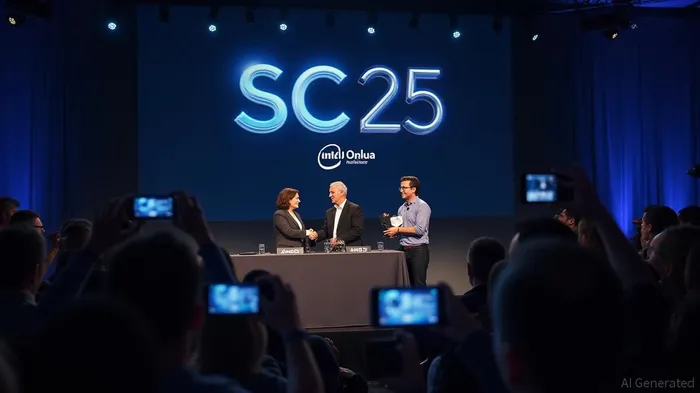
AMD announces a big deal with OpenAI, Intel unveils a new 2nm server CPU manufactured at Fab 52, and the SC25 conference is set to take place in St. Louis next month.
Advanced Micro Devices (AMD) has made a significant move in the AI chip market with its multi-year, multi-generation partnership with OpenAI. The deal, announced on October 6, 2025, involves OpenAI deploying 6 gigawatts (GW) of AMD Instinct GPUs for its next-generation AI infrastructure. Mizuho Securities has responded to this news by substantially increasing its price target for AMD to $275 from $205, reaffirming its "Outperform" rating, according to a Mizuho note.The partnership is more than just a supply contract. It represents a strategic commitment that will see OpenAI integrate 6 GW of AMD Instinct GPUs into its expansive AI infrastructure. The initial deployment, scheduled for the second half of 2026, will involve 1 GW of AMD Instinct MI450 GPUs and associated rack-scale systems. This deal also includes an innovative equity arrangement where OpenAI is granted a performance-based warrant for up to 160 million shares of AMD common stock, exercisable at a nominal price. The vesting of these shares is tied to operational and financial milestones, aligning the long-term interests of both companies.
The market's reaction to this deal has been overwhelmingly positive. Following the announcement, AMD stock surged by 24% on October 7, 2025, and subsequently rose over 2% to $219.57 on October 13, contributing to a remarkable year-to-date gain of nearly 84% for AMD's stock. Mizuho's increased price target reflects the market's confidence in AMD's long-term AI strategy and its competitive prowess in the high-stakes AI accelerator market.
This partnership is set to reshape the competitive dynamics within the AI chip market. AMD's multi-gigawatt commitment from OpenAI provides substantial validation for its Instinct GPU roadmap and its open-source ROCm software stack. This deal not only guarantees substantial, long-term revenue streams but also elevates AMD's credibility as a viable alternative to the incumbent leader in AI accelerators, Nvidia (NASDAQ: NVDA).
Nvidia, which has long held a near-monopoly on data center GPU shipments, faces its most significant competitive challenge yet. OpenAI's decision to partner with AMD, and to gain deep access to its open-source ROCm stack, reflects a strategic imperative to reduce vendor lock-in and foster a more competitive hardware environment. This move could inspire other major AI players to explore alternative hardware solutions, fostering a healthier, more competitive ecosystem.
Intel (NASDAQ: INTC), another perennial competitor in the semiconductor space, has also been impacted by this deal. Intel's AI chip strategy, including its Gaudi accelerators, will need to accelerate innovation to compete effectively. In response, Intel has reportedly deepened its ties with Nvidia, announcing a strategic collaboration in September to develop AI infrastructure and personal computing products. This alliance aims to leverage Nvidia's AI software expertise and Intel's hardware footprint, suggesting a defensive yet strategic maneuver to retain and recapture market share in the rapidly evolving AI landscape.
The AMD-OpenAI partnership also has broader implications for the semiconductor supply chain. Suppliers of High Bandwidth Memory (HBM) and advanced chip packaging technologies, such as Samsung (KRX: 005930), are poised to benefit from the increased demand for advanced components. Furthermore, the partnership highlights a growing trend towards custom silicon, with OpenAI collaborating with Broadcom (NASDAQ: AVGO) on its own custom chips. This indicates that specialized or cost-effective solutions from smaller AI chip companies could also find new opportunities.
Cloud providers, including Microsoft (NASDAQ: MSFT) and Oracle (NYSE: ORCL), are also strategically impacted. The AMD-OpenAI deal encourages these providers to diversify their AI hardware offerings beyond Nvidia, providing more choices to their customers and reducing their own dependency on a single GPU vendor. The massive 6-gigawatt deployment commitment also implies multi-billion dollar investments in data center infrastructure, benefiting companies involved in construction, power, and cooling solutions.
Ultimately, the AMD-OpenAI partnership signals a significant shift in the AI chip market. It underscores the accelerating pace of innovation and strategic recalibration within the broader artificial intelligence and semiconductor industries. This event encapsulates several overarching trends that are defining the current technological era, including the insatiable demand for AI compute power, the shift towards diversification in the AI supply chain, and the growing importance of software-hardware co-design and open-source platforms.


Divulgación editorial y transparencia de la IA: Ainvest News utiliza tecnología avanzada de Modelos de Lenguaje Largo (LLM) para sintetizar y analizar datos de mercado en tiempo real. Para garantizar los más altos estándares de integridad, cada artículo se somete a un riguroso proceso de verificación con participación humana.
Mientras la IA asiste en el procesamiento de datos y la redacción inicial, un miembro editorial profesional de Ainvest revisa, verifica y aprueba de forma independiente todo el contenido para garantizar su precisión y cumplimiento con los estándares editoriales de Ainvest Fintech Inc. Esta supervisión humana está diseñada para mitigar las alucinaciones de la IA y garantizar el contexto financiero.
Advertencia sobre inversiones: Este contenido se proporciona únicamente con fines informativos y no constituye asesoramiento profesional de inversión, legal o financiero. Los mercados conllevan riesgos inherentes. Se recomienda a los usuarios que realicen una investigación independiente o consulten a un asesor financiero certificado antes de tomar cualquier decisión. Ainvest Fintech Inc. se exime de toda responsabilidad por las acciones tomadas con base en esta información. ¿Encontró un error? Reportar un problema


SOBRE NOSOTROS
Nuestra historiaAutores de noticiasBase de conocimientosPolítica de privacidadTérmino de usoDescargo de responsabilidad de corretaje de tercerosTérminos de uso de AIMEDivulgaciones de riesgos de AInvest AICarrerasCONTÁCTENOS
Email: support@ainvest.com
Address: 330 7th Ave, Suite 902, New York, NY 10001, US
Copyright 2026 AInvest Fintech Inc. All rights reserved.


Comentarios
Aún no hay comentarios