
Amazon Turns Challenges Into Opportunities: Why I Am Buying
The road ahead for AmazonAMZN-- (AMZN) is littered with potholes: rising costs, regulatory scrutiny, and a crowded marketplace. Yet, these very challenges have become catalysts for innovation, positioning the e-commerce giant to capitalize on emerging trends while competitors scramble to keep pace.
The Labyrinth of Challenges
Amazon’s ecosystem faces headwinds that demand both agility and foresight. Rising compliance costs—from child-resistant packaging mandates to Climate Pledge requirements—add pressure to margins. Meanwhile, competitors like Temu and TikTok are eroding its dominance in fast fashion and niche markets. A reveals a dip from 5.8% to 4.3%, underscoring the financial toll of these pressures.
But Amazon’s response is not merely defensive. By reframing these obstacles as opportunities, it is laying groundwork for sustained growth.
AI: The Engine of Evolution
At the heart of Amazon’s strategy is its investment in artificial intelligence. The Nova AI models, exclusive to its Bedrock platform, and the Marketing Cloud (AMC) are transforming how the company interacts with customers and sellers. AMC’s ability to analyze five years of purchase history enables hyper-targeted campaigns, while Nova’s multimodal capabilities—processing text, images, and video—enhance everything from customer service to supply chain optimization.
This push into AI isn’t just about staying ahead; it’s about owning the future. A 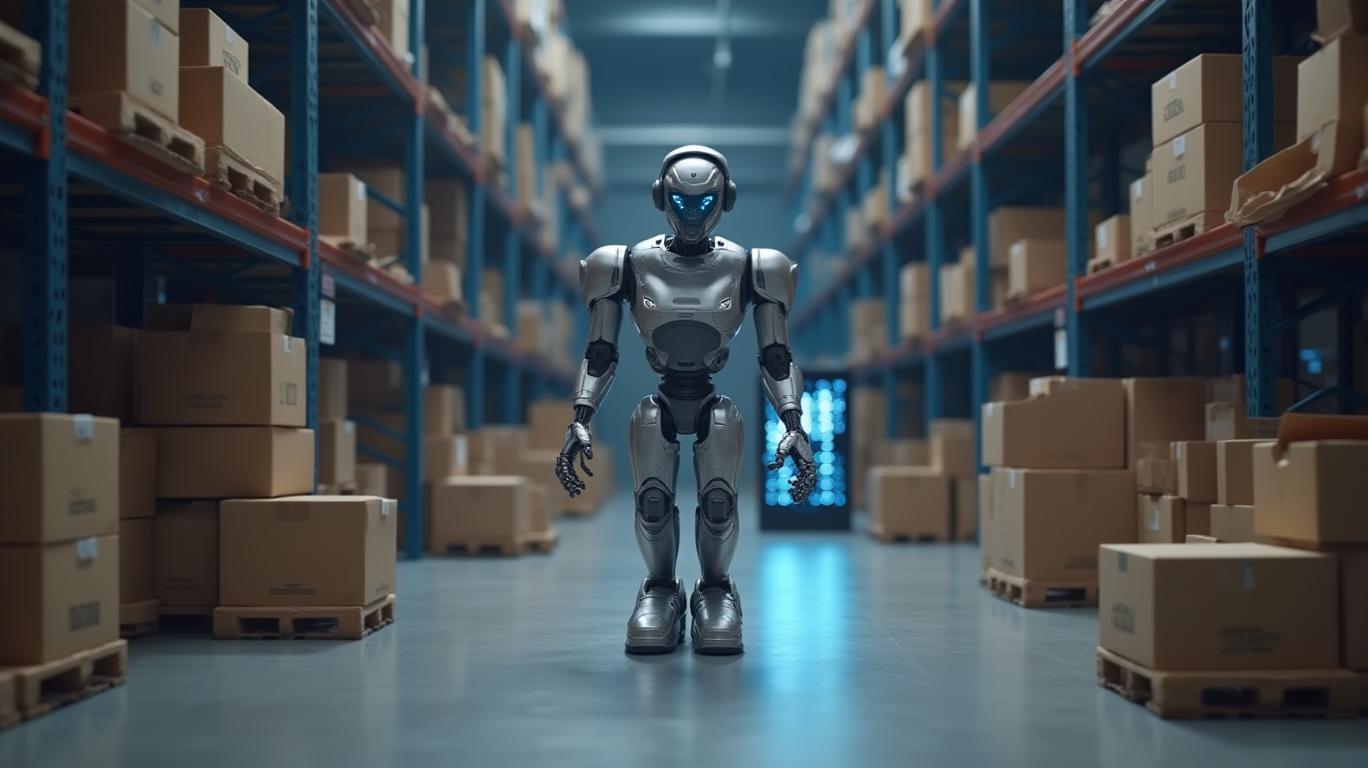 illustrates how automation and machine learning are streamlining operations. By reducing costs and boosting efficiency, Amazon can maintain its Prime advantage even as competitors like Walmart ramp up drone delivery trials.
Logistics: The Unbeatable Edge
Amazon’s logistics network remains its crown jewel. The MK30 drone and Vision-Assisted Package Retrieval (VAPR) technology are not just gimmicks but cornerstones of its “30-minute delivery” vision. A shows Prime’s edge in speed, a metric that drives customer loyalty.
Expanding Same-Day Delivery in Europe and partnering with supermarkets to leverage existing infrastructure—such as Aldi’s store networks—extends this advantage. In Germany, where Amazon’s Pan-European FBA logistics reduce shipping times by 40%, the Home and Kitchen category (projected to grow at 12.4% CAGR through 2027) is a prime beneficiary.
Global Seller Ecosystem: A Shield Against Fragmentation
As Temu and Alibaba’s Tmall Global poach sellers with aggressive pricing, Amazon is doubling down on its global seller programs. Regional Global Selling Centers and Supply Chain by Amazon simplify cross-border logistics, offering tools like localized training and automated documentation to ease compliance burdens. This strategy aims to retain sellers while tapping into emerging markets—critical as 40% of Amazon’s revenue now comes from outside the U.S.
The  highlights where these efforts are paying off. In Spain, for instance, FBA savings of up to 70% on shipping costs compared to third-party carriers have attracted SMBs, fueling growth in categories like athleisure and smart home devices.
Sustainability: A Brand-Building Imperative
Climate pledges aren’t just regulatory hurdles; they’re marketing gold. Amazon’s commitment to carbon-neutral shipping by 2040 aligns with consumer demand, as 68% of buyers prioritize eco-friendly brands. The Fashion & Apparel sector, which now accounts for 15% of Amazon’s GMV, is leveraging sustainable certifications to differentiate products. Brands like Allbirds, which use recycled materials, have seen 30% YoY growth on the platform.
The Bottom Line: Why Now Is the Time to Buy
Amazon’s stock has lagged behind peers in 2023, trading at a forward P/E of 34 compared to its five-year average of 42. But this dip creates an entry point. The company’s $200B+ in cash and equivalents provide a buffer for investments in AI, logistics, and sustainability.
A shows resilience during downturns, with a 15% rebound potential if growth sectors like Health & Beauty (12.1% CAGR) and Home & Kitchen deliver as projected.
Conclusion: Navigating the Tightrope
Amazon’s journey from e-commerce pioneer to tech titan is far from over. While challenges like rising compliance costs and geopolitical risks persist, its response—bolstering AI, logistics, and global seller ecosystems—positions it to dominate the next phase of e-commerce.
With Prime membership nearing 250 million globally and a 30% share of U.S. e-commerce, Amazon’s scale remains unmatched. By turning today’s obstacles into tomorrow’s opportunities, it is not just surviving—it’s setting the pace. For investors, this is a bet on a company that thrives where others falter.
Data sources: Amazon investor relations, Statista, and company filings.





Comentarios
Aún no hay comentarios