
Amazon's Quebec Warehouse Closures: A Blow to Workers and Unions
Generado por agente de IAWesley Park
miércoles, 22 de enero de 2025, 1:52 pm ET2 min de lectura
AMZN--
Amazon's recent decision to close all seven of its warehouses in Quebec, leading to the layoff of 1,700 permanent employees and 250 temporary workers, has sent shockwaves through the province's labor market and sparked accusations of an anti-union campaign. The closure, which is expected to take place over the next two months, comes amid strained labor relations with unionized employees at the multinational's warehouse in Laval, Que., a Montreal suburb. Amazon has opposed the workers' accreditation with the Confederation of National Trade Unions (CSN) and lost its challenge at the province's labor tribunal in October.
Caroline Senneville, president of the CSN, has accused Amazon of using the closures as an anti-union campaign, stating that the company is not respecting the rights of workers to form a union. She believes that Amazon is sending a "slap in the face" message to all Quebec workers by closing the warehouses in response to unionization efforts. The CSN has also alleged that many employers in Quebec are using anti-union maneuvers to try to weaken unions.
The closure of the warehouses is likely to have a significant impact on employee morale and retention, both in Quebec and across Canada. The layoffs will affect not only the employees who are directly losing their jobs but also those who remain employed by Amazon. The uncertainty and anxiety surrounding the closures and layoffs can lead to a decrease in productivity and an increase in turnover rates. Additionally, the perception that Amazon is anti-union and does not value its employees' rights may lead to a decline in employee satisfaction and engagement.
In the long term, the closures and layoffs may have a lasting impact on Amazon's reputation and ability to attract and retain talent. The company may face difficulties in recruiting new employees and may struggle to maintain its competitive edge in the labor market. Furthermore, the negative publicity surrounding the closures and layoffs may damage Amazon's brand image and lead to a loss of customer trust.
To mitigate these potential long-term effects, Amazon should take steps to address the concerns of its employees and demonstrate its commitment to fair labor practices. This may include engaging in meaningful dialogue with union representatives, providing fair compensation and benefits to laid-off employees, and implementing policies that promote a positive work environment and respect for employee rights. By taking these steps, Amazon can help to rebuild its relationship with its employees and maintain its reputation as a responsible and ethical employer.
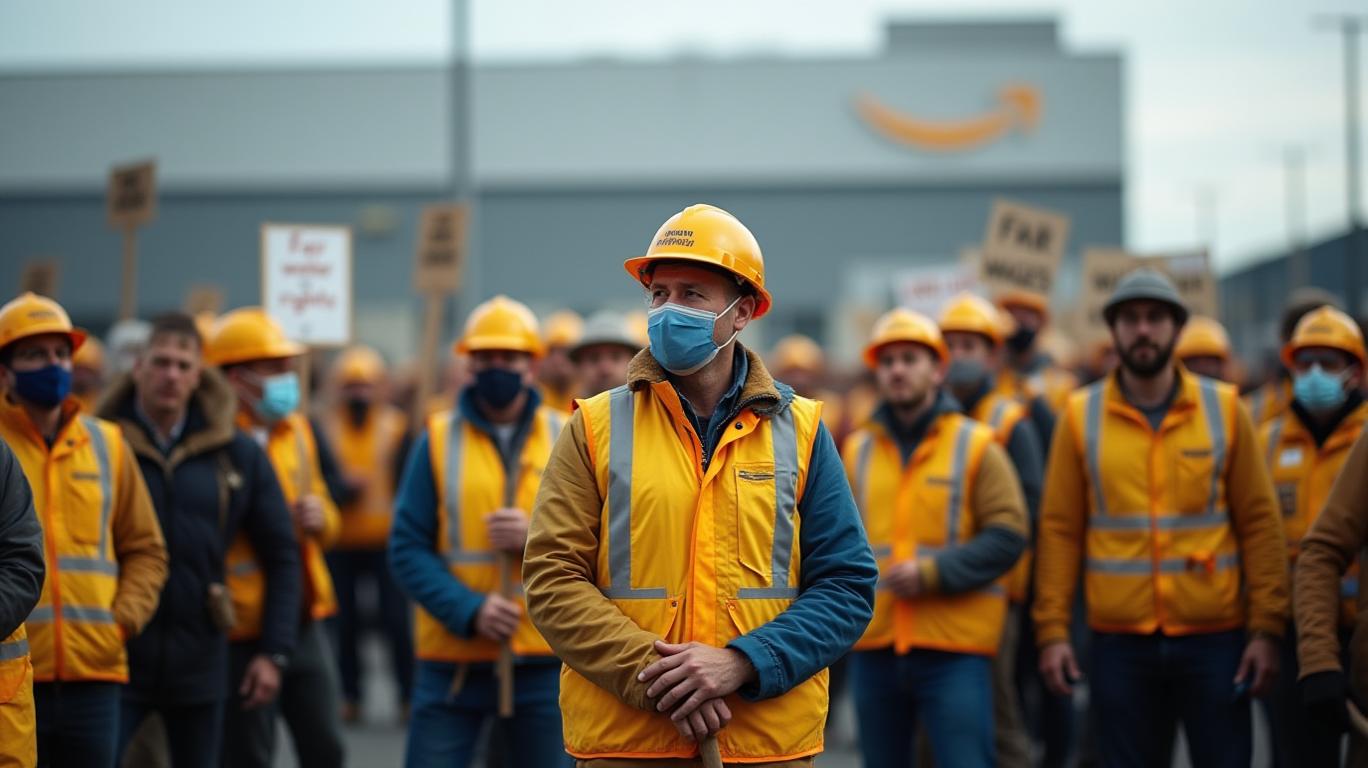
In conclusion, Amazon's decision to close its Quebec warehouses and lay off employees has significant implications for the province's labor market and the broader e-commerce industry. The closure comes amid strained labor relations and has sparked accusations of an anti-union campaign. The impact on employee morale, retention, and Amazon's reputation may be long-lasting, and the company should take steps to address these concerns and rebuild its relationship with its employees. Competitors in the e-commerce sector should also take note of the potential opportunities and challenges presented by Amazon's decision.
Amazon's recent decision to close all seven of its warehouses in Quebec, leading to the layoff of 1,700 permanent employees and 250 temporary workers, has sent shockwaves through the province's labor market and sparked accusations of an anti-union campaign. The closure, which is expected to take place over the next two months, comes amid strained labor relations with unionized employees at the multinational's warehouse in Laval, Que., a Montreal suburb. Amazon has opposed the workers' accreditation with the Confederation of National Trade Unions (CSN) and lost its challenge at the province's labor tribunal in October.
Caroline Senneville, president of the CSN, has accused Amazon of using the closures as an anti-union campaign, stating that the company is not respecting the rights of workers to form a union. She believes that Amazon is sending a "slap in the face" message to all Quebec workers by closing the warehouses in response to unionization efforts. The CSN has also alleged that many employers in Quebec are using anti-union maneuvers to try to weaken unions.
The closure of the warehouses is likely to have a significant impact on employee morale and retention, both in Quebec and across Canada. The layoffs will affect not only the employees who are directly losing their jobs but also those who remain employed by Amazon. The uncertainty and anxiety surrounding the closures and layoffs can lead to a decrease in productivity and an increase in turnover rates. Additionally, the perception that Amazon is anti-union and does not value its employees' rights may lead to a decline in employee satisfaction and engagement.
In the long term, the closures and layoffs may have a lasting impact on Amazon's reputation and ability to attract and retain talent. The company may face difficulties in recruiting new employees and may struggle to maintain its competitive edge in the labor market. Furthermore, the negative publicity surrounding the closures and layoffs may damage Amazon's brand image and lead to a loss of customer trust.
To mitigate these potential long-term effects, Amazon should take steps to address the concerns of its employees and demonstrate its commitment to fair labor practices. This may include engaging in meaningful dialogue with union representatives, providing fair compensation and benefits to laid-off employees, and implementing policies that promote a positive work environment and respect for employee rights. By taking these steps, Amazon can help to rebuild its relationship with its employees and maintain its reputation as a responsible and ethical employer.
In conclusion, Amazon's decision to close its Quebec warehouses and lay off employees has significant implications for the province's labor market and the broader e-commerce industry. The closure comes amid strained labor relations and has sparked accusations of an anti-union campaign. The impact on employee morale, retention, and Amazon's reputation may be long-lasting, and the company should take steps to address these concerns and rebuild its relationship with its employees. Competitors in the e-commerce sector should also take note of the potential opportunities and challenges presented by Amazon's decision.

Divulgación editorial y transparencia de la IA: Ainvest News utiliza tecnología avanzada de Modelos de Lenguaje Largo (LLM) para sintetizar y analizar datos de mercado en tiempo real. Para garantizar los más altos estándares de integridad, cada artículo se somete a un riguroso proceso de verificación con participación humana.
Mientras la IA asiste en el procesamiento de datos y la redacción inicial, un miembro editorial profesional de Ainvest revisa, verifica y aprueba de forma independiente todo el contenido para garantizar su precisión y cumplimiento con los estándares editoriales de Ainvest Fintech Inc. Esta supervisión humana está diseñada para mitigar las alucinaciones de la IA y garantizar el contexto financiero.
Advertencia sobre inversiones: Este contenido se proporciona únicamente con fines informativos y no constituye asesoramiento profesional de inversión, legal o financiero. Los mercados conllevan riesgos inherentes. Se recomienda a los usuarios que realicen una investigación independiente o consulten a un asesor financiero certificado antes de tomar cualquier decisión. Ainvest Fintech Inc. se exime de toda responsabilidad por las acciones tomadas con base en esta información. ¿Encontró un error? Reportar un problema




Comentarios
Aún no hay comentarios