
Amazon's Q1 Earnings Test: Navigating White House Tariffs and Retail Headwinds
Amazon’s first-quarter earnings report, set to be released this week, arrives under a cloud of political and economic tension. The company faces scrutiny over its handling of tariffs imposed by the Trump administration, which have sparked a high-profile dispute with the White House and contributed to a sharp stock decline in April. The outcome could reveal whether AmazonAMZN-- can mitigate the financial fallout of trade policies that are reshaping consumer prices and corporate strategies.
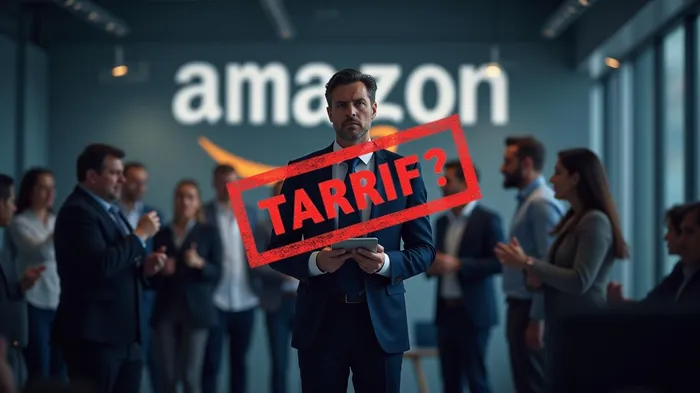
The Tariff Dispute: Politics Meets Pricing
The conflict erupted in early April when reports surfaced that Amazon had explored displaying U.S. tariff costs alongside product prices. The move, aimed at highlighting the 145% tariff on Chinese imports and a 10% global minimum tax, was framed by the White House as a “hostile and political act.” President Trump personally called founder Jeff Bezos to express his displeasure, while White House officials accused Amazon of leveraging tariffs to undermine the administration’s economic narrative.
Amazon swiftly denied the reports, clarifying that the idea had never been approved for its main site and was abandoned even for its low-cost Haul store. However, the political fallout was immediate: Amazon’s stock dropped sharply after White House officials amplified their criticism, with Treasury Secretary Scott Bessent warning that the company’s actions risked “undermining American manufacturing.”
Retail’s Tariff Trap: Amazon Isn’t Alone
The dispute underscores a broader industry challenge. Retail giants like Walmart, Target, and Home Depot have warned that Trump’s tariffs are inflating consumer costs and thinning margins. Port data from the Port of Los Angeles shows Chinese imports have stalled as companies delay orders to avoid the punitive tariffs. Analysts at UBS estimate tariff-driven demand destruction could slash Amazon’s revenue by 1% in 2025 and 3% in 2026—a trend that could accelerate if the administration’s trade stance hardens.
The pressure extends beyond pricing. Amazon’s Haul store, designed to compete with tariff-heavy rivals like Temu, faces scrutiny for its pricing strategies. Competitors have already begun advertising tariffs as a cost of doing business, a move that could force Amazon into a corner: either absorb the costs or risk backlash for transparency.
Public Sentiment and the Bezos-Trump Dynamic
The political theater masks deeper economic stakes. A Washington Post-ABC poll found 65% of Americans disapprove of Trump’s tariff policies, signaling voter fatigue with rising costs. Meanwhile, Bezos’s relationship with the administration—once bolstered by a $1 million inaugural donation and a pro-Melania documentary—has frayed. His net worth dropped $30 billion in 2025, partly due to stock declines tied to tariff impacts.
The White House’s “onshoring” push—aimed at boosting U.S. manufacturing—adds another layer of complexity. While Amazon has invested in domestic warehouses, the cost of reshaping supply chains could further squeeze margins.
Conclusion: Tariffs as a Triple-Edged Sword
Investors will scrutinize Q1 results for three key signals:
1. Margin Resilience: Can Amazon offset tariff costs through pricing or operational efficiency?
2. Consumer Behavior: Are shoppers fleeing premium e-commerce for tariff-priced alternatives like Haul or Temu?
3. Political Risk: How has the White House’s rhetoric impacted investor sentiment and future policy exposure?
The data is clear: UBS’s 3% revenue warning for 2026 implies a material threat to growth, while Amazon’s stock volatility during the April dispute highlights market sensitivity to trade policy. With public opinion turning against tariffs and competitors capitalizing on transparency, the earnings report will be a litmus test for Amazon’s ability to navigate a politically charged, economically turbulent landscape. The stakes are high—not just for Amazon, but for the entire retail sector.





Comentarios
Aún no hay comentarios