
Amazon's Prime Day Labor Strains: A Wake-Up Call for E-Commerce Logistics and Automation Investment
The 2025 Prime Day, Amazon's annual shopping juggernaut, was overshadowed by labor strikes, logistical bottlenecks, and worker safety concerns. These challenges highlight a critical inflection pointIPCX-- for the e-commerce giant: operational inefficiencies tied to its reliance on human labor are now a material risk to long-term profitability. Meanwhile, the race to automate is no longer optional—it's a strategic imperative to sustain growth in an era of rising costs and labor strife.
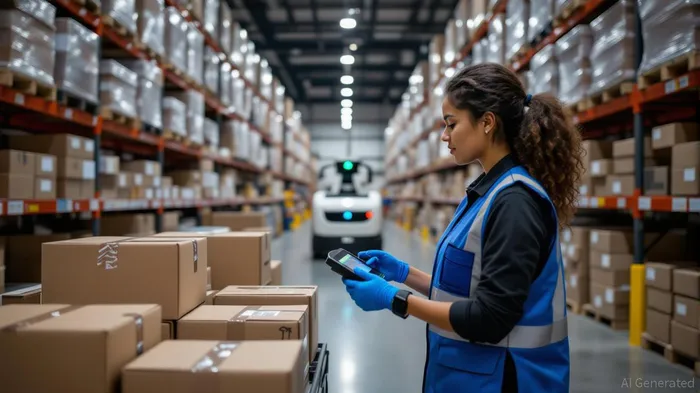
The Operational Crisis: Labor Strains and Logistics Failures
This year's Prime Day, expanded to four days for the first time, exacerbated existing vulnerabilities. European workers in Poland and Germany staged protests, citing “unrealistic AI-driven targets” and unsafe conditions, including broken cooling systems in sweltering warehouses. In the U.S., the Staten Island JFK8 facility saw strikes over heat-related illnesses and inadequate safety measures. These disruptions are not isolated:
- Worker Turnover and Morale: Amazon's annual turnover rate of 150% strains staffing, while unionization efforts (e.g., the AmazonAMZN-- Labor Union's merger with the Teamsters) intensify pressure for higher wages and safer conditions.
- Logistical Gridlock: FBA sellers faced delays due to warehouse congestion, with LTL shipping delays stretching up to three weeks. Third-party sellers resorted to palletized shipments and alternative carriers to avoid bottlenecks.
- Cost Pressures: New U.S. tariffs on Chinese imports (now totaling over 30% for many goods) forced price hikes, squeezing margins. Amazon's refusal to disclose tariff costs to consumers further complicated pricing strategies.
Why This Matters for Profitability
The operational strain translates directly into financial risks:
- Labor Costs: Strikes and turnover drive up hiring and training expenses. Amazon's $2 billion investment in safety since 2019 has reduced injury rates by 34%, but worker complaints persist.
- Supply Chain Delays: Logistics bottlenecks risk customer dissatisfaction and lost sales. During Prime Day, 31% of U.S. consumers reported reduced spending due to inflation, with 34% shopping less frequently.
- Competitor Gaps: Rivals like WalmartWMT-- and Target leveraged localized inventory and faster delivery to undercut Amazon. For example, Walmart's “Walmart Deals” event saw 10% higher customer engagement than Amazon's Prime Day.
Automation: The Path to Sustainability
The solution lies in accelerating automation, which can reduce dependency on human labor, improve safety, and streamline logistics. Amazon has already invested heavily in robotics and AI, but its progress lags behind its ambitions:
- Current Automation Efforts: Amazon's warehouses now use over 500,000 robots, but they handle only ~20% of fulfillment tasks. The MIT study cited by Amazon claims robotics boost productivity and safety, but workers argue automation exacerbates job insecurity.
- Future Imperatives: To mitigate labor risks, Amazon must expand automation into critical areas like last-mile delivery (e.g., drone testing) and inventory management. Competitors like FedExFDX-- and UPSUPS-- are already deploying autonomous delivery vehicles.
Investment Implications
For investors, Amazon's success hinges on its ability to balance automation with worker retention and regulatory compliance. Key takeaways:
- Risk Factors:
- Labor Strife: Unions and global regulators are escalating scrutiny. A prolonged strike or OSHA fine could trigger a stock selloff (e.g., shares fell 5% after the 2024 Staten Island strike).
Supply Chain Volatility: Tariffs and geopolitical risks require diversified sourcing strategies, which may strain cash flows.
Growth Opportunities:
- Automation Payoffs: Scaling robotics and AI could cut labor costs by 15–20% over five years, improving margins.
- Competitor Differentiation: Companies like ShopifySHOP-- and MercadoLibreMELI-- are outpacing Amazon in niche markets by offering better logistics and pricing. Amazon must innovate or cede market share.
Final Take: Invest with Caution, but Stay Aligned with the Automation Trend
Amazon remains a dominant player, but its reliance on human labor is a ticking time bomb. Investors should monitor three key metrics:
- Automation Adoption Rate: How quickly robots replace repetitive tasks.
- Worker Retention Metrics: Turnover rates and unionization progress.
- Margin Expansion: Whether cost savings from automation offset rising labor and tariff costs.
For now, Amazon's scale and Prime ecosystem still justify a hold rating, but investors should prioritize companies like Walmart (WMT) or XPO Logistics (XPO) that are ahead in automation and supply chain resilience. The era of “Prime Day every day” demands a robotic revolution—Amazon must lead it or risk obsolescence.





Comentarios
Aún no hay comentarios