
Alussa Energy Acquisition Corp. II: A Strategic SPAC Play in the Energy Sector
Capital Structure: A Robust Foundation
Alussa Energy Acquisition Corp. II completed its IPO on November 14, 2025, selling 28.75 million units at $10 per unit, raising gross proceeds of $287.5 million, including a fully exercised over-allotment of 3.75 million units. Each unit comprises one Class A ordinary share and one-third of a redeemable warrant, exercisable at $11.50 per share. Additionally, the company secured $2.5 million through a private placement of 2.5 million warrants at $1.00 each. These proceeds, held in trust, provide a solid liquidity base for a future business combination.
The structure reflects a classic SPAC model: dilution is minimized through the private placement, and the warrants offer investors upside potential if the post-merger entity performs well. However, Alussa has yet to announce a target, leaving its debt structure and leverage ratios undefined. This opacity is typical for pre-merger SPACs but underscores the need for due diligence once a business combination is finalized.
Market Positioning: Targeting a High-Growth Sector
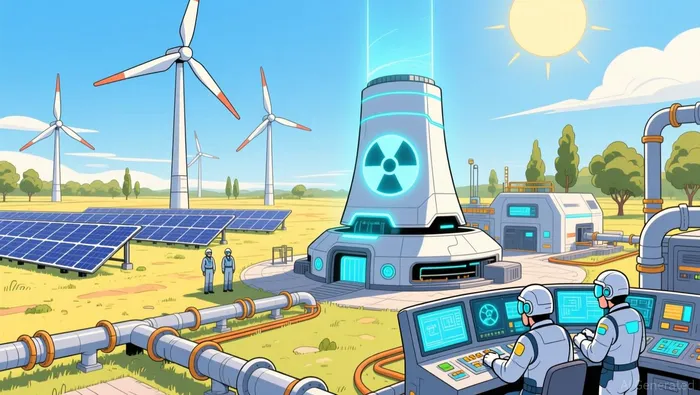
Alussa's focus on energy and power infrastructure aligns with a sector experiencing significant momentum. According to a report by the Economic Times, Andhra Pradesh alone secured Rs 5.2 lakh crore in energy-related investments in late 2025, spanning renewable energy, green hydrogen, and biofuels. These commitments highlight a global shift toward decarbonization and energy security, creating fertile ground for SPACs targeting innovative energy ventures.
While Alussa has not yet disclosed a specific acquisition target, its emphasis on energy infrastructure positions it to capitalize on trends such as grid modernization, energy storage, and hydrogen production. The company's ability to identify a high-potential business within this framework will be critical to its success.
Sectoral Growth: Energy SPACs in a Shifting Landscape
The energy sector's performance in Q3 2025 was mixed, with crude oil prices declining 14% year-over-year while natural gas prices surged 44% according to Nasdaq analysis. Despite these headwinds, nuclear energy emerged as a standout growth area. JPMorgan and Morgan Stanley have projected a 46% increase in nuclear value chain investments by 2050, with potential investments reaching $2.2 trillion. This momentum, driven by initiatives like the U.S. Department of Energy's fuel line pilot program, suggests that SPACs targeting nuclear energy or related technologies could benefit from long-term tailwinds.
For Alussa, the challenge lies in timing a merger to align with these trends. While the broader energy sector faces volatility, niche areas like nuclear energy and green hydrogen present opportunities for SPACs with strong sector expertise.
Conclusion: Balancing Opportunity and Risk
Alussa Energy Acquisition Corp. II's capital structure and sector focus position it as a strategic SPAC play in the energy sector. The company's $287.5 million IPO provides ample flexibility, while the energy sector's growth in renewable and nuclear technologies offers a compelling backdrop. However, the absence of a disclosed merger target and the sector's inherent volatility necessitate caution. Investors should monitor Alussa's due diligence process and the broader energy market for signals of its potential to deliver value.
As the energy transition accelerates, SPACs like Alussa will need to navigate both macroeconomic challenges and technological innovation to succeed. For those willing to tolerate the risks, the rewards could be substantial.







Comentarios
Aún no hay comentarios