
Aluminum Market Experiences Turmoil Amid Tariffs and Supply Chain Disruption
PorAinvest
viernes, 29 de agosto de 2025, 6:26 am ET2 min de lectura
RIO--
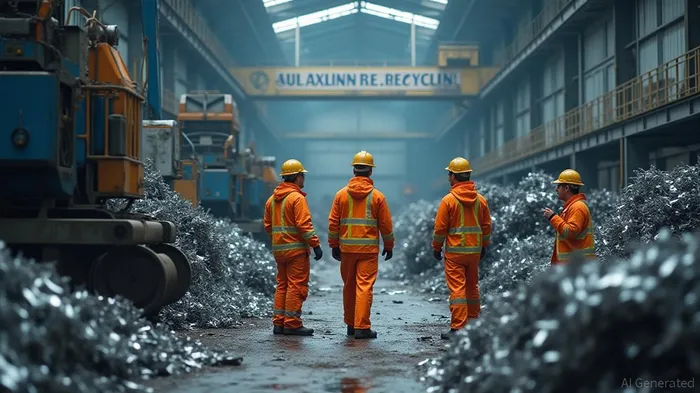
The EU's aluminum recycling plants, many of which have invested heavily in new furnaces to meet the demand for clean energy, are scaling back operations due to the scrap metal shortage. This imbalance, where finished aluminum exports face a 50% tariff while scrap metal shipments are exempt, is causing significant disruption. Paul Voss, head of European Aluminium, has warned that plants are shutting down capacity, and for recyclers, this is a matter of survival rather than shrinking profit margins [1].
Meanwhile, in the United States, aluminum prices have surged 81% since the tariffs took effect in June, reaching near $4,200 a ton compared to global benchmarks of around $2,600 a ton. This surge has forced even major producers like Rio Tinto to adapt. Rio Tinto, one of the world's largest producers, typically exports aluminum from its Quebec smelters to the U.S. However, the 50% tariff has made these shipments unprofitable, prompting the company to buy aluminum on the U.S. spot market and resell it to American customers [1].
The U.S. aluminum market, however, is struggling. With only four smelters remaining in operation, the market faces significant supply chain fragility. The sharp rise in commodity prices, coupled with a fragile supply chain, has sparked concerns about the potential for higher prices for canned goods, posing a risk to the food supply [1].
For analysts, the risks extend beyond price volatility. Ewa Manthey, a commodity strategist at ING, noted that the tariffs are already reshaping global aluminum flows, particularly affecting producers in Canada [1]. Despite the tariffs, the U.S. aluminum industry remains constrained, with domestic capacity insufficient to meet demand. New plants face high energy costs and long lead times, further complicating the situation [1].
The EU is facing a critical challenge in maintaining its competitiveness in a sector vital for electric vehicles, wind turbines, and other low-carbon technologies. Without relief, Europe risks losing its long-term competitive edge in these areas. The bloc is considering imposing a levy on scrap exports, but officials warn that action may be necessary by September [1].
The situation highlights the complex and far-reaching impacts of President Trump’s tariff policies. The aluminum industry, both in Europe and the United States, is grappling with significant disruptions that could have broader economic and environmental implications.
References:
[1] https://www.benzinga.com/markets/commodities/25/08/47407840/tariff-impact-exposes-aluminum-market-fragility
The EU is preparing emergency measures to protect its 40 billion euros aluminum industry, which employs 250,000 people directly and supports an additional 1 million jobs. The EU's aluminum recycling plants are scaling back operations due to a shortage of scrap metal, which is being diverted to the US to avoid a 50% tariff on finished aluminum exports. US prices have surged 81% since the tariffs took effect in June, and the US aluminum market is struggling with only four smelters remaining in operation.
The European Union is preparing emergency measures to safeguard its 40 billion euros aluminum industry, which directly employs approximately 250,000 people and supports an additional 1 million jobs. The crisis stems from a shortage of scrap metal, which is being diverted to the United States to avoid a 50% tariff on finished aluminum exports [1].The EU's aluminum recycling plants, many of which have invested heavily in new furnaces to meet the demand for clean energy, are scaling back operations due to the scrap metal shortage. This imbalance, where finished aluminum exports face a 50% tariff while scrap metal shipments are exempt, is causing significant disruption. Paul Voss, head of European Aluminium, has warned that plants are shutting down capacity, and for recyclers, this is a matter of survival rather than shrinking profit margins [1].
Meanwhile, in the United States, aluminum prices have surged 81% since the tariffs took effect in June, reaching near $4,200 a ton compared to global benchmarks of around $2,600 a ton. This surge has forced even major producers like Rio Tinto to adapt. Rio Tinto, one of the world's largest producers, typically exports aluminum from its Quebec smelters to the U.S. However, the 50% tariff has made these shipments unprofitable, prompting the company to buy aluminum on the U.S. spot market and resell it to American customers [1].
The U.S. aluminum market, however, is struggling. With only four smelters remaining in operation, the market faces significant supply chain fragility. The sharp rise in commodity prices, coupled with a fragile supply chain, has sparked concerns about the potential for higher prices for canned goods, posing a risk to the food supply [1].
For analysts, the risks extend beyond price volatility. Ewa Manthey, a commodity strategist at ING, noted that the tariffs are already reshaping global aluminum flows, particularly affecting producers in Canada [1]. Despite the tariffs, the U.S. aluminum industry remains constrained, with domestic capacity insufficient to meet demand. New plants face high energy costs and long lead times, further complicating the situation [1].
The EU is facing a critical challenge in maintaining its competitiveness in a sector vital for electric vehicles, wind turbines, and other low-carbon technologies. Without relief, Europe risks losing its long-term competitive edge in these areas. The bloc is considering imposing a levy on scrap exports, but officials warn that action may be necessary by September [1].
The situation highlights the complex and far-reaching impacts of President Trump’s tariff policies. The aluminum industry, both in Europe and the United States, is grappling with significant disruptions that could have broader economic and environmental implications.
References:
[1] https://www.benzinga.com/markets/commodities/25/08/47407840/tariff-impact-exposes-aluminum-market-fragility
Divulgación editorial y transparencia de la IA: Ainvest News utiliza tecnología avanzada de Modelos de Lenguaje Largo (LLM) para sintetizar y analizar datos de mercado en tiempo real. Para garantizar los más altos estándares de integridad, cada artículo se somete a un riguroso proceso de verificación con participación humana.
Mientras la IA asiste en el procesamiento de datos y la redacción inicial, un miembro editorial profesional de Ainvest revisa, verifica y aprueba de forma independiente todo el contenido para garantizar su precisión y cumplimiento con los estándares editoriales de Ainvest Fintech Inc. Esta supervisión humana está diseñada para mitigar las alucinaciones de la IA y garantizar el contexto financiero.
Advertencia sobre inversiones: Este contenido se proporciona únicamente con fines informativos y no constituye asesoramiento profesional de inversión, legal o financiero. Los mercados conllevan riesgos inherentes. Se recomienda a los usuarios que realicen una investigación independiente o consulten a un asesor financiero certificado antes de tomar cualquier decisión. Ainvest Fintech Inc. se exime de toda responsabilidad por las acciones tomadas con base en esta información. ¿Encontró un error? Reportar un problema




Comentarios
Aún no hay comentarios