
Alto Ingredients Insiders' $6.45M Gamble: Is a Turnaround Brewing?
In late 2024, insiders at Alto IngredientsALTO--, Inc. (NASDAQ: ALTO) collectively invested $6.45 million in the company’s stock, purchasing shares at an average price of $1.66. The largest stake—$5.5 million—was snapped up by director Bradley Radoff at $1.86 per share. Yet, as of April 2025, the stock trades at just $0.90, erasing nearly half the value of these purchases. While skeptics might dismiss this as a failed bet, the insiders’ timing and strategic moves hint at a deeper narrative. Could this be the start of a long-overdue turnaround for this renewable fuels player?
The Insider Play: A Vote of Confidence or a Costly Mistake?
The purchases were concentrated during a period of stark financial turbulence. In Q4 2024, Alto reported a net loss of $42 million, compared to $19.3 million in 2023, while adjusted EBITDA plummeted to -$7.7 million from $3.5 million. Despite these red flags, insiders doubled down, likely betting on two key catalysts: cost-cutting measures and the acquisition of a CO₂ processor in January 2025.
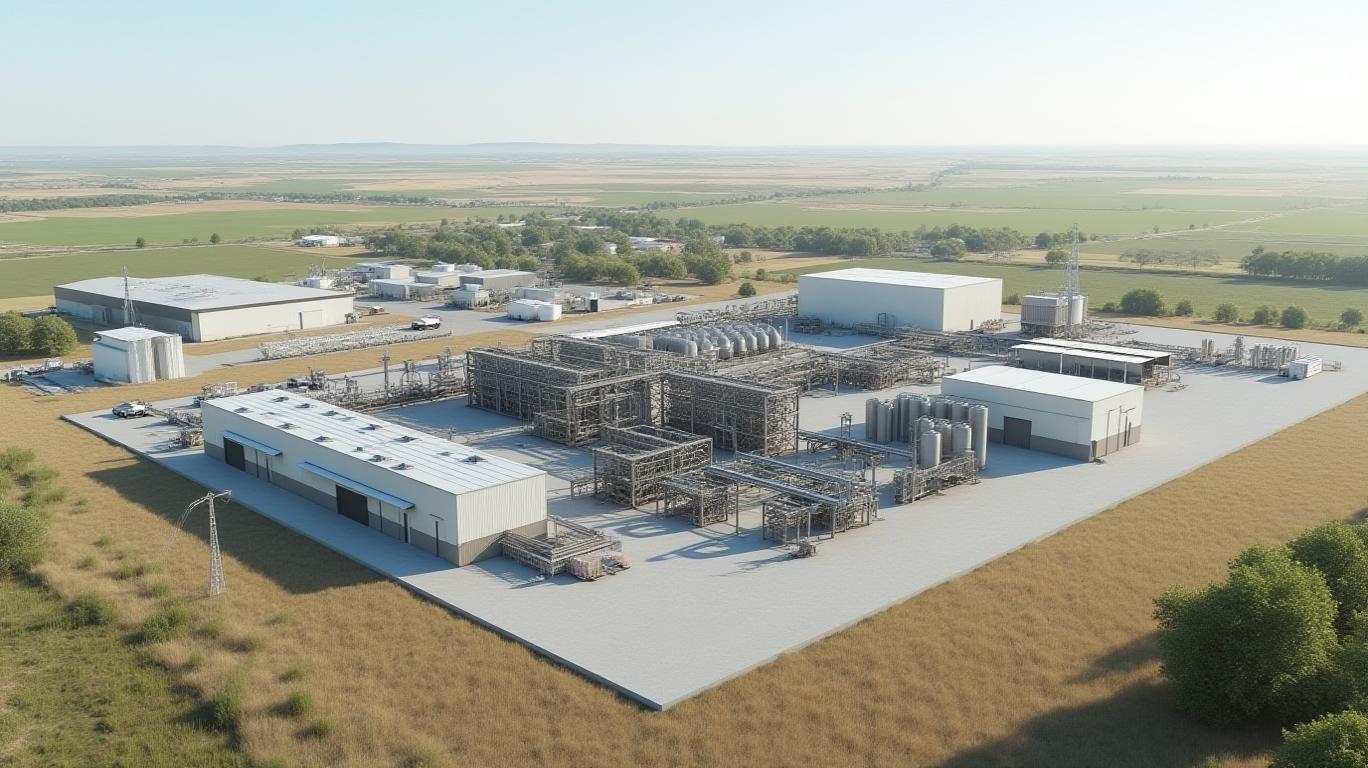
The CO₂ plant—acquired adjacent to its Columbia facility—is a linchpin in Alto’s strategy. This “immediately accretive” move aims to capture value from beverage-grade CO₂ markets, a niche with steady demand from food and beverage companies. The payback period of <2 years suggests it could stabilize cash flows.
The Numbers: Performance Under Pressure
The stock’s post-purchase decline reflects investor skepticism. Since November 2024, ALTO has dropped 34.78%, with an annualized loss of -78.85% (as of April 2025). Yet, insiders remain undeterred. Radoff’s group, which now holds 6.4% of shares, even entered a standstill agreement in March 2025, pledging to support the board in exchange for governance reforms.
The Case for a Turnaround
Alto’s challenges are real, but its moves signal a pivot toward sustainability and operational efficiency:
1. Cost Discipline: A 16% workforce reduction and “cold idling” of its Magic Valley plant have slashed annual costs by $8 million.
2. Asset Optimization: The CO₂ plant expands revenue streams, while the Pekin Campus—its flagship—seeks to monetize underutilized carbon byproducts.
3. Market Expansion: Entry into European ethanol markets could offset U.S. sales declines, though this hinges on regulatory approvals.
Risks to the Turnaround Narrative
- Commodity Volatility: Corn costs at $4.72/bushel (down from $6.58 in 2023) are a reprieve, but natural gas prices and ethanol demand remain unpredictable.
- Debt Burden: With $35.5 million in cash and $88.1 million in borrowing capacity, liquidity is manageable, but debt service could strain margins.
- Execution Risks: The CO₂ plant’s success depends on securing long-term contracts—a challenge in a fragmented market.
Conclusion: A High-Risk, High-Reward Gamble
The insiders’ $6.45 million bet is currently underwater, but their strategic focus on cost cuts and accretive acquisitions offers a path to recovery. If the CO₂ processor delivers as promised and operational efficiencies materialize, ALTO could stabilize its cash flow and reverse its 52.3% one-year stock decline. However, investors should weigh the risks:
- Bear Case: Continued margin pressure, regulatory hurdles, or a drop in CO₂ demand could push shares below $0.70.
- Bull Case: A successful pivot to CO₂ markets and European expansion could drive a rebound to $1.50+ within 18 months.
The jury’s still out, but the insiders’ persistence—and their willingness to tie their reputations to ALTO’s future—suggest they see something others don’t. For now, it’s a wait-and-see game, but the ingredients for a turnaround are brewing.
In the end, this isn’t just about a stock price. It’s about whether Alto can reinvent itself from a struggling ethanol producer into a diversified, low-carbon industrial player. The next 12 months will tell.





Comentarios
Aún no hay comentarios