
Altice's TV Blackout Ends--But Is Cable on Life Support?
Generado por agente de IAWesley Park
lunes, 20 de enero de 2025, 11:27 am ET1 min de lectura
ATUS--
The recent blackout of Nexstar Media Group's stations on Altice USA's Optimum systems has finally come to an end, but the resolution raises questions about the future of cable television in a streaming-dominated landscape. As cord-cutting continues to impact the industry, cable providers like Altice must adapt their business models to remain competitive.
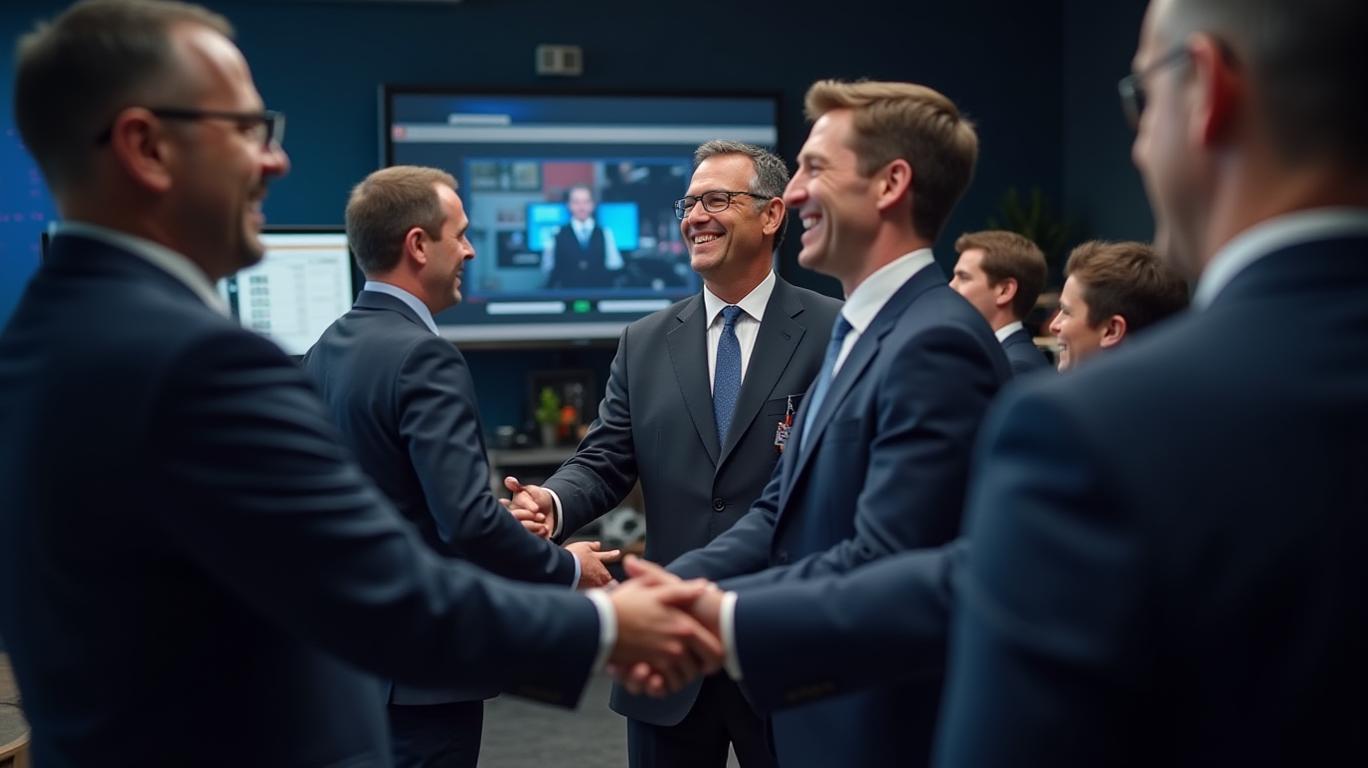
The blackout, which affected millions of viewers in 42 markets, was the result of a carriage dispute between Altice and Nexstar. Altice, facing financial challenges due to its significant debt burden, was unwilling to meet Nexstar's demands for higher carriage fees. The dispute highlighted the growing tension between cable providers and content providers, as both sides struggle to maintain profitability in an evolving media landscape.
As the blackout dragged on, both Altice and Nexstar engaged in a public relations battle, blaming each other for the disruption in service. Altice accused Nexstar of using "anti-consumer negotiation tactics," while Nexstar claimed that Altice was making "unreasonable and unprecedented demands." The dispute ultimately ended with a new carriage agreement, but the terms of the deal have not been disclosed.
The resolution of the Altice TV blackout is a temporary fix for both parties, but it does not address the underlying issues facing the cable industry. As cord-cutting continues to rise, cable providers are under increasing pressure to reduce costs and maintain profitability. This has led to a trend of cable operators pushing regional sports networks (RSNs) out of their bundles, as seen in Altice's decision to drop MSG Networks.

The decline of the pay TV industry and the rise of streaming services have created a challenging environment for cable providers. To remain competitive, cable operators must adapt their business models to cater to the evolving preferences of consumers. This may involve offering alternative content packages, investing in streaming services, negotiating fair carriage fees, improving customer experience, and diversifying revenue streams.
In conclusion, the end of the Altice TV blackout is a welcome relief for millions of viewers, but it does not address the broader challenges facing the cable industry. As cord-cutting continues to impact the sector, cable providers must adapt their business models to remain relevant in a streaming-dominated landscape. By embracing innovation and focusing on consumer preferences, cable operators can maintain their competitiveness and ensure the long-term viability of the cable industry.
MSGS--
NXST--
The recent blackout of Nexstar Media Group's stations on Altice USA's Optimum systems has finally come to an end, but the resolution raises questions about the future of cable television in a streaming-dominated landscape. As cord-cutting continues to impact the industry, cable providers like Altice must adapt their business models to remain competitive.
The blackout, which affected millions of viewers in 42 markets, was the result of a carriage dispute between Altice and Nexstar. Altice, facing financial challenges due to its significant debt burden, was unwilling to meet Nexstar's demands for higher carriage fees. The dispute highlighted the growing tension between cable providers and content providers, as both sides struggle to maintain profitability in an evolving media landscape.
As the blackout dragged on, both Altice and Nexstar engaged in a public relations battle, blaming each other for the disruption in service. Altice accused Nexstar of using "anti-consumer negotiation tactics," while Nexstar claimed that Altice was making "unreasonable and unprecedented demands." The dispute ultimately ended with a new carriage agreement, but the terms of the deal have not been disclosed.
The resolution of the Altice TV blackout is a temporary fix for both parties, but it does not address the underlying issues facing the cable industry. As cord-cutting continues to rise, cable providers are under increasing pressure to reduce costs and maintain profitability. This has led to a trend of cable operators pushing regional sports networks (RSNs) out of their bundles, as seen in Altice's decision to drop MSG Networks.
The decline of the pay TV industry and the rise of streaming services have created a challenging environment for cable providers. To remain competitive, cable operators must adapt their business models to cater to the evolving preferences of consumers. This may involve offering alternative content packages, investing in streaming services, negotiating fair carriage fees, improving customer experience, and diversifying revenue streams.
In conclusion, the end of the Altice TV blackout is a welcome relief for millions of viewers, but it does not address the broader challenges facing the cable industry. As cord-cutting continues to impact the sector, cable providers must adapt their business models to remain relevant in a streaming-dominated landscape. By embracing innovation and focusing on consumer preferences, cable operators can maintain their competitiveness and ensure the long-term viability of the cable industry.

Divulgación editorial y transparencia de la IA: Ainvest News utiliza tecnología avanzada de Modelos de Lenguaje Largo (LLM) para sintetizar y analizar datos de mercado en tiempo real. Para garantizar los más altos estándares de integridad, cada artículo se somete a un riguroso proceso de verificación con participación humana.
Mientras la IA asiste en el procesamiento de datos y la redacción inicial, un miembro editorial profesional de Ainvest revisa, verifica y aprueba de forma independiente todo el contenido para garantizar su precisión y cumplimiento con los estándares editoriales de Ainvest Fintech Inc. Esta supervisión humana está diseñada para mitigar las alucinaciones de la IA y garantizar el contexto financiero.
Advertencia sobre inversiones: Este contenido se proporciona únicamente con fines informativos y no constituye asesoramiento profesional de inversión, legal o financiero. Los mercados conllevan riesgos inherentes. Se recomienda a los usuarios que realicen una investigación independiente o consulten a un asesor financiero certificado antes de tomar cualquier decisión. Ainvest Fintech Inc. se exime de toda responsabilidad por las acciones tomadas con base en esta información. ¿Encontró un error? Reportar un problema




Comentarios
Aún no hay comentarios