
Alternative Assets as Hedges in Political Uncertainty: Lessons from Government Shutdowns
Alternative Assets as Hedges in Political Uncertainty: Lessons from Government Shutdowns
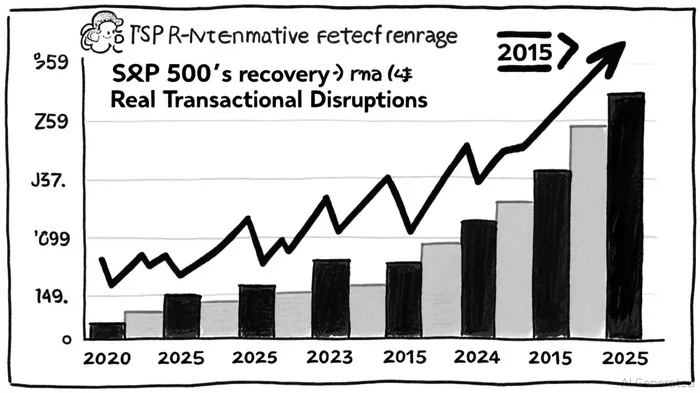
Government shutdowns, though infrequent, have historically introduced volatility into financial markets. The U.S. government has experienced 10 shutdowns since 1980, with the longest lasting 35 days in 2018–2019, according to a Fool.com analysis. While traditional assets like equities often recover swiftly-data from that analysis shows the S&P 500 typically rebounds within a month-alternative assets such as gold and real estate have demonstrated mixed effectiveness as hedges. This analysis explores how investors can navigate political uncertainty by diversifying into a broader range of alternative assets, including infrastructure and private credit, which offer more consistent resilience.
The Mixed Record of Traditional Hedges
Gold, long considered a safe-haven asset, has shown limited correlation with government shutdowns. During the 2013 shutdown, gold prices initially rose but later declined, while the 2018–2019 shutdown saw a modest $20 increase-a negligible gain in the broader context, according to a GoldPriceForecast analysis. Similarly, real estate markets face unique challenges during shutdowns. The 2018–2019 closure disrupted federal loan programs like the USDA and NFIP, delaying thousands of property transactions daily and reducing consumer confidence, as described in a FinancialContent report. These examples underscore that while gold and real estate may offer some protection, their performance is often influenced by broader market trends rather than direct reactions to political events.
Institutional Strategies: Beyond Gold and Real Estate
Institutional investors are increasingly turning to alternative assets with lower correlations to traditional markets. J.P. Morgan Asset Management's Alternatives 2025 Outlook emphasizes private equity, private credit, infrastructure, and hedge funds as critical tools for diversification and inflation protection. These assets thrive in environments marked by geopolitical tensions and policy shifts due to their structural characteristics. For instance, infrastructure investments-such as renewable energy projects and data centers-generate predictable cash flows through long-term contracts, making them less susceptible to short-term volatility, as noted in a Finantrix analysis.
Private credit, with assets under management nearing $2 trillion by 2023, has also emerged as a key hedge. Unlike corporate bonds, infrastructure debt often includes collateral security and structured covenants, reducing exposure to borrower distress. Swiss pension funds, for example, increased infrastructure allocations from 15% in 2014 to 50% by 2023, reflecting a global trend toward yield-seeking and risk mitigation noted in that Finantrix analysis.
The Resilience of Infrastructure and Private Credit
Infrastructure's appeal lies in its alignment with long-term megatrends like climate transition and digitalization. Renewable energy and data center projects, backed by tangible assets and inflation-linked returns, provide stability during geopolitical storms, a point emphasized by the Finantrix analysis. Meanwhile, private credit's flexibility allows it to fund projects that traditional lenders avoid, ensuring capital flows to sectors critical for economic resilience.
Conclusion: A Strategic Shift for Portfolio Resilience
While gold and real estate remain part of the hedging toolkit, their mixed performance during government shutdowns highlights the need for a more nuanced approach. Institutional investors are redefining risk management by allocating to infrastructure and private credit, which offer structural advantages in uncertain environments. As political volatility persists, diversifying into these alternatives can help portfolios withstand-and even capitalize on-periods of instability.







Comentarios
Aún no hay comentarios