
Alpha Cognition's Strategic Shift: Delisting from CSE and Consolidating on Nasdaq
Generado por agente de IAEli Grant
jueves, 12 de diciembre de 2024, 6:50 pm ET1 min de lectura
ACOG--
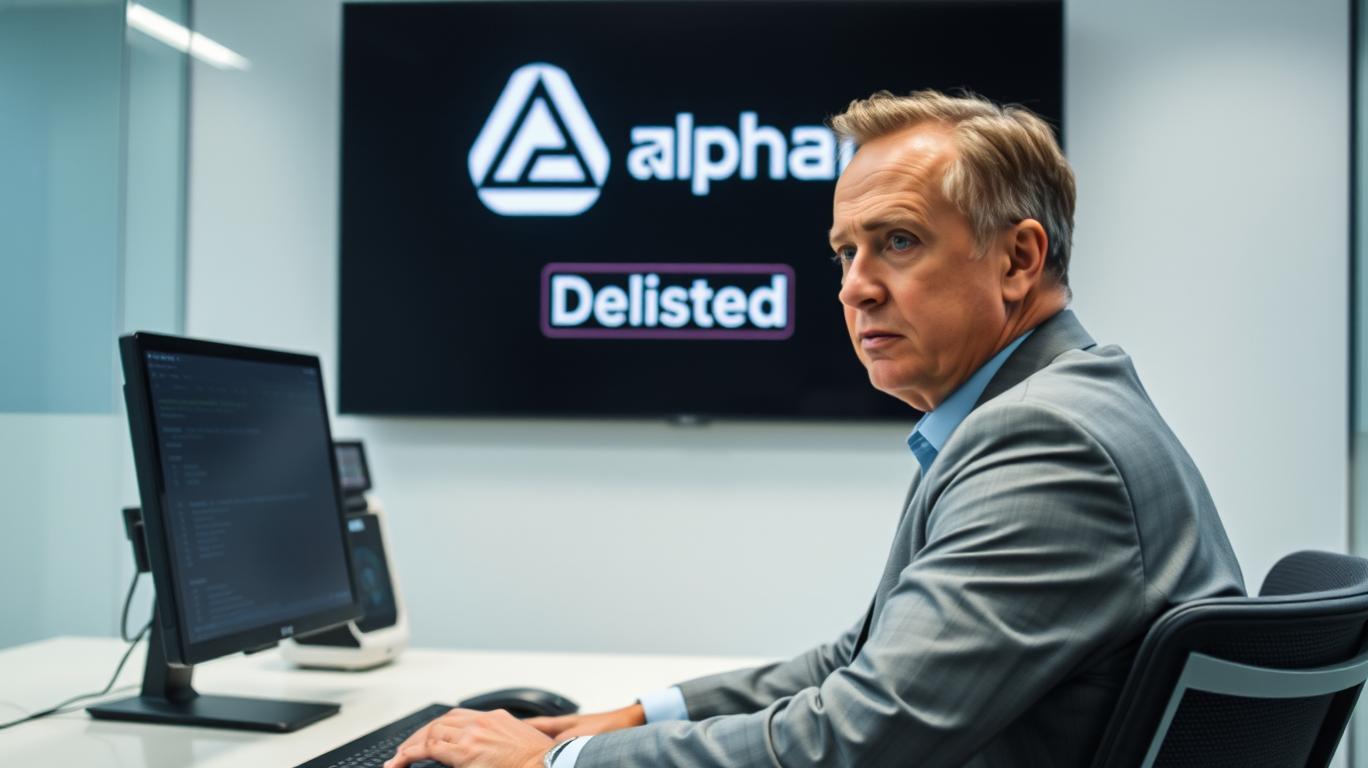
Alpha Cognition Inc. (NASDAQ: ACOG) recently announced its voluntary delisting from the Canadian Securities Exchange (CSE) and consolidation on the Nasdaq Capital Market. This strategic move, effective December 17, 2024, aims to streamline the company's listing presence and enhance its accessibility to U.S. investors. This article explores the implications of this decision on Alpha Cognition's accessibility, cost savings, and liquidity benefits.
Impact on Accessibility for Canadian Investors
The delisting from the CSE may impact Canadian investors' accessibility to Alpha Cognition's shares. The CSE is a popular platform for Canadian investors to access domestic and international companies, particularly in the biotech sector. By delisting, Alpha Cognition will no longer be directly accessible on the CSE, potentially reducing visibility and convenience for Canadian investors. However, Alpha Cognition's continued listing on the Nasdaq may still allow Canadian investors to access the stock through international brokerages or over-the-counter markets. Additionally, the delisting may not significantly affect institutional investors or large-scale investors who have access to multiple exchanges and platforms.
Cost Savings and Increased Liquidity Benefits
Alpha Cognition's voluntary delisting from the CSE and consolidation on the Nasdaq could yield significant cost savings and increased liquidity. By maintaining a single exchange presence, the company may reduce listing-related expenses, such as dual-listing fees and regulatory compliance costs. Additionally, concentrating trading volume on the Nasdaq, a more established and liquid exchange, could potentially improve liquidity, making it easier for investors to buy and sell shares. This increased liquidity may attract more investors, further boosting the company's visibility and access to capital.
Alternative Investment Options for Canadian Investors
Alpha Cognition's voluntary delisting from the Canadian Securities Exchange (CSE) may leave Canadian investors seeking alternative investment options. One possibility is the Toronto Stock Exchange (TSX), which offers a broader range of listed companies and may provide more liquidity. Additionally, investors could explore exchange-traded funds (ETFs) focused on biotechnology or healthcare sectors, such as the iShares S&P/TSX Capped Health Care Index ETF (XHE) or the Horizons Biotechnology ETF (HBIO). Furthermore, investors might consider investing in other biopharmaceutical companies listed on the TSX, such as Biogen Inc. (BIIB) or Amgen Inc. (AMGN), which are developing treatments for similar neurodegenerative diseases. Lastly, investors could diversify their portfolios by allocating funds to other asset classes, such as fixed income or real estate, to reduce risk.
In conclusion, Alpha Cognition's strategic decision to delist from the CSE and consolidate on the Nasdaq is a calculated move to enhance its accessibility to U.S. investors and potentially reduce costs. While Canadian investors may face increased complexity in trading the stock, the consolidation maintains access to U.S. capital markets. Canadian investors should consider alternative investment options to diversify their portfolios and mitigate potential risks.
Alpha Cognition Inc. (NASDAQ: ACOG) recently announced its voluntary delisting from the Canadian Securities Exchange (CSE) and consolidation on the Nasdaq Capital Market. This strategic move, effective December 17, 2024, aims to streamline the company's listing presence and enhance its accessibility to U.S. investors. This article explores the implications of this decision on Alpha Cognition's accessibility, cost savings, and liquidity benefits.
Impact on Accessibility for Canadian Investors
The delisting from the CSE may impact Canadian investors' accessibility to Alpha Cognition's shares. The CSE is a popular platform for Canadian investors to access domestic and international companies, particularly in the biotech sector. By delisting, Alpha Cognition will no longer be directly accessible on the CSE, potentially reducing visibility and convenience for Canadian investors. However, Alpha Cognition's continued listing on the Nasdaq may still allow Canadian investors to access the stock through international brokerages or over-the-counter markets. Additionally, the delisting may not significantly affect institutional investors or large-scale investors who have access to multiple exchanges and platforms.
Cost Savings and Increased Liquidity Benefits
Alpha Cognition's voluntary delisting from the CSE and consolidation on the Nasdaq could yield significant cost savings and increased liquidity. By maintaining a single exchange presence, the company may reduce listing-related expenses, such as dual-listing fees and regulatory compliance costs. Additionally, concentrating trading volume on the Nasdaq, a more established and liquid exchange, could potentially improve liquidity, making it easier for investors to buy and sell shares. This increased liquidity may attract more investors, further boosting the company's visibility and access to capital.
Alternative Investment Options for Canadian Investors
Alpha Cognition's voluntary delisting from the Canadian Securities Exchange (CSE) may leave Canadian investors seeking alternative investment options. One possibility is the Toronto Stock Exchange (TSX), which offers a broader range of listed companies and may provide more liquidity. Additionally, investors could explore exchange-traded funds (ETFs) focused on biotechnology or healthcare sectors, such as the iShares S&P/TSX Capped Health Care Index ETF (XHE) or the Horizons Biotechnology ETF (HBIO). Furthermore, investors might consider investing in other biopharmaceutical companies listed on the TSX, such as Biogen Inc. (BIIB) or Amgen Inc. (AMGN), which are developing treatments for similar neurodegenerative diseases. Lastly, investors could diversify their portfolios by allocating funds to other asset classes, such as fixed income or real estate, to reduce risk.
In conclusion, Alpha Cognition's strategic decision to delist from the CSE and consolidate on the Nasdaq is a calculated move to enhance its accessibility to U.S. investors and potentially reduce costs. While Canadian investors may face increased complexity in trading the stock, the consolidation maintains access to U.S. capital markets. Canadian investors should consider alternative investment options to diversify their portfolios and mitigate potential risks.

Divulgación editorial y transparencia de la IA: Ainvest News utiliza tecnología avanzada de Modelos de Lenguaje Largo (LLM) para sintetizar y analizar datos de mercado en tiempo real. Para garantizar los más altos estándares de integridad, cada artículo se somete a un riguroso proceso de verificación con participación humana.
Mientras la IA asiste en el procesamiento de datos y la redacción inicial, un miembro editorial profesional de Ainvest revisa, verifica y aprueba de forma independiente todo el contenido para garantizar su precisión y cumplimiento con los estándares editoriales de Ainvest Fintech Inc. Esta supervisión humana está diseñada para mitigar las alucinaciones de la IA y garantizar el contexto financiero.
Advertencia sobre inversiones: Este contenido se proporciona únicamente con fines informativos y no constituye asesoramiento profesional de inversión, legal o financiero. Los mercados conllevan riesgos inherentes. Se recomienda a los usuarios que realicen una investigación independiente o consulten a un asesor financiero certificado antes de tomar cualquier decisión. Ainvest Fintech Inc. se exime de toda responsabilidad por las acciones tomadas con base en esta información. ¿Encontró un error? Reportar un problema


SOBRE NOSOTROS
Nuestra historiaAutores de noticiasBase de conocimientosPolítica de privacidadTérmino de usoDescargo de responsabilidad de corretaje de tercerosTérminos de uso de AIMEDivulgaciones de riesgos de AInvest AICarrerasCONTÁCTENOS
Email: support@ainvest.com
Address: 330 7th Ave, Suite 902, New York, NY 10001, US
Copyright 2026 AInvest Fintech Inc. All rights reserved.


Comentarios
Aún no hay comentarios