
Algeria's Repeated Corn Tenders: A Strategic Opportunity or Market Headfake?
The world's corn markets are buzzing with talk of Algeria's insatiable appetite for the grain. Over the past three years, the North African nation has issued a steady stream of tenders for corn imports, with volumes hitting record highs. But here's the question: Is this a legitimate signal of surging demand, or just a headfake that could leave traders holding the bag? Let's dig into the data and decide whether to buy, hold, or bail on corn futures.
The Data Behind Algeria's Corn Tenders
Algeria's corn imports have skyrocketed, with the USDA projecting 5 million metric tons for the 2024/25 season—a 25% jump from the 4 million-ton average since 2020. This makes Algeria the ninth-largest corn importer globally and Africa's second-largest buyer after Egypt. The tenders, managed by the National Office of Livestock Feed (ONAB), have become a regular event: every 6–8 months, the country issues bids for 320,000–500,000 tons of corn, often restricted to Argentina and Brazil, which supply 87% of Algeria's corn.
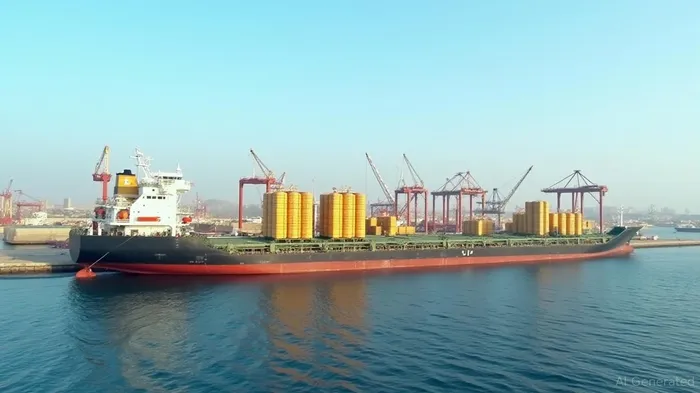
In November 2024, Algeria's November tender demanded 240,000 tons for delivery in weeks, underscoring urgency. Prices have also fallen: Argentine corn dropped to $208 per ton in late 2024, down 32% from 2022 levels, easing costs for Algeria's poultry and dairy industries, which consume 90% of the imported corn.
Why the Tenders Are Reliable—Or Are They?
Reliability Factors:
- Consistency: Algeria's tender schedule is as predictable as clockwork. The May 2025 tender for 240,000 tons followed a similar bid in March, showing a pattern of quarterly demand.
- Supplier Dependency: Algeria's reliance on Argentina and Brazil isn't just strategic—it's geopolitical. These South American nations have the scale and infrastructure to meet Algeria's needs, unlike Black Sea or U.S. competitors.
- USDA Backing: The USDA's projections for a 5 million-ton import target aren't guesses—they're rooted in Algeria's poultry industry growth (expanding at 8% annually) and stagnant local corn production (just 163,000 tons in 2021).
Red Flags:
- Logistical Headaches: Argentina's Rosario port faces congestion, while Brazil's storage shortages could delay shipments. Traders told me: “If ships can't unload fast enough, Algeria's tenders become a paper promise.”
- Price Volatility: While corn prices have fallen, they're still tied to global supply shocks. A drought in Brazil or a trade war with Argentina could send prices soaring overnight.
Trading Strategies for Corn Futures
Go Long on Corn Futures—But Set Stops:
Algeria's tenders are a buy signal if you believe demand will stay robust. The CME Group's corn futures (symbol: C) could rally if tender volumes hit records.
Beware the Logistics Trap:
Pair your corn futures position with puts to hedge against delays. If Argentina's ports grind to a halt, prices could spike or collapse if tenders are delayed.
Play the Logistics Play:
Invest in logistics firms like Archer-Daniels-Midland (ADM) or DryShips (DRYS), which handle South American exports. ADM's stock has surged 18% YTD as it expands storage in Brazil.
The Bottom Line: A Cautionary Bull
Algeria's corn tenders are real demand signals, but they're not a free pass. The opportunity lies in short-term volatility—buy on dips caused by logistical fears, sell if tenders get delayed.
Final Call:
- Buy CME corn futures at $4.50/bushel, with a stop below $4.20.
- Add ADM or DRYS to your portfolio for logistics upside.
This isn't a “set it and forget it” trade. Algeria's tenders could be the next big thing—or a mirage. Stay sharp, and keep one eye on those South American ports!
Disclosure: The author holds no positions in corn futures, ADM, or DRYS.







Comentarios
Aún no hay comentarios