
Albertsons Sues Kroger for Breach of Contract in Failed Deal
Generado por agente de IAWesley Park
miércoles, 11 de diciembre de 2024, 9:25 am ET1 min de lectura
ACI--
In a surprising turn of events, Albertsons Companies, Inc. has filed a lawsuit against Kroger Co. for breach of contract, following the collapse of their proposed $24.6 billion merger. The merger, announced in 2022, aimed to create the largest grocery chain in the U.S., but was blocked by a federal judge in December 2024, citing concerns over reduced competition in the grocery market.
Albertsons alleges that Kroger failed to exercise "best efforts" and take "any and all actions" to secure regulatory approval for the merger. This inaction, according to Albertsons, led to the merger's rejection in two courts, resulting in a significant financial impact on the company. Following the ruling, Albertsons' shares rose more than 2%, while Kroger's stock declined slightly.
The lawsuit is a significant development in the ongoing saga of the proposed merger between the two grocery giants. The outcome of this legal battle could have far-reaching implications for the future of the U.S. grocery industry and the prospects of a potential merger between Albertsons and Kroger.
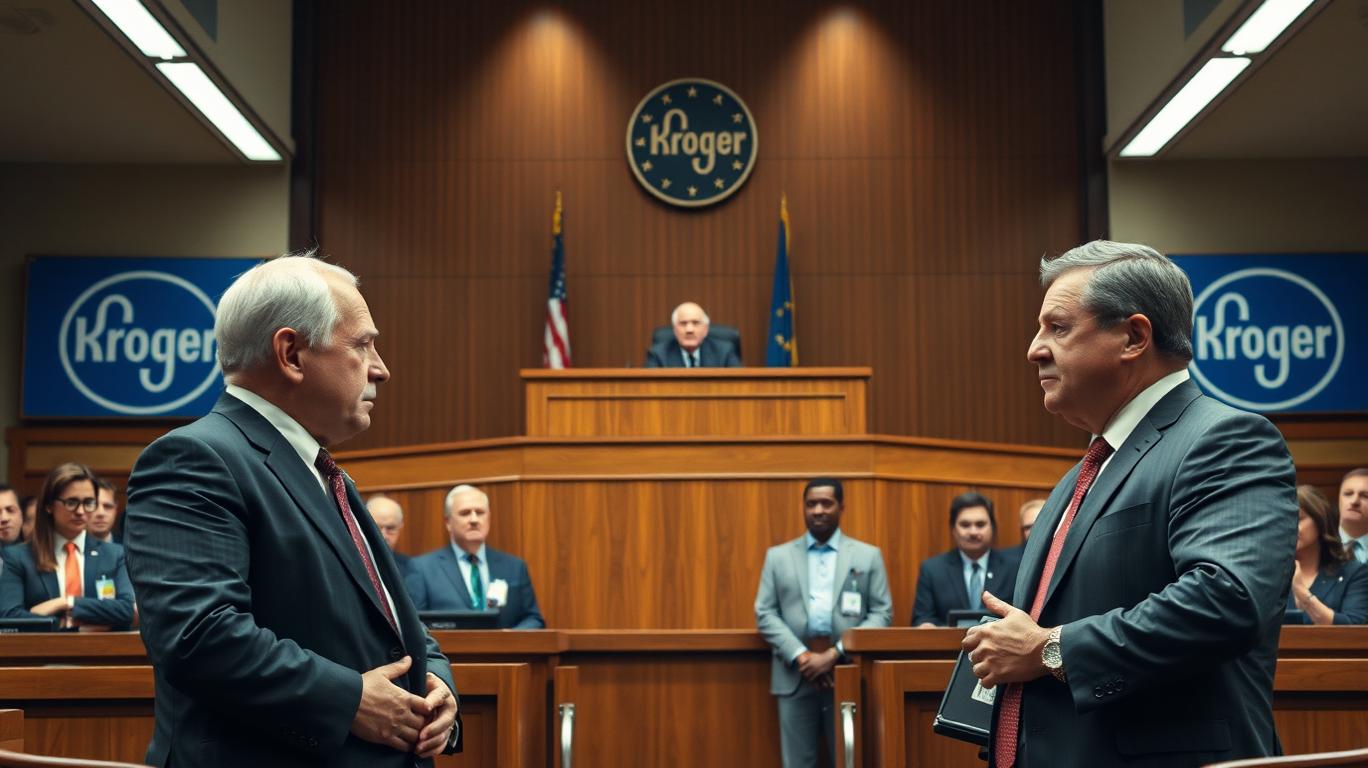
The merger between Kroger and Albertsons was initially seen as a strategic move to better compete with retail giants such as Walmart, Costco, and Amazon. However, the FTC and several state attorneys general opposed the deal, arguing that it would ultimately raise prices for millions of Americans and reduce consumer choices.
The FTC's concerns were echoed by Judge Adrienne Nelson, who ruled that the merger must halt while it undergoes the administrative review inside the FTC. Nelson wrote in her order, "Both defendants gestured toward a future in which they would not be able to compete against ever-growing Walmart, Amazon, or Costco. The overarching goals of antitrust law are not met, however, by permitting an otherwise unlawful merger in order to permit firms to compete with an industry giant."
The failed merger has left both companies with significant challenges. Kroger, which operates a network of 2,700 stores across 35 states and the District of Columbia, must now reassess its growth strategy. Albertsons, with 2,269 stores across 34 states and the District of Columbia, faces the task of rebuilding its merger prospects and maintaining its competitive edge in the grocery market.
As the legal battle between Albertsons and Kroger unfolds, investors will be closely watching the outcome. The result of this lawsuit could shape the future of the U.S. grocery industry and the prospects of a potential merger between the two companies.
KR--
In a surprising turn of events, Albertsons Companies, Inc. has filed a lawsuit against Kroger Co. for breach of contract, following the collapse of their proposed $24.6 billion merger. The merger, announced in 2022, aimed to create the largest grocery chain in the U.S., but was blocked by a federal judge in December 2024, citing concerns over reduced competition in the grocery market.
Albertsons alleges that Kroger failed to exercise "best efforts" and take "any and all actions" to secure regulatory approval for the merger. This inaction, according to Albertsons, led to the merger's rejection in two courts, resulting in a significant financial impact on the company. Following the ruling, Albertsons' shares rose more than 2%, while Kroger's stock declined slightly.
The lawsuit is a significant development in the ongoing saga of the proposed merger between the two grocery giants. The outcome of this legal battle could have far-reaching implications for the future of the U.S. grocery industry and the prospects of a potential merger between Albertsons and Kroger.
The merger between Kroger and Albertsons was initially seen as a strategic move to better compete with retail giants such as Walmart, Costco, and Amazon. However, the FTC and several state attorneys general opposed the deal, arguing that it would ultimately raise prices for millions of Americans and reduce consumer choices.
The FTC's concerns were echoed by Judge Adrienne Nelson, who ruled that the merger must halt while it undergoes the administrative review inside the FTC. Nelson wrote in her order, "Both defendants gestured toward a future in which they would not be able to compete against ever-growing Walmart, Amazon, or Costco. The overarching goals of antitrust law are not met, however, by permitting an otherwise unlawful merger in order to permit firms to compete with an industry giant."
The failed merger has left both companies with significant challenges. Kroger, which operates a network of 2,700 stores across 35 states and the District of Columbia, must now reassess its growth strategy. Albertsons, with 2,269 stores across 34 states and the District of Columbia, faces the task of rebuilding its merger prospects and maintaining its competitive edge in the grocery market.
As the legal battle between Albertsons and Kroger unfolds, investors will be closely watching the outcome. The result of this lawsuit could shape the future of the U.S. grocery industry and the prospects of a potential merger between the two companies.

Divulgación editorial y transparencia de la IA: Ainvest News utiliza tecnología avanzada de Modelos de Lenguaje Largo (LLM) para sintetizar y analizar datos de mercado en tiempo real. Para garantizar los más altos estándares de integridad, cada artículo se somete a un riguroso proceso de verificación con participación humana.
Mientras la IA asiste en el procesamiento de datos y la redacción inicial, un miembro editorial profesional de Ainvest revisa, verifica y aprueba de forma independiente todo el contenido para garantizar su precisión y cumplimiento con los estándares editoriales de Ainvest Fintech Inc. Esta supervisión humana está diseñada para mitigar las alucinaciones de la IA y garantizar el contexto financiero.
Advertencia sobre inversiones: Este contenido se proporciona únicamente con fines informativos y no constituye asesoramiento profesional de inversión, legal o financiero. Los mercados conllevan riesgos inherentes. Se recomienda a los usuarios que realicen una investigación independiente o consulten a un asesor financiero certificado antes de tomar cualquier decisión. Ainvest Fintech Inc. se exime de toda responsabilidad por las acciones tomadas con base en esta información. ¿Encontró un error? Reportar un problema


SOBRE NOSOTROS
Nuestra historiaAutores de noticiasBase de conocimientosPolítica de privacidadTérmino de usoDescargo de responsabilidad de corretaje de tercerosTérminos de uso de AIMEDivulgaciones de riesgos de AInvest AICarrerasCONTÁCTENOS
Email: support@ainvest.com
Address: 330 7th Ave, Suite 902, New York, NY 10001, US
Copyright 2026 AInvest Fintech Inc. All rights reserved.


Comentarios
Aún no hay comentarios