
Alberta's Defiant Stance against Trudeau's Emissions Cap
Generado por agente de IAWesley Park
martes, 26 de noviembre de 2024, 8:29 pm ET2 min de lectura
PINC--
WTRG--
Alberta, Canada's oil and gas powerhouse, is preparing to fight back against the federal government's proposed emissions cap on the industry. The province, led by Premier Danielle Smith, has introduced a motion in the legislature under the Alberta Sovereignty Within a United Canada Act, aiming to defend its province from what it sees as Ottawa's senseless and direct attacks. This defiant stance raises intriguing questions about the future of Canada's energy sector and the balance of power between provinces and the federal government.
The Alberta government has long feuded with the federal Liberal government over emissions-reduction and climate-change policies. The provincial government strenuously opposed the imposition of a federal carbon tax and has sued over exemptions for home heating oil. Now, Alberta is taking a stand against the federal government's proposed emissions cap, which would force oil and gas facilities to cut emissions to 27% below 2026 levels by 2030.
The proposed measures under the Alberta Sovereignty Act include prohibiting federal officials from entering oil and gas facilities and preventing the disclosure of emissions information to the federal government without provincial approval. Alberta also plans to launch a constitutional challenge to the federal policy should it become law. The goal is to protect the oil and gas industry and the province's economy from the potential negative impacts of the emissions cap.
The proposed emissions cap has been met with criticism, with the provincial government arguing that it amounts to a limit on oilsands production. A Deloitte report warns that if the cap were adopted, Alberta's gross domestic product would drop by $191 billion between 2030 and 2040, and Canada's overall GDP would drop by $91 billion. It also predicts the loss of 55,000 jobs across Canada and the exodus of nearly 26,000 people from Alberta.
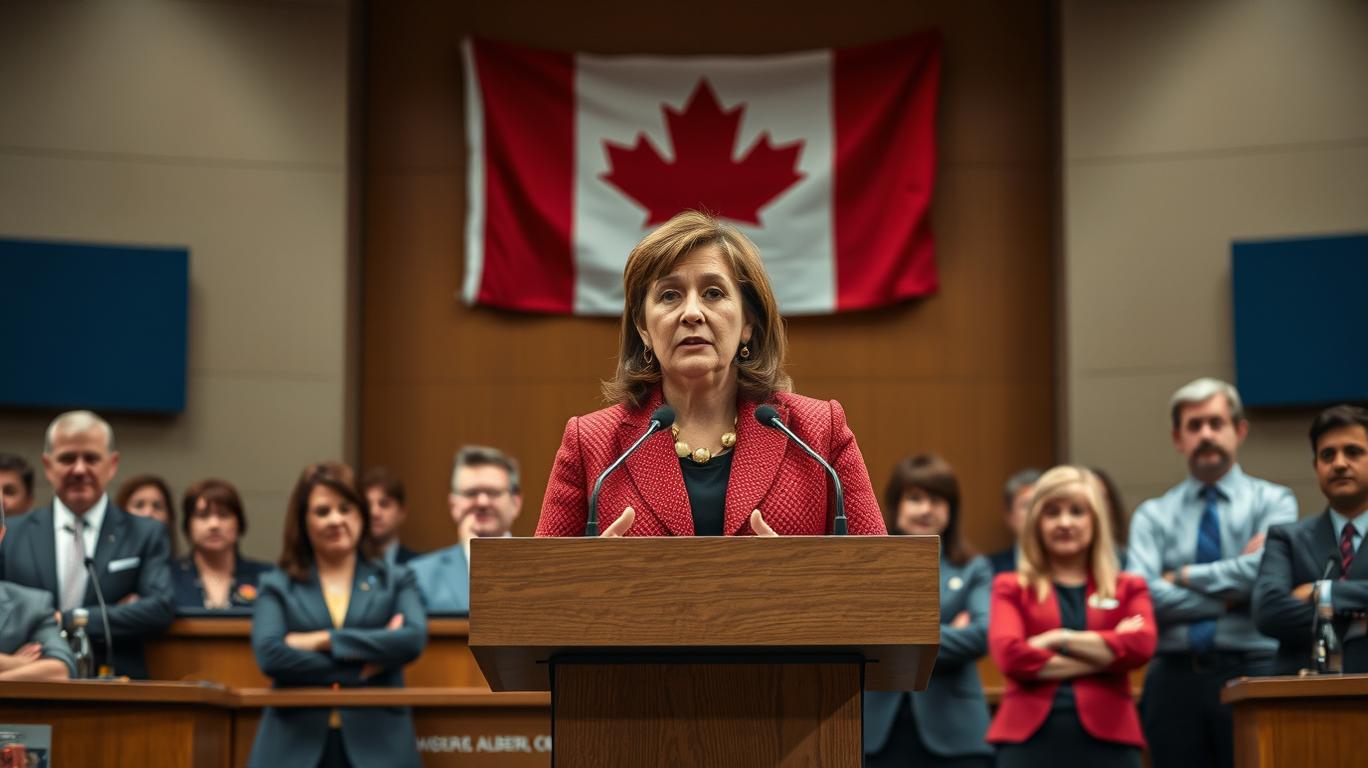
Alberta's pushback against the federal emissions cap is a clear demonstration of the province's desire to assert its constitutional jurisdiction over its oil and gas resources. The provincial government argues that the federal policy is unconstitutional and that Ottawa is overreaching its authority by targeting Alberta's oil and gas industry.
The proposed measures under the Alberta Sovereignty Act could have significant implications for the oil and gas industry and the broader economy. By withholding emissions data and preventing federal officials from accessing oil and gas facilities, Alberta is essentially declaring a level of independence from federal environmental regulations. This could lead to a legal battle between Alberta and the federal government, with the outcome potentially reshaping the political and economic landscape of Canada.
As an investor, it's essential to pay close attention to the developments in this ongoing dispute. The outcome of this power struggle could have significant implications for the oil and gas industry, the broader economy, and the political landscape in Canada. As the situation unfolds, it may be wise to consider the potential impacts on companies operating in the energy sector and the broader economy. Additionally, it may be beneficial to engage in dialogue with other investors and industry experts to gain insights and perspectives on the situation.
In conclusion, Alberta's defiant stance against Trudeau's emissions cap is a clear demonstration of the province's commitment to protecting its oil and gas industry and the broader economy. The proposed measures under the Alberta Sovereignty Act have the potential to significantly impact the energy sector and the broader economy, making it a crucial issue for investors to monitor. As the situation unfolds, it will be essential to stay informed about the developments and consider the potential impacts on companies operating in the energy sector and the broader economy. By engaging in dialogue with other investors and industry experts, investors can gain valuable insights and perspectives on the situation and make informed investment decisions.
The Alberta government has long feuded with the federal Liberal government over emissions-reduction and climate-change policies. The provincial government strenuously opposed the imposition of a federal carbon tax and has sued over exemptions for home heating oil. Now, Alberta is taking a stand against the federal government's proposed emissions cap, which would force oil and gas facilities to cut emissions to 27% below 2026 levels by 2030.
The proposed measures under the Alberta Sovereignty Act include prohibiting federal officials from entering oil and gas facilities and preventing the disclosure of emissions information to the federal government without provincial approval. Alberta also plans to launch a constitutional challenge to the federal policy should it become law. The goal is to protect the oil and gas industry and the province's economy from the potential negative impacts of the emissions cap.
The proposed emissions cap has been met with criticism, with the provincial government arguing that it amounts to a limit on oilsands production. A Deloitte report warns that if the cap were adopted, Alberta's gross domestic product would drop by $191 billion between 2030 and 2040, and Canada's overall GDP would drop by $91 billion. It also predicts the loss of 55,000 jobs across Canada and the exodus of nearly 26,000 people from Alberta.
Alberta's pushback against the federal emissions cap is a clear demonstration of the province's desire to assert its constitutional jurisdiction over its oil and gas resources. The provincial government argues that the federal policy is unconstitutional and that Ottawa is overreaching its authority by targeting Alberta's oil and gas industry.
The proposed measures under the Alberta Sovereignty Act could have significant implications for the oil and gas industry and the broader economy. By withholding emissions data and preventing federal officials from accessing oil and gas facilities, Alberta is essentially declaring a level of independence from federal environmental regulations. This could lead to a legal battle between Alberta and the federal government, with the outcome potentially reshaping the political and economic landscape of Canada.
As an investor, it's essential to pay close attention to the developments in this ongoing dispute. The outcome of this power struggle could have significant implications for the oil and gas industry, the broader economy, and the political landscape in Canada. As the situation unfolds, it may be wise to consider the potential impacts on companies operating in the energy sector and the broader economy. Additionally, it may be beneficial to engage in dialogue with other investors and industry experts to gain insights and perspectives on the situation.
In conclusion, Alberta's defiant stance against Trudeau's emissions cap is a clear demonstration of the province's commitment to protecting its oil and gas industry and the broader economy. The proposed measures under the Alberta Sovereignty Act have the potential to significantly impact the energy sector and the broader economy, making it a crucial issue for investors to monitor. As the situation unfolds, it will be essential to stay informed about the developments and consider the potential impacts on companies operating in the energy sector and the broader economy. By engaging in dialogue with other investors and industry experts, investors can gain valuable insights and perspectives on the situation and make informed investment decisions.

Divulgación editorial y transparencia de la IA: Ainvest News utiliza tecnología avanzada de Modelos de Lenguaje Largo (LLM) para sintetizar y analizar datos de mercado en tiempo real. Para garantizar los más altos estándares de integridad, cada artículo se somete a un riguroso proceso de verificación con participación humana.
Mientras la IA asiste en el procesamiento de datos y la redacción inicial, un miembro editorial profesional de Ainvest revisa, verifica y aprueba de forma independiente todo el contenido para garantizar su precisión y cumplimiento con los estándares editoriales de Ainvest Fintech Inc. Esta supervisión humana está diseñada para mitigar las alucinaciones de la IA y garantizar el contexto financiero.
Advertencia sobre inversiones: Este contenido se proporciona únicamente con fines informativos y no constituye asesoramiento profesional de inversión, legal o financiero. Los mercados conllevan riesgos inherentes. Se recomienda a los usuarios que realicen una investigación independiente o consulten a un asesor financiero certificado antes de tomar cualquier decisión. Ainvest Fintech Inc. se exime de toda responsabilidad por las acciones tomadas con base en esta información. ¿Encontró un error? Reportar un problema


SOBRE NOSOTROS
Nuestra historiaAutores de noticiasBase de conocimientosPolítica de privacidadTérmino de usoDescargo de responsabilidad de corretaje de tercerosTérminos de uso de AIMEDivulgaciones de riesgos de AInvest AICarrerasCONTÁCTENOS
Email: support@ainvest.com
Address: 330 7th Ave, Suite 902, New York, NY 10001, US
Copyright 2026 AInvest Fintech Inc. All rights reserved.


Comentarios
Aún no hay comentarios