
Alaska's Evolving Economic and Regulatory Landscape: Implications for Airline and Consumer Sector Investments
Alaska's economic and regulatory environment is undergoing significant transformation in 2025, driven by wage adjustments, Medicaid policy shifts, and historic rural healthcare funding. These changes present both challenges and opportunities for airlines like Alaska Air GroupALK-- and consumer-facing businesses. By analyzing the interplay of these factors, investors can better assess the risks and growth potential in this unique market.
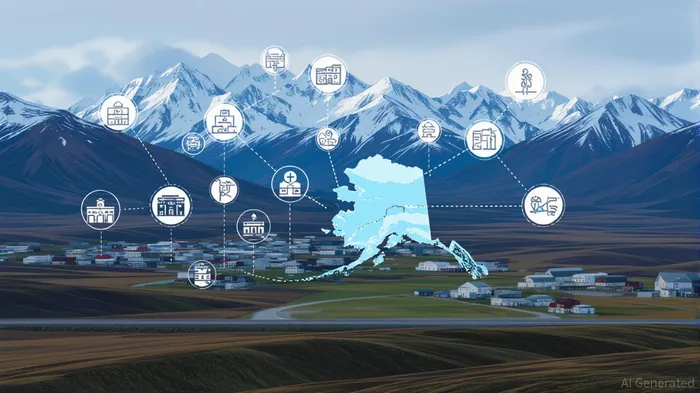
Wage Adjustments and Labor Cost Dynamics
Alaska's minimum wage is set to rise in two phases in 2025: from $11.73 to $11.91 on January 1, followed by a jump to $13 on July 1, with further increases to $15 by July 1, 2027 . For labor-intensive industries like airlines and retail, these hikes will directly pressure operating margins. Alaska Air Group, which operates extensive rural air services, may face higher costs in regions where minimum wage roles are prevalent. However, the gradual implementation allows businesses time to adjust pricing or operational efficiency.
Conversely, higher wages could boost consumer spending, particularly in low-income sectors. As noted by the Alaska Department of Labor and Workforce Development, these increases are tied to inflation adjustments and voter-approved measures, reflecting a broader commitment to aligning wages with living costs . For consumer-facing businesses, this could translate to increased demand for goods and services, offsetting some margin pressures.
Medicaid Stability and Workforce Resilience
The One Big Beautiful Bill Act (OBBBA), signed into law in July 2025, introduces Medicaid work requirements for able-bodied adults aged 19–64, mandating 80 hours of monthly work or qualifying activities [2]. However, Alaska's unique demographics—such as exemptions for Alaska Natives, caregivers, and individuals in seasonal industries—mitigate potential labor shortages. This stability supports workforce continuity for businesses reliant on Medicaid-covered employees, including rural healthcare providers and local retailers.
The phased implementation of work requirements (beginning December 31, 2026) provides additional time for adaptation. For airlines, this means reduced risk of labor disruptions in rural communities, where Medicaid recipients often fill critical roles in ground operations or customer service.
Rural Health Transformation Fund: A Catalyst for Long-Term Growth
The $50 billion Rural Health Transformation Fund (RHTF), established under the OBBBA, is poised to reshape Alaska's healthcare landscape. With its vast rural geography, Alaska is expected to receive a disproportionate share of these funds, allocated over five years for technology modernization, workforce development, and preventive care initiatives [2].
For Alaska Air Group, this funding could indirectly drive demand for rural air travel. Improved healthcare access in remote areas may increase the need for medical transport, staff commuting, and patient mobility. Additionally, RHTF investments in telehealth and infrastructure could reduce long-term healthcare costs for businesses, easing financial pressures on operating margins.
Investment Implications: Balancing Risks and Opportunities
While rising labor costs pose near-term challenges, the RHTF and Medicaid stability create a foundation for long-term resilience. Airlines with strong rural networks, like Alaska Air Group, are well-positioned to capitalize on healthcare-driven demand for air services. Consumer-facing businesses in sectors such as retail and hospitality may benefit from increased purchasing power as wages rise, particularly in urban centers like Anchorage.
However, investors should monitor how small businesses adapt to wage hikes. For example, restaurants and local retailers in rural areas—where profit margins are often thin—may struggle to absorb higher labor costs without passing them on to consumers.
Conclusion
Alaska's evolving policies reflect a dual focus on wage equity and rural development. For airlines and consumer businesses, the key lies in navigating short-term cost pressures while leveraging long-term opportunities tied to healthcare infrastructure and workforce stability. Investors who prioritize companies with adaptive operational models and rural exposure may find Alaska's market increasingly attractive in the coming years.





Comentarios
Aún no hay comentarios