
Airlines Extend Travel Waivers Amid LA Wildfires: A Balancing Act Between Customer Support and Financial Implications
Generado por agente de IATheodore Quinn
viernes, 10 de enero de 2025, 3:08 pm ET2 min de lectura
AAL--
As the wildfires continue to ravage Los Angeles, airlines have extended travel waivers to support affected passengers while grappling with the financial implications of these disruptions. The recent events have highlighted the delicate balance airlines must strike between customer support and financial considerations.
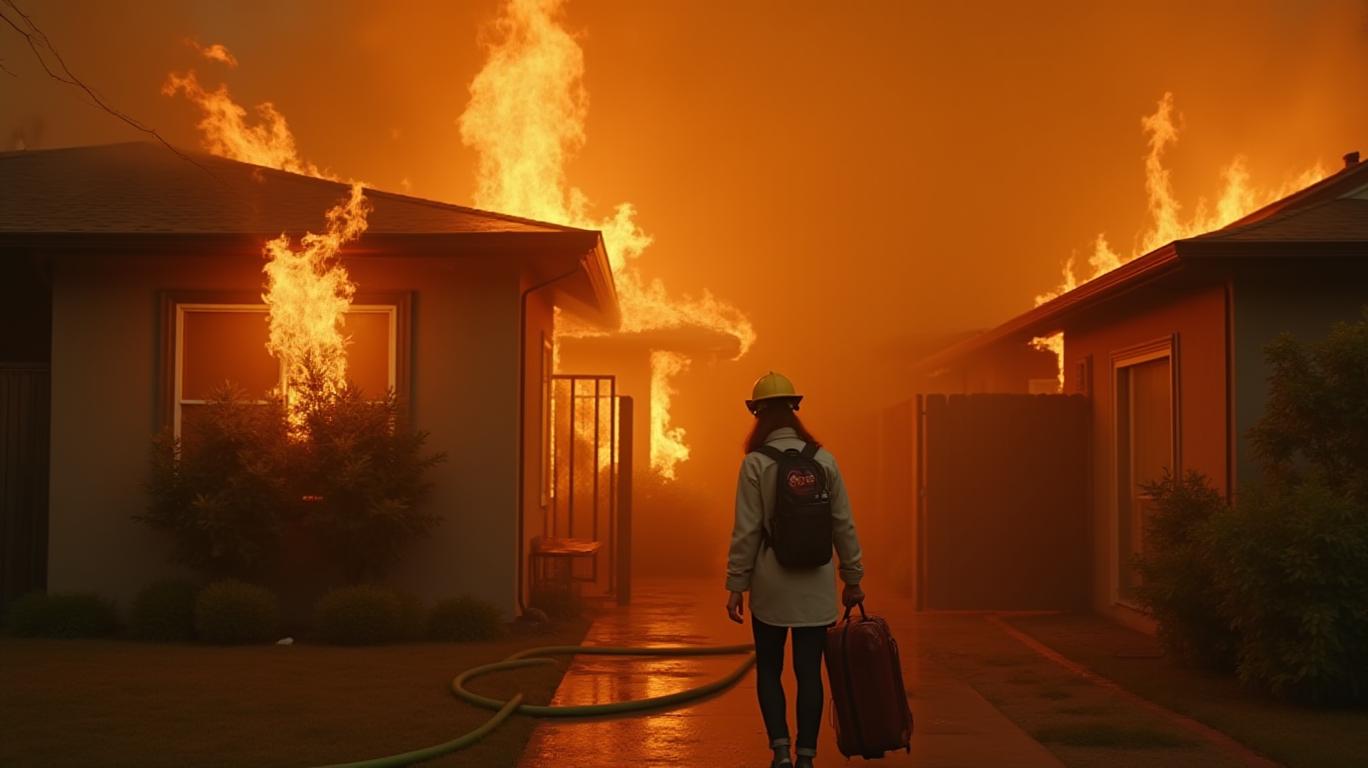
The ongoing wildfires in Los Angeles have caused significant damage and disruption, with over 10,000 homes and structures destroyed, and more than 100,000 people evacuated. The fires have also led to power outages, water shortages, and conservation measures, impacting the lives of countless residents and travelers alike. In response to these challenges, major US airlines have offered flexible rescheduling options and waived change fees for passengers affected by the wildfires.
Extended travel waivers can have both short-term and long-term impacts on airlines' financial performance. In the short term, airlines may face increased costs due to rebooking and refunding passengers, as well as potential disruptions to their flight schedules. For instance, American Airlines, United Airlines, Southwest Airlines, JetBlue Airways, and other carriers have waived fees for flight changes for travelers booked to Los Angeles while the city grapples with power outages, water shortages, and the outright damage of more than 10,000 homes and other structures (Source: NBC New York, 24/7 New York news stream). This could lead to increased operational costs and potential revenue loss in the short term.
In the long term, however, extended travel waivers can have a positive impact on airlines' financial performance. By offering flexibility to passengers, airlines can build customer loyalty and improve their brand reputation. For instance, Mary Ruiz, a GoCrisis Associate, noted that airlines became like one family during a crisis, working together to make the best of a difficult situation, which strengthened their business and brand reputation (Source: An Interview With Mary Ruiz, GoCrisis Associate, 18 August 2021). Additionally, airlines may experience an uptick in demand after natural disasters due to rebuilding efforts, as Glen Hauenstein, Delta's president, mentioned (Source: Delta Air Lines executive, 10 January 2025). Therefore, while extended travel waivers may have short-term financial implications, they can ultimately contribute to long-term financial success for airlines.

Airlines balance the need for customer support with the financial implications of extended waivers by implementing policies that prioritize safety and customer well-being while minimizing financial losses. They offer targeted waivers for specific areas and timeframes affected by the disaster, limited timeframes for rebooking, and restrictions on fare classes to minimize financial losses. Additionally, airlines use revenue management strategies to optimize their revenue during disruptions, adjust fares, and offer promotions to encourage travel during less affected periods or to other destinations. By implementing these strategies, airlines can balance the need for customer support with the financial implications of extended waivers, ensuring they maintain their financial stability while providing assistance to affected customers.
In conclusion, the recent wildfires in Los Angeles have presented airlines with a challenge to balance customer support and financial implications. By offering extended travel waivers and implementing targeted policies, airlines can mitigate the short-term financial impact while building customer loyalty and improving their brand reputation in the long term. As the situation continues to evolve, airlines must remain vigilant in addressing passenger concerns and communicating effectively to maintain passenger confidence and minimize the potential long-term effects on bookings.
CMCSA--
JBLU--
LUV--
UAL--
As the wildfires continue to ravage Los Angeles, airlines have extended travel waivers to support affected passengers while grappling with the financial implications of these disruptions. The recent events have highlighted the delicate balance airlines must strike between customer support and financial considerations.
The ongoing wildfires in Los Angeles have caused significant damage and disruption, with over 10,000 homes and structures destroyed, and more than 100,000 people evacuated. The fires have also led to power outages, water shortages, and conservation measures, impacting the lives of countless residents and travelers alike. In response to these challenges, major US airlines have offered flexible rescheduling options and waived change fees for passengers affected by the wildfires.
Extended travel waivers can have both short-term and long-term impacts on airlines' financial performance. In the short term, airlines may face increased costs due to rebooking and refunding passengers, as well as potential disruptions to their flight schedules. For instance, American Airlines, United Airlines, Southwest Airlines, JetBlue Airways, and other carriers have waived fees for flight changes for travelers booked to Los Angeles while the city grapples with power outages, water shortages, and the outright damage of more than 10,000 homes and other structures (Source: NBC New York, 24/7 New York news stream). This could lead to increased operational costs and potential revenue loss in the short term.
In the long term, however, extended travel waivers can have a positive impact on airlines' financial performance. By offering flexibility to passengers, airlines can build customer loyalty and improve their brand reputation. For instance, Mary Ruiz, a GoCrisis Associate, noted that airlines became like one family during a crisis, working together to make the best of a difficult situation, which strengthened their business and brand reputation (Source: An Interview With Mary Ruiz, GoCrisis Associate, 18 August 2021). Additionally, airlines may experience an uptick in demand after natural disasters due to rebuilding efforts, as Glen Hauenstein, Delta's president, mentioned (Source: Delta Air Lines executive, 10 January 2025). Therefore, while extended travel waivers may have short-term financial implications, they can ultimately contribute to long-term financial success for airlines.
Airlines balance the need for customer support with the financial implications of extended waivers by implementing policies that prioritize safety and customer well-being while minimizing financial losses. They offer targeted waivers for specific areas and timeframes affected by the disaster, limited timeframes for rebooking, and restrictions on fare classes to minimize financial losses. Additionally, airlines use revenue management strategies to optimize their revenue during disruptions, adjust fares, and offer promotions to encourage travel during less affected periods or to other destinations. By implementing these strategies, airlines can balance the need for customer support with the financial implications of extended waivers, ensuring they maintain their financial stability while providing assistance to affected customers.
In conclusion, the recent wildfires in Los Angeles have presented airlines with a challenge to balance customer support and financial implications. By offering extended travel waivers and implementing targeted policies, airlines can mitigate the short-term financial impact while building customer loyalty and improving their brand reputation in the long term. As the situation continues to evolve, airlines must remain vigilant in addressing passenger concerns and communicating effectively to maintain passenger confidence and minimize the potential long-term effects on bookings.

Divulgación editorial y transparencia de la IA: Ainvest News utiliza tecnología avanzada de Modelos de Lenguaje Largo (LLM) para sintetizar y analizar datos de mercado en tiempo real. Para garantizar los más altos estándares de integridad, cada artículo se somete a un riguroso proceso de verificación con participación humana.
Mientras la IA asiste en el procesamiento de datos y la redacción inicial, un miembro editorial profesional de Ainvest revisa, verifica y aprueba de forma independiente todo el contenido para garantizar su precisión y cumplimiento con los estándares editoriales de Ainvest Fintech Inc. Esta supervisión humana está diseñada para mitigar las alucinaciones de la IA y garantizar el contexto financiero.
Advertencia sobre inversiones: Este contenido se proporciona únicamente con fines informativos y no constituye asesoramiento profesional de inversión, legal o financiero. Los mercados conllevan riesgos inherentes. Se recomienda a los usuarios que realicen una investigación independiente o consulten a un asesor financiero certificado antes de tomar cualquier decisión. Ainvest Fintech Inc. se exime de toda responsabilidad por las acciones tomadas con base en esta información. ¿Encontró un error? Reportar un problema


SOBRE NOSOTROS
Nuestra historiaAutores de noticiasBase de conocimientosPolítica de privacidadTérmino de usoDescargo de responsabilidad de corretaje de tercerosTérminos de uso de AIMEDivulgaciones de riesgos de AInvest AICarrerasCONTÁCTENOS
Email: support@ainvest.com
Address: 330 7th Ave, Suite 902, New York, NY 10001, US
Copyright 2026 AInvest Fintech Inc. All rights reserved.


Comentarios
Aún no hay comentarios