
Airbus' Supply Chain Crisis: Navigating Risks and Opportunities in the Aviation Sector
The aviation industry is at a crossroads. Airbus, the European aerospace giant, faces unprecedented supply chain delays that threaten its production targets, disrupt airline operations, and create financial ripple effects across the sector. For investors, this crisis presents both peril and promise—requiring a nuanced strategy to capitalize on opportunities while avoiding pitfalls. Let's dissect the stakes.
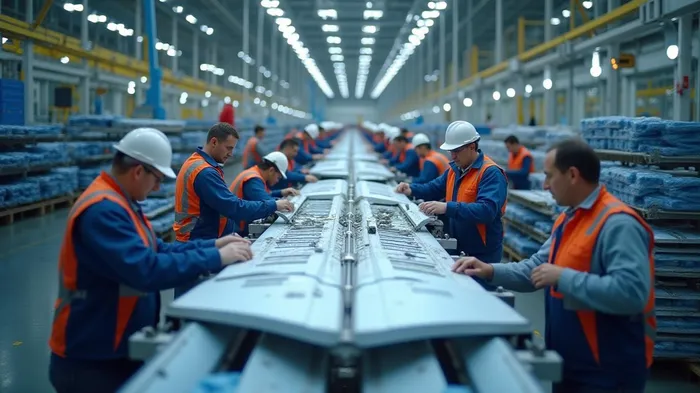
Airlines in the Crosshairs: Cash Flow Pressures and Operational Risks
Prolonged delivery delays—now extending into 2028—are squeezing airlines' finances. Consider this:
- Fleet Plans Disrupted: Airlines like DeltaDAL-- have deferred deliveries of tariff-hit aircraft, creating a backlog of 43 planes by year-end. This forces carriers to extend older fleets, raising maintenance costs and safety risks.
- Cash Flow Strain: Airlines are paying for delayed planes upfront, tying up capital that could fund expansion or debt repayment. A would starkly illustrate this mismatch.
- Order Cancellations Loom: Airlines with thin margins, such as low-cost carriers, may walk away from delayed orders, denting Airbus' revenue.
Investment Implication: Airlines reliant on Airbus deliveries (e.g., Ryanair, Spirit Airlines) face valuation headwinds. A would highlight this correlation.
Airbus' Production Dilemma: Targets vs. Reality
Airbus aims to hit 75 A320neo-family jets/month by 2027, but current realities paint a grim picture:
- April 2025 Output: Produced just 40 A320neos (vs. the 50/month target), with supply chain bottlenecks and tariffs to blame.
- A350 Woes: Production capped at 6/month due to Spirit AeroSystems' delays, pushing the 2028 target of 12/month further into fantasy.
A reveals a stark disconnect between ambition and execution.
Investment Implication: Airbus shares are a rollercoaster. A shows its volatility. Until supply chains stabilize, investors should tread cautiously.
Opportunities in the Crisis: Suppliers and Strategic Plays
While Airbus falters, others thrive:
1. Logistics and Component Suppliers: Firms like Spirit AeroSystems (SPR) and Safran (SAF.PA) hold the keys to resolving bottlenecks. A could identify undervalued gems.
2. Defense Plays: Airbus' defense segment (24% of revenue) is recession-resistant. A highlights this shield.
3. Undervalued Airlines: Airlines with strong balance sheets and minimal Airbus exposure (e.g., Emirates, Lufthansa) may rebound if delays force competitors to falter.
Investment Strategy: Navigating the Turbulence
- Avoid Airbus Until Clarity: Hold off on buying AIR until supply chain issues ease—likely not before 2026. Monitor for turning points.
- Target Logistics and Defense: Invest in supply chain firms like SPR or defense ETFs. These sectors profit from Airbus' struggles.
- Selective Airlines Bets: Buy airlines with diversified aircraft portfolios (e.g., Delta (DAL), which has Boeing 737 MAX orders as a hedge). Avoid carriers overexposed to Airbus.
Conclusion: The Clouds Part—Eventually
Airbus' supply chain crisis is a marathon, not a sprint. Airlines face near-term pain, but investors can profit by focusing on resilient suppliers and financially robust carriers. For Airbus itself, recovery hinges on integrating Spirit AeroSystems and resolving tariffs—a process likely to stretch into 2026. Until then, the skies remain stormy—but savvy investors will find sunshine elsewhere.

Act now: Diversify into logistics and defense, and wait for Airbus to stabilize. The aviation sector's turbulence is fleeting—position yourself to soar when clarity emerges.





Comentarios
Aún no hay comentarios