
Airbus Software Glitch and Its Implications for Aviation Sector Stocks: Operational Risk and Short-Term Volatility in Airline and OEM Valuations
Technical Root Causes and Operational Fallout
The glitch stems from the Elevator and Aileron Computer (ELAC), which governs pitch and roll, being susceptible to data corruption caused by intense solar radiation. This flaw was when a JetBlue flight experienced an uncommanded altitude drop, resulting in injuries and an emergency landing. The European Aviation Safety Agency (EASA) swiftly mandated a recall, requiring airlines to implement software updates or hardware replacements. , necessitate hardware changes, prolonging groundings and straining parts supply chains.
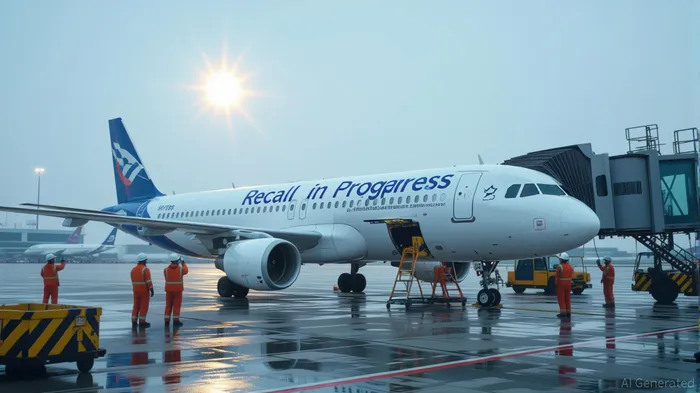
For airlines like American AirlinesAAL--, the recall has been particularly disruptive. The carrier initially identified 340 affected A320-family aircraft but later revised the number , . , though repairs were prioritized during the Thanksgiving travel peak. The timing of the recall exacerbated operational challenges, compounding existing maintenance backlogs and crew shortages.
Investor Sentiment and Regulatory Scrutiny
The crisis has intensified regulatory scrutiny, with EASA issuing an to address the issue. Investors are now questioning the reliability of fly-by-wire systems, a cornerstone of modern aircraft design. While Airbus has emphasized its commitment to safety, the incident has eroded short-term confidence. Analysts at RBC Capital and KeyBanc note that Airbus's stock (AIR.N) remains underpinned by long-term demand in aerospace and defense, but near-term volatility is inevitable as airlines navigate repair logistics.
For airlines, the financial toll is twofold: direct maintenance costs and indirect revenue losses from cancellations and delays. American Airlines, for instance, according to Safefly. Though specific maintenance cost figures remain undisclosed, the logistical burden of coordinating updates during peak travel periods has strained operational margins.
Investment Risk/Reward Analysis
The recall highlights divergent risks for airlines and OEMs. For airlines, the immediate threat lies in operational disruptions and rising maintenance expenditures. Carriers with larger A320 fleets, such as American Airlines and Air France, face disproportionate challenges. However, the swift resolution of the issue-particularly for newer aircraft-suggests that long-term profitability may remain intact.
For OEMs like Airbus, the incident raises concerns about design robustness and regulatory compliance. While the company's proactive response has mitigated reputational damage, repeated technical failures could erode customer trust. Conversely, the crisis may accelerate demand for software redundancy systems, creating opportunities for innovation-driven OEMs.
Investors must weigh these risks against the sector's resilience. The aviation industry has historically rebounded from short-term shocks, and the A320 recall, while severe, is unlikely to derail long-term growth. However, short-term volatility is expected as markets digest the operational and financial implications.
Conclusion
The Airbus A320 software glitch serves as a cautionary tale for investors navigating the aviation sector. While the recall has introduced operational risks and regulatory headwinds, the sector's adaptability and the absence of catastrophic outcomes suggest a path to recovery. For airlines, the key will be balancing immediate repair costs with long-term fleet modernization. For OEMs, the incident underscores the need for rigorous software testing in an era of increasing digital complexity. Investors should monitor repair progress, regulatory developments, and airline earnings to gauge the full impact of this unprecedented event.







Comentarios
Aún no hay comentarios