
Airbus Software Glitch and Its Impact on Aviation Stocks: Assessing Operational and Market Risks for Airlines Relying on Airbus Fleet
Operational Disruptions: A Race Against Time
Airbus identified the flaw after a JetBlue flight in October 2025 experienced an uncommanded altitude drop, injuring passengers. The European Union Aviation Safety Agency (EASA) and the Federal Aviation Administration (FAA) swiftly mandated emergency fixes, requiring airlines to update software or replace hardware on affected aircraft. While most updates took three hours per plane, older models necessitated more extensive hardware modifications, prolonging grounding periods.
American Airlines, which operates the largest A320 fleet, . By midday on November 29, all updates were completed, with no further operational impacts expected. Similarly, British Airways and EasyJet managed to implement fixes overnight, minimizing disruptions. However, airlines like Jetstar and Philippine Airlines faced significant cancellations, . 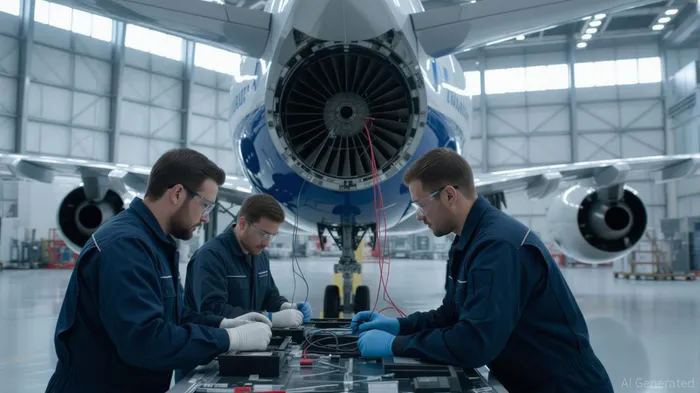
The recall compounded existing maintenance backlogs and staffing shortages, particularly during the peak holiday travel season. For instance, in Japan, . Analysts warn that such operational hiccups could erode customer trust and trigger rebooking costs, further straining airline profitability.
Market Reactions: Volatility and Investor Sentiment
The recall's timing-during a critical travel period-amplified market jitters. While major U.S. carriers like Delta and United reported minimal disruptions, others faced sharper stock price declines. Lufthansa (LHA), for example, , 2025, with a slight increase during the recall period, reflecting mixed investor sentiment. Jetstar's parent company, Qantas (QAN), , .
American Airlines (AAL) demonstrated resilience, by midday on November 29. However, the broader market impact was evident: the recall, coupled with ongoing engine maintenance challenges, . Bloomberg analysts noted , .
Long-Term Financial Risks: Beyond Immediate Costs
The recall's long-term implications extend beyond short-term operational costs. Airlines now face elevated maintenance expenses, . For example, , .
Reputational damage also looms large. A Reuters report highlighted . Meanwhile, Airbus faces scrutiny over its software design processes, with regulators likely to impose stricter oversight.
Analysts at AlphaSpread caution , as airlines divert resources to address the crisis. , . Furthermore, , .
Investor Implications: Navigating Uncertainty
For investors, the Airbus recall underscores the importance of diversification and risk assessment. . Conversely, , like Jetstar and Lufthansa, .
The incident also highlights the need for regulatory scrutiny of software-driven systems in aviation. emphasized, . However, investors must remain vigilant about potential follow-up actions, , .
Conclusion
. , . For investors, the key takeaway lies in evaluating carriers' operational agility, , . As the industry navigates this crisis, .







Comentarios
Aún no hay comentarios