
Airbus Safety Crisis and Its Ripple Effects on Global Aviation Markets
Operational and Reputational Fallout for Airbus
The incident, which forced a JetBlue flight to make an emergency landing after an uncommanded nose-down event, revealed a critical flaw: intense corrupting flight control data in the ELAC system. Airbus's emergency directive, , has caused widespread operational disruptions. The European Union Aviation Safety Agency (EASA) and the U.S. Federal Aviation Administration (FAA) have joined the recall, with airlines like American Airlines, Delta, and Avianca reporting significant fleet grounding.
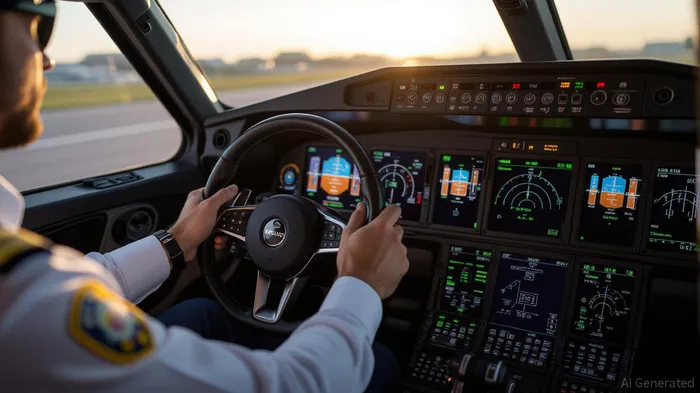
This crisis has damaged Airbus's reputation as a leader in aviation safety. The scale of the recall-unprecedented in the company's history-has raised questions about its software validation processes and risk mitigation strategies. According to a report by Bloomberg, , .
OEM Supplier Exposure: Thales's Legal and Financial Risks
Thales, the manufacturer of the , faces a paradoxical situation. While the company asserts that the problematic software is not its responsibility, its role in producing the hardware has drawn scrutiny. A Reuters analysis highlights that Thales's contractual obligations may still expose it to liability, particularly if regulators determine that its design specifications were insufficient to account for .
The financial implications for Thales are twofold. First, , especially if Airbus shifts repair costs to suppliers. Second, reputational damage could erode customer trust, with airlines potentially reevaluating long-term partnerships. As stated by an industry analyst in a report by , "Thales's ability to navigate this crisis will depend on its agility in managing contractual disputes and restoring confidence in its products."
Airline Disruption Costs and Valuation Risks
For airlines, the recall has compounded existing challenges, including labor shortages and post-pandemic demand surges. American Airlines, for instance, reported , . However, , .
The financial toll on airlines is staggering. According to a study by IATA, , with ancillary expenses from rebooking, crew repositioning, . For investors, this raises red flags about airline valuations, particularly for carriers with large A320 fleets. Delta Air Lines and Avianca, for example, in the wake of the crisis, reflecting market concerns over .
Investment Implications for Aerospace and Travel Sectors
The Airbus crisis has broader implications for aerospace and travel-related equities. For OEMs, the incident highlights the growing risks of in aviation. While Airbus and Boeing have long dominated hardware innovation, the shift toward and AI-driven diagnostics has introduced new vulnerabilities. Investors should monitor regulatory responses, such as EASA's emergency directive, which may mandate stricter and increase R&D costs.
In the travel sector, airlines with diversified fleets-such as United Airlines, which operates fewer A320s-may outperform peers. Conversely, carriers like Air France and Wizz Air, which rely heavily on the A320 family, face heightened valuation risks. Additionally, insurance companies covering aircraft downtime and could see premium increases, presenting both opportunities and risks for .
Conclusion
The Airbus A320 recall is a wake-up call for the aviation industry. For investors, the crisis underscores the importance of scrutinizing supply chain resilience, , and in aerospace and travel stocks. While Airbus and its partners may eventually stabilize the situation, the long-term financial and reputational scars will linger, reshaping for years to come.







Comentarios
Aún no hay comentarios