
The Airbus A320 Recall and Its Implications for Aviation Supply Chains
A Technical Crisis with Operational Consequences
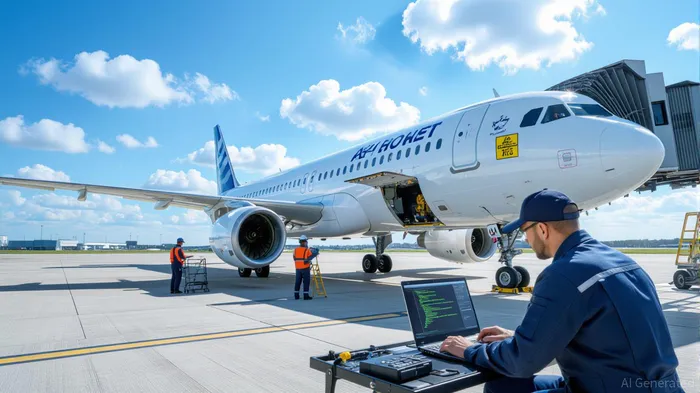
The root cause of the recall-a software vulnerability exacerbated by solar radiation-highlights the growing complexity of modern aviation systems. According to Reuters, . , the fix is relatively straightforward, , compounding existing logistical bottlenecks. This comes as airlines are already grappling with post-pandemic challenges, including engine repairs and staffing shortages. The timing is particularly precarious for U.S. carriers, which have prioritized minimizing disruptions during the holiday travel season, according to market analysis.
Supply Chain Vulnerabilities in the Post-Pandemic Era
The A320 recall is not an isolated incident but a symptom of broader supply chain fragility. report , citing trade tensions, labor shortages, and geopolitical fragmentation as key risks. These challenges are compounded by the sector's reliance on just-in-time manufacturing and globalized sourcing networks, which lack the redundancy needed to absorb shocks.
For instance, the U.S. according to industry analysis. The decoupling of U.S. and Chinese supply chains, meanwhile, according to industry experts. These factors create a perfect storm: when a crisis like the A320 recall occurs, , .
Geopolitical Pressures and Systemic Risks
The recall also amplifies concerns about geopolitical dependencies. As noted by CNBC, , according to regional reports. This mirrors broader trends in aerospace, . The Atlantic Council report warns .
Investors must also consider the knock-on effects for related industries. , tourism, and even defense programs. For example, the U.S. according to industry analysis, .
Investment Implications: Navigating the New Normal
For investors, . ,
1. , , .
2. : .
3. according to industry experts.
. As Bloomberg has noted, , . However, such measures may be necessary to rebuild consumer confidence and ensure long-term stability.
Conclusion
. , , . For investors, . As the sector navigates this turbulent phase, companies that prioritize adaptability and transparency will be best positioned to weather the storms ahead.







Comentarios
Aún no hay comentarios