
Airbus A320 Crisis and Aviation Sector Risk: Supply Chain Vulnerabilities and Operator Exposure in the Narrow-Body Jet Market
Supply Chain Disruptions: A Systemic Crisis
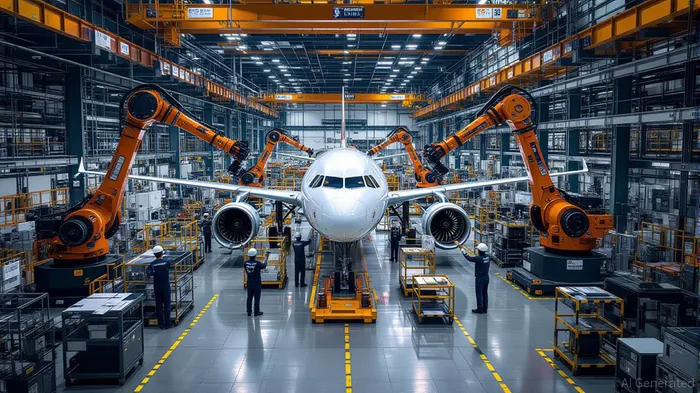
Airbus's A320neo production has been hamstrung by a confluence of factors. Engine shortages, particularly from suppliers like CFM International and Pratt & Whitney, . Labor strikes, regulatory hurdles, and just-in-time manufacturing constraints have exacerbated these delays. Meanwhile, aerostructure and cabin component shortages have further strained production consistency according to market analysis.
The ripple effects are profound. Airbus revised its 2024 delivery target . By July 2025, deliveries had already declined by . These delays are not isolated to Airbus; 70% of industry players cite supply chain resilience as their top concern.
Operator Exposure: Airlines Caught in the Crossfire
Airlines reliant on Airbus's narrow-body jets are bearing the brunt of these disruptions. Low-cost carriers such as Spirit and Frontier Airlines have been particularly hard-hit. , while Frontier deferred nine A321neo deliveries , . These adjustments highlight the fragility of fleet planning in an environment of prolonged uncertainty.
The financial implications are staggering. According to IATA, . This figure accounts for increased fuel costs from operating older, less efficient aircraft, higher maintenance expenses, and elevated engine leasing costs. Airlines are now extending the operational life of aging fleets-a stopgap measure that .
Financial and Strategic Implications for the Sector
The crisis has also exposed the aviation sector's overreliance on a narrow set of suppliers and manufacturing hubs. For instance, the continued use of Russian titanium in aerospace production remains a geopolitical risk. Meanwhile, Airbus's Q3 2025 results revealed , . The company's 2027 goal to increase A320 production to 75 aircraft per month now appears aspirational given supplier constraints.
Investors must also consider the indirect costs of these delays. Airlines are deferring orders rather than canceling them outright, which could stabilize delivery rates but prolong the industry's pain. However, this strategy , as deferred aircraft flood the market, .
Industry Response and the Path Forward
Experts advocate for systemic reforms to mitigate future risks. The Roland Berger 2025 report emphasizes the need for enhanced supply chain visibility, predictive maintenance technologies, and diversified supplier networks. Opening the aftermarket to increase parts accessibility is another proposed solution. Airbus itself has signaled a pivot toward digital manufacturing and supplier collaboration to address bottlenecks.
Yet, progress remains uneven. While acknowledges that most suppliers are meeting deadlines, engine manufacturers continue to lag. Tariff impacts in Q4 2025. For Boeing, the situation is equally dire, with production delays and safety scrutiny compounding its challenges.
Conclusion: A Call for Resilience
The Airbus A320 crisis is a microcosm of broader vulnerabilities in the aviation sector. For investors, the key takeaway is clear: supply chain resilience is no longer a secondary concern but a existential imperative. Airlines and manufacturers must prioritize diversification, digitalization, and contingency planning to navigate an era of persistent disruptions. Until these systemic issues are addressed, the narrow-body jet market-and the investors who bet on it-will remain exposed to a volatile and unpredictable landscape.







Comentarios
Aún no hay comentarios