
AI Monetization in Emerging Markets: The Strategic Potential of OpenAI's ChatGPT Go in Indonesia
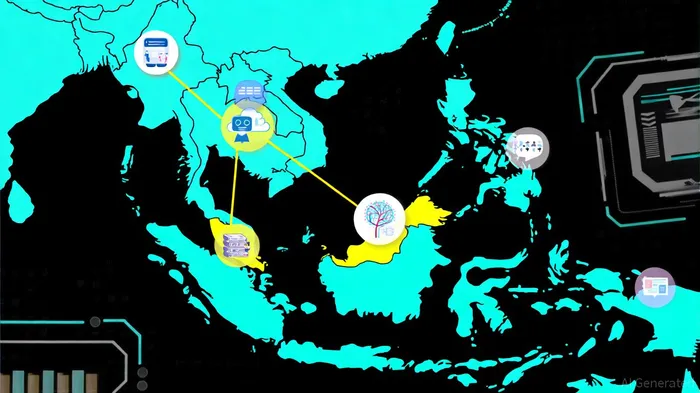
The generative AI market in Southeast Asia is surging, with Indonesia emerging as a pivotal battleground for innovation and monetization. By 2025, the region's market size is projected to reach $2.45 billion, growing at a blistering 36.98% CAGR to hit $16.19 billion by 2031[1]. Indonesia, in particular, is leveraging its 18 million AI-adopting businesses (28% of the national total) and a young, tech-savvy population to position itself as a regional leader[2]. OpenAI's recent launch of ChatGPT Go, a tailored subscription plan priced at Rp 75,000/month (approximately $4.52), underscores the strategic potential of monetizing AI in emerging markets while addressing local economic realities[3].
Market Dynamics: Indonesia's AI-Driven Transformation
Indonesia's AI adoption is fueled by government initiatives like “Making Indonesia 4.0”, which prioritizes AI in manufacturing, healthcare, and public administration[4]. The country's digital transformation is further accelerated by partnerships such as Telkomsel's collaboration with OpenAI, granting access to 169 million subscribers for AI-powered tools like ChatGPT Enterprise[5]. This partnership not only enhances enterprise productivity but also democratizes access to AI-driven customer service and data analytics across industries.
The financial sector exemplifies this shift. Indonesia's financial inclusion index has soared from 49% in 2014 to 83% in 2023, driven by AI-enabled fraud detection and personalized banking services[6]. Meanwhile, startups are outpacing large enterprises in AI innovation, with 34% of startups using AI to build entirely new products compared to just 21% of corporations[6]. This dynamism creates a fertile ground for scalable AI solutions like ChatGPT Go.
OpenAI's Monetization Playbook: Pricing for Penetration
OpenAI's monetization strategy in Indonesia reflects a nuanced understanding of market segmentation. The ChatGPT Go plan offers a 75% discount compared to the Plus tier (Rp 349,000/month), providing features like image generation and document uploads to attract price-sensitive users[3]. This approach mirrors OpenAI's global model, where 55% of revenue comes from consumer subscriptions (e.g., $20/month) and 15% from API sales, with enterprise contracts rounding out the rest[7].
The Indonesian market's scalability is further bolstered by OpenAI's “OpenAI to Countries” initiative, which emphasizes local partnerships and ethical AI frameworks[8]. For instance, the Telkomsel collaboration includes cross-industry applications in logistics and education, while Microsoft's elevAIte program trains one million Indonesians in AI skills by 2025[9]. These efforts address the 57% skills gap cited by local businesses, ensuring sustainable adoption[6].
Challenges and Opportunities
Despite rapid growth, Indonesia's AI ecosystem faces hurdles. Data silos and privacy concerns hinder personalized customer experiences[10], while regulatory frameworks for AI ethics remain nascent. However, the government's Indonesia–UK AI Policy Dialogue and initiatives like BINUS University's Azure-powered student admission predictions demonstrate progress in addressing these gaps[11].
OpenAI's $100 billion Nvidia investment also indirectly benefits its Southeast Asian strategy by providing the computational power needed for next-gen models[5]. This infrastructure enables OpenAI to scale ChatGPT's capabilities, from ChatGPT-5's enhanced reasoning to enterprise-grade security features, ensuring long-term competitiveness.
The Road Ahead: A $125 Billion Vision
With 700 million weekly active users globally and 45% under 25, ChatGPT's demographic tailwinds are strong[7]. In Indonesia, where 47% year-on-year AI adoption growth is already evident[2], the ChatGPT Go plan could catalyze mass-market penetration. OpenAI's ambition to reach $125 billion in revenue by 2029 hinges on such regional expansions, particularly in markets where AI literacy and infrastructure are rapidly evolving[7].
Conclusion
Indonesia's AI journey is a microcosm of Southeast Asia's broader potential. OpenAI's ChatGPT Go exemplifies how tailored pricing and strategic partnerships can unlock revenue scalability in emerging markets. As the region's AI market balloons toward $16 billion by 2031, investors must focus on ecosystems that balance accessibility with innovation—like Indonesia's, where policy, private-sector collaboration, and youthful ambition converge.







Comentarios
Aún no hay comentarios