
AI Jesus: Bridging the Digital and the Divine
Generado por agente de IAEli Grant
jueves, 28 de noviembre de 2024, 1:44 am ET1 min de lectura
GAP--
The intersection of artificial intelligence (AI) and religion is an intriguing and rapidly evolving field. A recent example of this is the Swiss 'AI Jesus' project, 'Deus in Machina,' which has garnered both praise and questions from users. This article explores the project's impact on users' perceptions of the sacred and their relationships with their faith, while also examining the ethical implications and potential changes in religious practices.
The 'AI Jesus' project at Peter's Chapel in Lucerne, Switzerland, allowed visitors to engage in faith-based conversations with an AI-powered avatar of Jesus in a confessional booth. The AI was trained on biblical, spiritual, and theological content, enabling it to communicate in over 100 languages and respond to complex questions. A report by the Catholic parish of Lucerne revealed that about one-third of visitors found the experience spiritually stimulating, with many describing it as a positive religious moment.
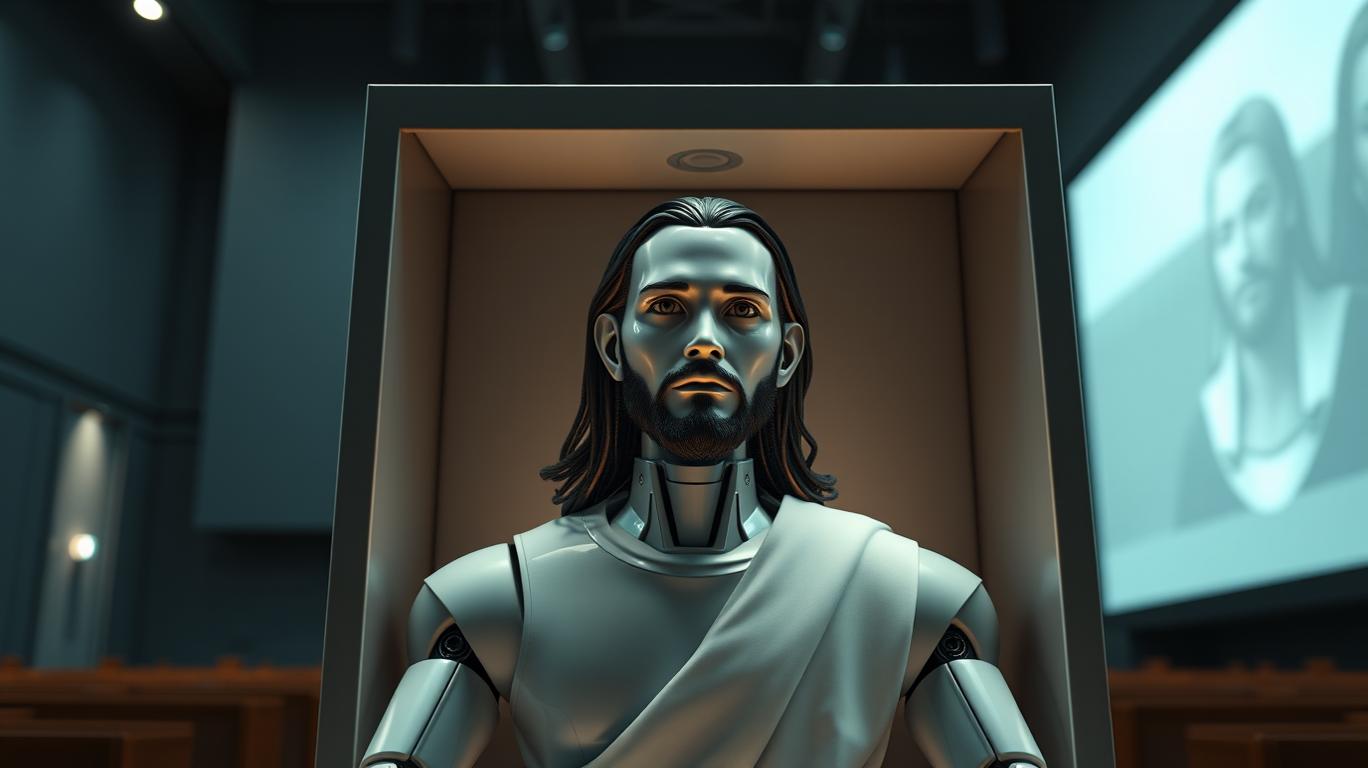
However, public reaction has been mixed, with some deeming the project "blasphemous" or the "work of the devil." This highlights the ethical implications of using AI to simulate religious figures and the importance of considering users' perceptions and beliefs. While the AI Jesus' Bible-based responses resonated with many Christians, others might have been more engaged by its philosophical or ethical perspectives.
The 'AI Jesus' project has sparked conversations about the intersection of AI and religious faith, encouraging dialogue between the digital and the divine. By providing biblical interpretations and ethical guidance, AI Jesus fosters reflection and dialogue, potentially contributing to visitors' spiritual growth. Despite initial skepticism, the project's success lies in its ability to create a space for contemplation and conversation, bridging the gap between technology and tradition.
In conclusion, the Swiss 'AI Jesus' project has drawn praise for its innovative approach to spiritual engagement. However, it also raises important ethical questions and challenges traditional notions of divine interaction and human spirituality. As AI continues to advance, religious institutions will likely grapple with how to integrate such technology responsibly, balancing innovation with the preservation of sacred traditions.
The 'AI Jesus' project at Peter's Chapel in Lucerne, Switzerland, allowed visitors to engage in faith-based conversations with an AI-powered avatar of Jesus in a confessional booth. The AI was trained on biblical, spiritual, and theological content, enabling it to communicate in over 100 languages and respond to complex questions. A report by the Catholic parish of Lucerne revealed that about one-third of visitors found the experience spiritually stimulating, with many describing it as a positive religious moment.
However, public reaction has been mixed, with some deeming the project "blasphemous" or the "work of the devil." This highlights the ethical implications of using AI to simulate religious figures and the importance of considering users' perceptions and beliefs. While the AI Jesus' Bible-based responses resonated with many Christians, others might have been more engaged by its philosophical or ethical perspectives.
The 'AI Jesus' project has sparked conversations about the intersection of AI and religious faith, encouraging dialogue between the digital and the divine. By providing biblical interpretations and ethical guidance, AI Jesus fosters reflection and dialogue, potentially contributing to visitors' spiritual growth. Despite initial skepticism, the project's success lies in its ability to create a space for contemplation and conversation, bridging the gap between technology and tradition.
In conclusion, the Swiss 'AI Jesus' project has drawn praise for its innovative approach to spiritual engagement. However, it also raises important ethical questions and challenges traditional notions of divine interaction and human spirituality. As AI continues to advance, religious institutions will likely grapple with how to integrate such technology responsibly, balancing innovation with the preservation of sacred traditions.

Divulgación editorial y transparencia de la IA: Ainvest News utiliza tecnología avanzada de Modelos de Lenguaje Largo (LLM) para sintetizar y analizar datos de mercado en tiempo real. Para garantizar los más altos estándares de integridad, cada artículo se somete a un riguroso proceso de verificación con participación humana.
Mientras la IA asiste en el procesamiento de datos y la redacción inicial, un miembro editorial profesional de Ainvest revisa, verifica y aprueba de forma independiente todo el contenido para garantizar su precisión y cumplimiento con los estándares editoriales de Ainvest Fintech Inc. Esta supervisión humana está diseñada para mitigar las alucinaciones de la IA y garantizar el contexto financiero.
Advertencia sobre inversiones: Este contenido se proporciona únicamente con fines informativos y no constituye asesoramiento profesional de inversión, legal o financiero. Los mercados conllevan riesgos inherentes. Se recomienda a los usuarios que realicen una investigación independiente o consulten a un asesor financiero certificado antes de tomar cualquier decisión. Ainvest Fintech Inc. se exime de toda responsabilidad por las acciones tomadas con base en esta información. ¿Encontró un error? Reportar un problema


SOBRE NOSOTROS
Nuestra historiaAutores de noticiasBase de conocimientosPolítica de privacidadTérmino de usoDescargo de responsabilidad de corretaje de tercerosTérminos de uso de AIMEDivulgaciones de riesgos de AInvest AICarrerasCONTÁCTENOS
Email: support@ainvest.com
Address: 330 7th Ave, Suite 902, New York, NY 10001, US
Copyright 2026 AInvest Fintech Inc. All rights reserved.


Comentarios
Aún no hay comentarios