
AI-Driven Brand Transformation: LG's Strategic Path to Long-Term Value Creation in the Consumer Sector
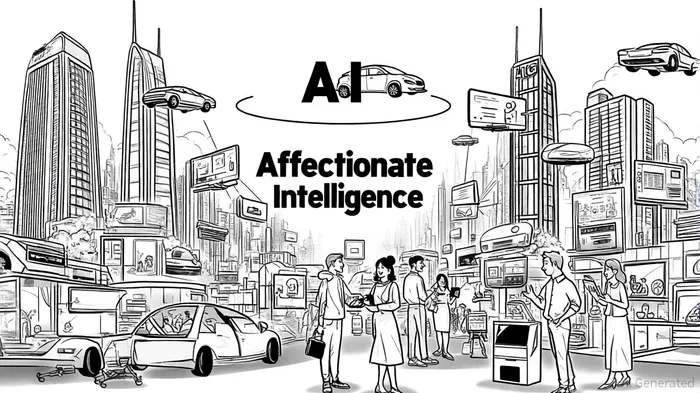
In an era where artificial intelligence (AI) is reshaping industries, consumer brands face a pivotal challenge: how to leverage AI not just for operational efficiency but to forge deeper emotional and functional connections with customers. LG Electronics, a global leader in consumer technology, has emerged as a trailblazer in this space. By redefining AI as “Affectionate Intelligence,” LG has transformed its brand identity and customer engagement strategies, creating a blueprint for long-term value creation in the AI-driven consumer sector.
Emotional and Functional Brand Loyalty Through AI
LG's 2025 marketing campaigns exemplify how AI can be harnessed to blend emotional storytelling with functional innovation. The “Radio Optimism” campaign, for instance, uses AI-generated music to create personalized songs and album art for users, enabling them to share unique, meaningful content with loved ones[1]. This initiative aligns with LG's “Life's Good” brand promise, which emphasizes human connection in a digitally fragmented world[5]. By tapping into the psychological need for belonging, LG has turned AI into a tool for emotional resonance rather than mere product differentiation.
Functionally, LG's AI-driven appliances, such as the MoodUP™ refrigerator and AI Direct Drive Motor™ washing machines, offer hyper-personalized experiences. These products adapt to user preferences and behaviors, reducing friction in daily routines while reinforcing brand loyalty[5]. The “Less Artificial, More Human” brand film further underscores this philosophy, showcasing AI as an empathetic force that enhances, rather than replaces, human interactions[2].
Financial Performance and Strategic Investments
LG's AI strategies are not just creative—they are financially grounded. In Q2 2025, the company reported consolidated revenue of KRW 20.74 trillion, with its non-hardware businesses, including webOS-based advertising and content services, contributing stable profits despite global market softness[1]. The Vehicle Solution (VS) and Eco Solution (ES) companies achieved record results, with the VS Company reporting its highest-ever operating profit of KRW 126.2 billion[1]. This resilience highlights LG's shift toward high-margin, platform-based services, which are less volatile than traditional hardware sales.
Investment in AI and robotics is central to LG's long-term growth. The company aims to achieve over 30% efficiency gains within three years through AI-driven automation and is expanding into AI data centers via energy-efficient HVAC systems[4]. Additionally, LG's “3B” strategy—Build, Borrow, Buy—ensures it secures cutting-edge technologies through internal R&D, partnerships, and acquisitions[5]. Collaborations with Microsoft and the acquisition of Athom, a smart home platform, exemplify this approach, enabling cross-brand compatibility and ecosystem expansion[5].
Competitive Advantage and Market Position
LG's rebranding as a “smart life solutions company” has elevated its competitive edge. According to Interbrand, LG's brand value surged from $3.1 billion in 2022 to $6.5 billion in 2024, reflecting its successful pivot to AI-driven innovation[1]. The company's subscription services, which include device care and on-site services, grew 75% year-on-year in 2024 and are projected to triple in revenue by 2030[5]. This shift aligns with broader industry trends: global AI spending is expected to grow at a 29% CAGR from 2024 to 2028, per Deloitte[2], underscoring the scalability of LG's AI-centric model.
Moreover, LG's B2B operations, particularly in HVAC and automotive components, are becoming critical revenue drivers. By 2030, B2B is expected to account for 45% of total revenue, up from 35% in 2024[5]. This diversification reduces reliance on consumer electronics and positions LG to capitalize on AI infrastructure demands in sectors like data centers and smart cities.
Conclusion
LG's AI-driven brand transformation is a masterclass in aligning technological innovation with human-centric values. By prioritizing emotional storytelling, functional personalization, and strategic financial reallocation, LG has not only strengthened brand loyalty but also secured a competitive edge in a rapidly evolving market. For investors, the company's focus on platform-based services, B2B expansion, and AI R&D signals a sustainable path to long-term value creation. As AI becomes the cornerstone of consumer technology, LG's “Affectionate Intelligence” vision positions it as a leader in shaping the future of smart living.







Comentarios
Aún no hay comentarios