
AI and Automation: The New Blueprint for Construction
Generado por agente de IAHarrison Brooks
lunes, 7 de abril de 2025, 11:20 am ET2 min de lectura
PCOR--
The construction industry is on the cusp of a revolution, driven by the relentless march of artificial intelligence (AI) and automation. Procore's Future State of Construction Report for 2025 paints a vivid picture of an industry transformed, where AI agents handle repetitive tasks, generative AI makes software interactions intuitive, and data-driven decision-making becomes the norm. But as the industry embraces these technological marvels, it must also grapple with the ethical and practical challenges they present.
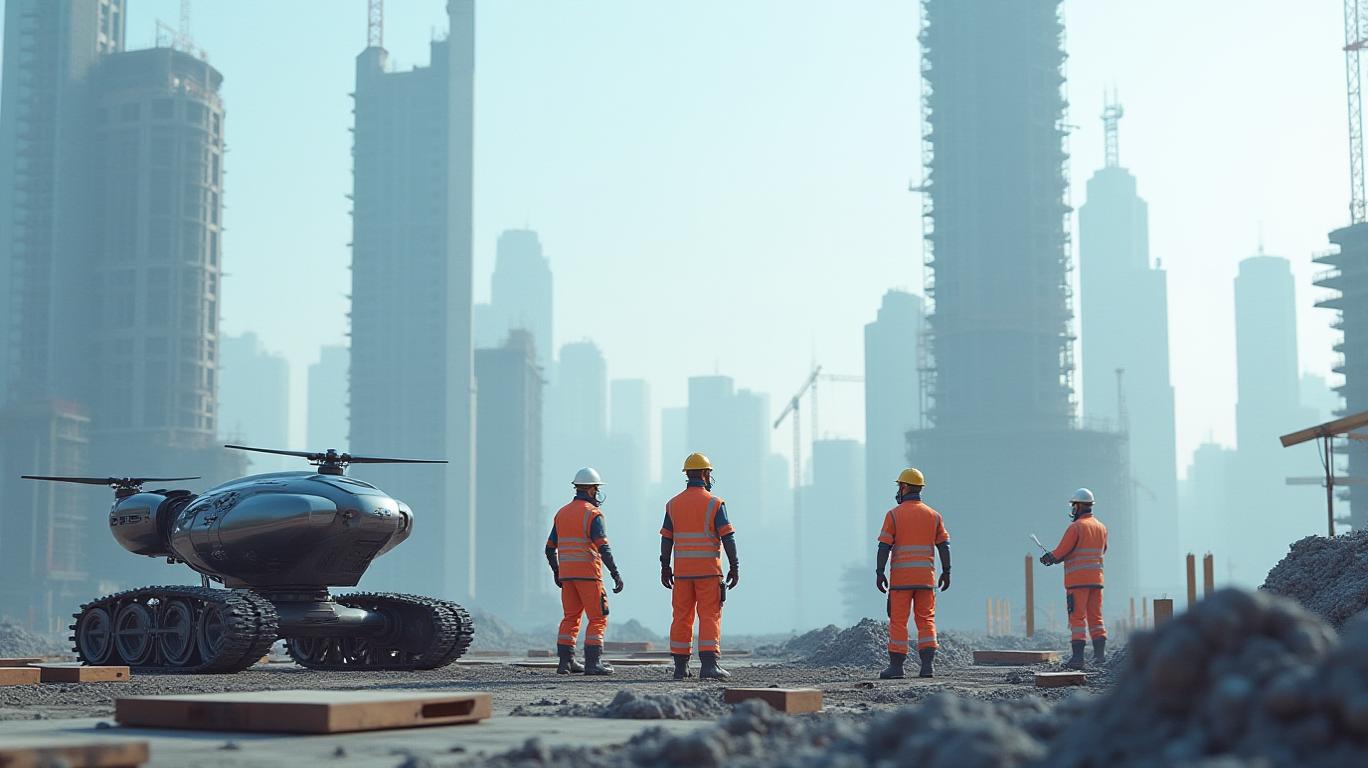
The report highlights how AI is automating workflows, enhancing software interactions, and transforming workforce development. AI agents are taking over tasks such as drafting RFIs, design, and project setup, freeing up human workers to focus on more impactful work. Generative AI, in particular, is set to revolutionize how construction professionals interact with software platforms, making them more intuitive through natural language commands. This shift is not just about efficiency; it's about redefining what it means to work in construction.
However, the integration of AI and automation in the construction industry is not without its risks. The report acknowledges the potential for workforce displacement as low-skill labor becomes obsolete. The Associated Builders and Contractors organization projects that 450,000 new workers will be needed by 2025, a gap that upskilling and reskilling initiatives aim to fill. Companies like McCarthy are leading the charge with hands-on training and apprenticeship programs, but the success of these efforts hinges on sustained investment and adaptability.
The report also underscores the importance of data-driven decision-making. By 2025, project data will take center stage, automating workflows, identifying risks, and recommending next steps based on historical and real-time data. Predictive systems will leverage insights from thousands of completed projects to help prevent costly mistakes and optimize resources. This data-driven approach promises to enhance efficiency and precision, reshaping how projects are completed. However, it also raises concerns about data dependency and quality issues, as AI systems rely on high-quality data for accuracy.
The report's predictions for the future of the workforce are equally compelling. As the industry struggles with labor shortages, upskilling and reskilling initiatives will become a key strategy to fill the gapGAP--. Addressing the labor shortage requires more than quick fixes; it demands a strategic investment in people. This year, contractors will increasingly act as educators, empowering workers through training programs that not only enhance their skills but also help retain talent in a competitive market.
The construction industry is at a crossroads, and the choices it makes today will shape its future. The integration of AI and automation promises transformative productivity and efficiency gains, but it also presents significant risks and challenges. The industry's success hinges on balancing technological adoption with human capital development, ensuring that the benefits of AI and automation are shared equitably and sustainably. As the industry embraces this new era, it must also remain vigilant, addressing the ethical and practical challenges that lie ahead.
The construction industry is on the cusp of a revolution, driven by the relentless march of artificial intelligence (AI) and automation. Procore's Future State of Construction Report for 2025 paints a vivid picture of an industry transformed, where AI agents handle repetitive tasks, generative AI makes software interactions intuitive, and data-driven decision-making becomes the norm. But as the industry embraces these technological marvels, it must also grapple with the ethical and practical challenges they present.
The report highlights how AI is automating workflows, enhancing software interactions, and transforming workforce development. AI agents are taking over tasks such as drafting RFIs, design, and project setup, freeing up human workers to focus on more impactful work. Generative AI, in particular, is set to revolutionize how construction professionals interact with software platforms, making them more intuitive through natural language commands. This shift is not just about efficiency; it's about redefining what it means to work in construction.
However, the integration of AI and automation in the construction industry is not without its risks. The report acknowledges the potential for workforce displacement as low-skill labor becomes obsolete. The Associated Builders and Contractors organization projects that 450,000 new workers will be needed by 2025, a gap that upskilling and reskilling initiatives aim to fill. Companies like McCarthy are leading the charge with hands-on training and apprenticeship programs, but the success of these efforts hinges on sustained investment and adaptability.
The report also underscores the importance of data-driven decision-making. By 2025, project data will take center stage, automating workflows, identifying risks, and recommending next steps based on historical and real-time data. Predictive systems will leverage insights from thousands of completed projects to help prevent costly mistakes and optimize resources. This data-driven approach promises to enhance efficiency and precision, reshaping how projects are completed. However, it also raises concerns about data dependency and quality issues, as AI systems rely on high-quality data for accuracy.
The report's predictions for the future of the workforce are equally compelling. As the industry struggles with labor shortages, upskilling and reskilling initiatives will become a key strategy to fill the gapGAP--. Addressing the labor shortage requires more than quick fixes; it demands a strategic investment in people. This year, contractors will increasingly act as educators, empowering workers through training programs that not only enhance their skills but also help retain talent in a competitive market.
The construction industry is at a crossroads, and the choices it makes today will shape its future. The integration of AI and automation promises transformative productivity and efficiency gains, but it also presents significant risks and challenges. The industry's success hinges on balancing technological adoption with human capital development, ensuring that the benefits of AI and automation are shared equitably and sustainably. As the industry embraces this new era, it must also remain vigilant, addressing the ethical and practical challenges that lie ahead.

Divulgación editorial y transparencia de la IA: Ainvest News utiliza tecnología avanzada de Modelos de Lenguaje Largo (LLM) para sintetizar y analizar datos de mercado en tiempo real. Para garantizar los más altos estándares de integridad, cada artículo se somete a un riguroso proceso de verificación con participación humana.
Mientras la IA asiste en el procesamiento de datos y la redacción inicial, un miembro editorial profesional de Ainvest revisa, verifica y aprueba de forma independiente todo el contenido para garantizar su precisión y cumplimiento con los estándares editoriales de Ainvest Fintech Inc. Esta supervisión humana está diseñada para mitigar las alucinaciones de la IA y garantizar el contexto financiero.
Advertencia sobre inversiones: Este contenido se proporciona únicamente con fines informativos y no constituye asesoramiento profesional de inversión, legal o financiero. Los mercados conllevan riesgos inherentes. Se recomienda a los usuarios que realicen una investigación independiente o consulten a un asesor financiero certificado antes de tomar cualquier decisión. Ainvest Fintech Inc. se exime de toda responsabilidad por las acciones tomadas con base en esta información. ¿Encontró un error? Reportar un problema




Comentarios
Aún no hay comentarios