
Aging Populations and the Rise of Dignity-Driven Eldercare: Unlocking Investment Opportunities in Emotional Well-Being and Innovation
The global demographic landscape is undergoing a seismic shift as aging populations expand at an unprecedented rate. By 2025, the U.S. Census reports that the 80+ demographic alone will reach 14.7 million individuals, a figure projected to nearly double by 2035. This surge is reshaping the senior living and eldercare industries, creating both challenges and opportunities. While demand for senior housing outpaces supply, the sector is also witnessing a paradigm shift: a growing emphasis on emotional well-being, dignity, and holistic care models. These trends, rooted in evolving cultural perceptions of aging and historical insights from works like Winter Dreams, are unlocking untapped value in emotionally responsive eldercare innovations.
Demographic Pressures and the Senior Housing Gap
The aging population's rapid growth has intensified demand for senior living facilities, yet supply remains constrained. High construction costs, capital limitations, and regulatory hurdles have left a critical inventory gap, with occupancy rates and rent growth outpacing new development according to NIC analysis. For instance, the National Investment Center for the Seniors Housing and Care (NIC) notes that developers face a "favorable credit outlook" but must navigate economic and political uncertainties to meet demand as reported by NIC. This imbalance underscores the urgency for scalable solutions that address not just housing but the broader emotional and social needs of seniors.
Cultural Perceptions and the Evolution of Eldercare
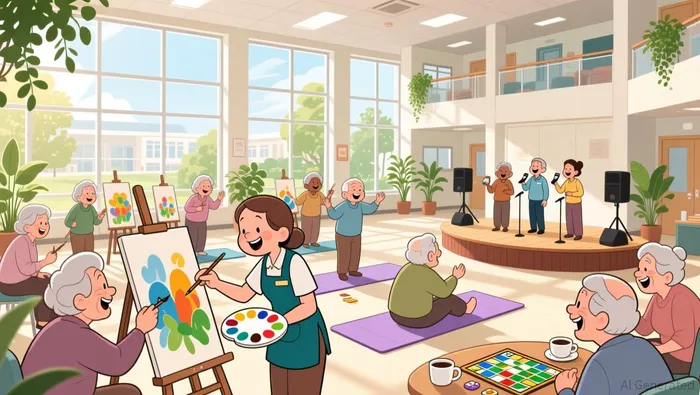 Cultural attitudes toward aging, as explored in Winter Dreams: A Historical Guide to Old Age, reveal how societal values shape eldercare demand. In Western cultures, aging is often stigmatized, leading to institutional care models that prioritize independence and productivity over communal support according to research. Conversely, collectivist societies in East Asia and Latin America emphasize multigenerational living, fostering emotional well-being through family integration as studies show. These contrasts highlight a global trend: as Western societies grapple with isolation and loneliness among the elderly, there is increasing demand for care models that blend dignity, social engagement, and holistic wellness according to SLF Investments.
Historical analysis in Winter Dreams further illustrates how perceptions of aging have shifted. Ancient Rome revered the elderly for their wisdom, while medieval Christian societies viewed them as spiritually significant as detailed in the book. Modern Western cultures, however, often frame aging through a lens of dependency, stigmatizing those reliant on government systems as literary analysis reveals. This cultural tension has spurred a renaissance in eldercare design, with communities now prioritizing wellness programs, technology integration, and social connectivity to counteract isolation according to SLF Investments.
Emotionally Responsive Innovations and Financial Viability
The rise of emotionally responsive eldercare technologies is a testament to this shift. From 2020 to 2025, the AI in aging market has grown from $47.4 billion to an estimated $322.4 billion by 2034, driven by demand for companionship, health monitoring, and personalized assistance. Assistive robots like ElliQ, developed by Intuition Robotics, use generative AI to engage seniors in natural conversations, addressing loneliness while monitoring health metrics as reported by Grand View Research. Similarly, physical assistive robots such as Robear and RIBA reduce caregiver strain by aiding mobility and repositioning tasks according to Inkwood Research.
Financial performance metrics underscore the sector's potential. The eldercare assistive robots market, valued at $3.2 billion in 2025, is projected to reach $10.2 billion by 2035, with a 12.4% CAGR according to Future Market Insights. These technologies not only enhance resident well-being but also improve operational efficiency for providers, reducing labor costs and improving staffing optimization through predictive analytics as CLA Connect notes.
Untapped Opportunities in Dignity-Driven Care
Cultural shifts in aging perceptions are creating new investment avenues. As OECD countries confront rising retirement ages and workforce participation gaps, eldercare models that integrate employment and lifelong learning for older adults are gaining traction according to OECD analysis. For example, programs enabling seniors to remain in the workforce or engage in community-based roles align with collectivist values while addressing labor shortages.
Additionally, the demand for chronic condition management and technology-enabled health solutions is surging. The OECD notes that older workers with long-term health conditions face disparities in employment, highlighting opportunities for investors in home care, telehealth, and AI-driven diagnostics as documented in medical literature. These innovations not only cater to medical needs but also reinforce dignity by empowering seniors to age in place.
Conclusion: A Call for Strategic Investment
The convergence of demographic trends, cultural evolution, and technological innovation is redefining eldercare. Investors who prioritize emotionally responsive, dignity-focused models stand to benefit from a sector poised for exponential growth. By aligning with the values of an aging population that demands both physical and emotional well-being, stakeholders can address critical gaps while capturing long-term value. As the senior living industry navigates this transformative era, the imperative is clear: innovate with empathy, and invest in the future of aging.







Comentarios
Aún no hay comentarios