
Aging Population-Driven Healthcare Innovation: Longevity Stocks and Social Infrastructure Adaptation
The Medical Device Boom: Chronic Disease and Aging Infrastructure
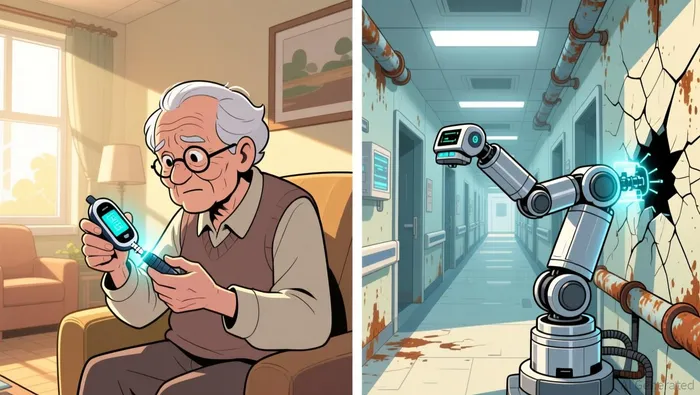
The rise in age-related conditions such as diabetes and chronic obstructive pulmonary disease (COPD) is directly driving demand for specialized medical devices. Japan's insulin pen market, for instance, is projected to grow at a 6.03% CAGR from $304.26 million in 2024 to $515.35 million by 2033, as elderly patients increasingly favor these devices for their precision and ease of use. Similarly, the global medical suction devices market-critical for respiratory care-is expanding at 5.02% CAGR, driven by aging populations and rising surgical procedures.
Aging infrastructure further amplifies these trends. The asset integrity management market, valued at $29.16 billion in 2024, is growing at 5.38% CAGR as healthcare systems invest in predictive maintenance and non-destructive testing to manage aging facilities and equipment. This underscores a broader need for infrastructure adaptation, from hospital equipment to community care facilities, to support an aging demographic.
Geriatric Medicine and the Rise of Value-Based Care
Dr. Rosanne Leipzig, a leading voice in geriatric medicine, has long advocated for care models that prioritize patient-centered outcomes. Her work highlights the importance of value-based care (VBC), which shifts focus from fee-for-service to cost-effective, personalized treatment pathways. Recent partnerships, such as Outcomes Matter Innovations (OMI) and Regional Cancer Care Associates (RCCA) launching an Oncology VBC program, exemplify this shift. By leveraging real-time decision-support tools, these initiatives reduce costs while improving outcomes for elderly patients with complex conditions.
Dr. Leipzig's emphasis on "quarterbacking" care-coordinating multidisciplinary teams to align treatments with patient goals-resonates with the needs of aging populations. Her research on cognitive behavioral therapy for insomnia in geriatric care further illustrates how evidence-based innovations can address unmet needs in chronic disease management according to her work.
Community-Based Care: The Future of Longevity-Focused Investment
Community-based care models are gaining traction as a scalable solution for aging populations. OMI's collaboration with RCCA to deliver oncology care through community sites-rather than centralized hospitals-reduces costs and improves access for elderly patients. This approach mirrors broader trends in geriatric care, where home-based and community-driven services are increasingly favored over institutional care.
Investors should consider companies that integrate assistive technologies into these models. For example, wearable health monitors, AI-driven medication management systems, and telehealth platforms are critical enablers of decentralized care. The success of such innovations hinges on partnerships between tech firms, healthcare providers, and policymakers-a dynamic that longevity-focused stocks are beginning to capitalize on.
Strategic Implications for Investors
The aging population is not a temporary trend but a structural shift with profound economic implications. Investors who align with this reality should prioritize:
1. Medical Device Manufacturers: Firms innovating in diabetes management, respiratory care, and portable diagnostics.
2. Healthcare Infrastructure Providers: Companies specializing in predictive maintenance and asset integrity management.
3. Value-Based Care Platforms: Startups and established firms leveraging data analytics to optimize geriatric care delivery.
As Dr. Leipzig notes, the future of healthcare lies in "providing appropriate and meaningful care" aligned with patient values. For investors, this means backing companies that bridge the gap between aging demographics and adaptive, technology-driven solutions.







Comentarios
Aún no hay comentarios