
African Language Tech: The Untapped $20B Market Fueling Cultural Reclamation
The cultural renaissance sweeping across Africa is not just about preserving heritage—it's a $20 billion investment opportunity. At the heart of this movement is the legacy of Ngũgĩ wa Thiong'o, whose advocacy for linguistic decolonization has ignited a surge in demand for African-language media and education technology. From Kenya to Nigeria, startups and tech giants are racing to capitalize on a demographic and cultural shift that's rewriting the rules of global education and content creation.
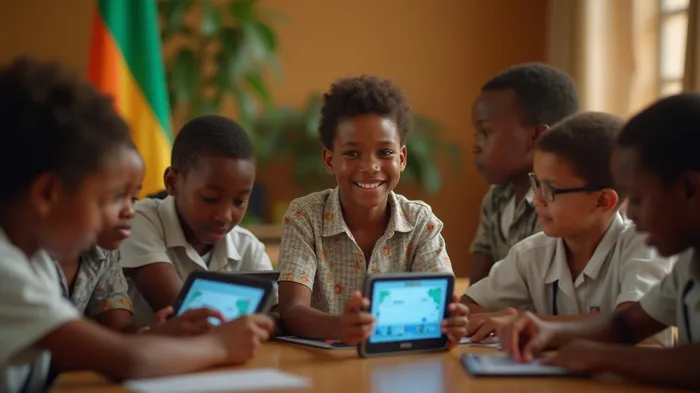
The Ngũgĩ Effect: From Literature to Market Disruption
Ngũgĩ's 1986 manifesto Decolonising the Mind argued that Africa's intellectual liberation requires rejecting colonial languages in favor of indigenous tongues. Today, this ideology is fueling a tech boom. Education systems in 18 African countries now mandate mother-tongue instruction for early learners, a direct result of his advocacy. This policy shift has created a $3.4 billion African e-learning market in 2024, projected to hit $19.76 billion by 2034 ().
The demand isn't just about ethics—it's economics. Over 1.2 billion Africans speak 2,000+ languages, yet only 7% of global digital content is in African languages. Companies like Google and Microsoft are scrambling to fill this gap, with Google adding Luganda, Kinyarwanda, and Zulu to its platforms by 2023. But the real goldmine lies in startups like Eneza Education (Kenya) and uLesson (Nigeria), which offer SMS-based and app-driven learning in local languages. These platforms boast 30%+ annual user growth, outpacing global EdTech averages.
The Market's Hidden Multipliers
- Demographics: Africa's youth population (under 25) will hit 1 billion by 2050, creating a massive edtech audience.
- Policy Momentum: The African Union's 2022 adoption of Swahili as an official language signals broader support for linguistic diversity.
- Tech Infrastructure: Smartphone penetration in Africa reached 515 million users in 2022, with data costs dropping 50% since 2018 ().
Where to Invest Now
- Language Tech Platforms: Back startups like Andela (coding education in local languages) or Gebeya (tech talent training in Ethiopia), which blend skills development with cultural relevance.
- AI-Driven Localization: Companies using AI to translate textbooks or apps into minority languages (e.g., Siyavula in South Africa) are primed for scale.
- Public-Private Partnerships: Kenya's Digital Literacy Initiative and Rwanda's Microsoft Partners in Learning show how governments and tech firms can collaborate to build ecosystems.
Risks? Yes. But the Upside Outweighs Them
Critics cite fragmented markets and entrenched English/French dominance. True—but these are barriers to entry, not dealbreakers. The UNESCO International Decade of Indigenous Languages (2022–2032) ensures policy tailwinds, while climate refugees displaced by droughts and floods are driving demand for mobile-based education in rural areas.
Final Pitch: Buy the Dip, or Miss the Wave
The African language tech sector is at a tipping point. With Ngũgĩ's ideas now enshrined in policy and tech, this is a decadal opportunity to profit from cultural reclamation. Investors who ignore it risk missing out on a market set to grow 19% annually—double the pace of global EdTech.
The question isn't whether this trend will materialize—it's already here. The only question is: Will you be on the right side of history?
Data sources: African Development Bank, Statista, World Bank, company disclosures.







Comentarios
Aún no hay comentarios