
Adidas and Puma Stocks Plunge After Trump's Tariff Announcement
Generado por agente de IATheodore Quinn
jueves, 3 de abril de 2025, 3:29 am ET2 min de lectura
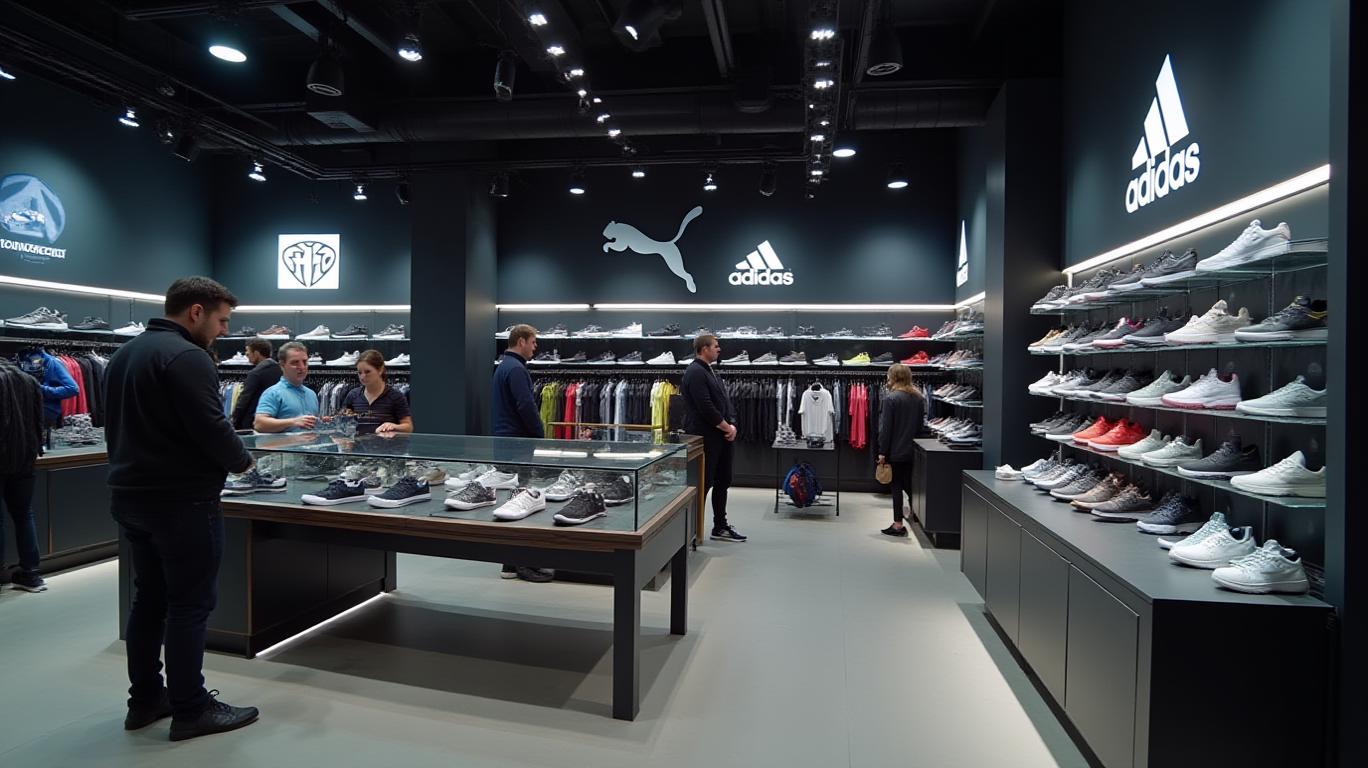
The sporting goods industry is reeling from the latest move by U.S. President Donald Trump, who imposed a raft of new tariffs on key sourcing markets for companies like Adidas and Puma. The European Union, Vietnam, Cambodia, Bangladesh, Indonesia, and China are all facing significant tariff increases, ranging from 20% to 54%. The immediate impact on the stock market has been dramatic, with Adidas shares dropping 9% and Puma shares plummeting 11% to their lowest levels in years.
The tariffs are a double-edged sword for these companies. On one hand, they increase the cost of sourcing materials and manufacturing products in these regions, which will inevitably lead to higher operational costs. On the other hand, they could force these companies to adapt their sourcing strategies, potentially leading to long-term benefits.
Adidas, which has been performing well under CEO Bjorn Gulden, reported better-than-expected preliminary results for the fourth quarter of 2024. The company's strong brand momentum and innovative product lines have helped it gain market share, particularly in the retro sneaker trend. However, the increased tariffs could slow down this momentum by increasing production costs and potentially leading to price increases for consumers.
Puma, on the other hand, has been struggling. The company reported disappointing fourth-quarter earnings and pushed back profitability targets. The additional tariff burden could further hinder Puma's ability to innovate and compete effectively in the market.
The tariffs could also exacerbate the existing performance disparities between the two companies. Adidas, with its stronger brand momentum and financial performance, may be better positioned to weather the storm. However, Puma, already struggling with financial and operational issues, could face even greater difficulties in the coming months.
One potential adaptation for these companies is to shift production to countries with lower or no tariffs. For example, companies like WayfairW-- have already started moving production to countries like Cambodia, Indonesia, Thailand, the Philippines, and Vietnam to avoid tariffs. Adidas and Puma could follow a similar strategy by diversifying their supply chain to include more production in countries with favorable tariff rates.
Additionally, companies may renegotiate contracts with suppliers to absorb some of the increased costs. As mentioned, "Funko Chief Financial Officer Yves LePendeven said the company, which is known for its big-eyed plastic collectibles called Pops, was working hard to control what it could in the year ahead. That includes trying to offset tariffs by 'renegotiating factory costs, accelerating our shift in production to other sourcing countries, and implementing pricing adjustments.'"
Furthermore, Adidas and Puma could invest in local manufacturing facilities in the U.S. or other countries with lower tariffs to reduce dependency on high-tariff regions. This would not only help in mitigating the financial burden but also align with the Trump administration's push for bringing manufacturing back to the U.S.
In conclusion, the recent tariff announcements are likely to exacerbate the existing performance disparities between Adidas and Puma. Adidas, with its stronger brand momentum and financial performance, may be better positioned to weather the storm, but it will still face significant challenges. Puma, already struggling with financial and operational issues, could face even greater difficulties in the coming months.



Divulgación editorial y transparencia de la IA: Ainvest News utiliza tecnología avanzada de Modelos de Lenguaje Largo (LLM) para sintetizar y analizar datos de mercado en tiempo real. Para garantizar los más altos estándares de integridad, cada artículo se somete a un riguroso proceso de verificación con participación humana.
Mientras la IA asiste en el procesamiento de datos y la redacción inicial, un miembro editorial profesional de Ainvest revisa, verifica y aprueba de forma independiente todo el contenido para garantizar su precisión y cumplimiento con los estándares editoriales de Ainvest Fintech Inc. Esta supervisión humana está diseñada para mitigar las alucinaciones de la IA y garantizar el contexto financiero.
Advertencia sobre inversiones: Este contenido se proporciona únicamente con fines informativos y no constituye asesoramiento profesional de inversión, legal o financiero. Los mercados conllevan riesgos inherentes. Se recomienda a los usuarios que realicen una investigación independiente o consulten a un asesor financiero certificado antes de tomar cualquier decisión. Ainvest Fintech Inc. se exime de toda responsabilidad por las acciones tomadas con base en esta información. ¿Encontró un error? Reportar un problema


SOBRE NOSOTROS
Nuestra historiaAutores de noticiasBase de conocimientosPolítica de privacidadTérmino de usoDescargo de responsabilidad de corretaje de tercerosTérminos de uso de AIMEDivulgaciones de riesgos de AInvest AICarrerasCONTÁCTENOS
Email: support@ainvest.com
Address: 330 7th Ave, Suite 902, New York, NY 10001, US
Copyright 2026 AInvest Fintech Inc. All rights reserved.


Comentarios
Aún no hay comentarios