
ADCs Are Believed To Be The Future of Cancer Treatment, And Pharma Giants Are Betting On Them
At the four-day J.P. Morgan Healthcare Conference in San Francisco, executives, analysts, and investors in the U.S. biotechnology and pharmaceutical industry expressed enthusiasm for Antibody Drug Conjugates (ADCs). These conjugates offer cancer therapies that specifically target and kill cancer cells while minimizing damage to healthy cells.
Last week, Johnson & Johnson announced its $2 billion acquisition of ADC developer Ambrx Biopharma to strengthen its existing ADC pipeline. Some researchers believe this may herald a new era in cancer treatment.
Other pharmaceutical manufacturers like Pfizer and Merck & Co. completed over 70 ADC-related transactions last year, indicating these drugs will become a key growth driver for their businesses.
Interest in these drugs is expected to continue this year, with more deals and progress expected for the ADCs currently in development.
William Blair & Company analyst Andy Hsieh stated that factors driving the recent rise in ADCs are not weakening and will likely prompt more companies to enter the field due to fear of missing out. These include increased confidence in ADC technology among companies and researchers, potentially extended market exclusivity for these drugs, and the rise of Asian ADC manufacturers.
These drugs also have the potential for substantial profits. According to drug market research firm Evaluate, ADCs could account for $31 billion of the global $375 billion cancer market by 2028. Another report by research firm Markets and Markets estimated that the market value of these drugs will be about $9.7 billion by 2023.
Merck executives announced during the conference that they expect sales of new anticancer drugs to reach $20 billion by the early to mid-2030s, thanks in part to its recent investment in ADCs. This is double the estimate the company provided at the same conference last year. The upward revision suggests Merck is very confident in the future of its cancer drug products.
The company highlighted its licensing agreement worth up to $5.5 billion with Japanese multinational original drug manufacturer, Daiichi Sankyo, to co-develop three experimental ADCs. It hopes to receive approval for one of the ADCs for treating non-small cell lung cancer this year.
Merck CEO Robert Davis said: We have a leading position now in antibody-drug conjugates, and we've done that through what I think is very smart deal-making. what all of that really translates to is the potential for growth.
Meanwhile, Pfizer hopes that ADCs will allow the company to return to profitability after a challenging 2023. Last year, due to weak demand for COVID-19-related products and other business missteps, the company's stock price fell about 40%.
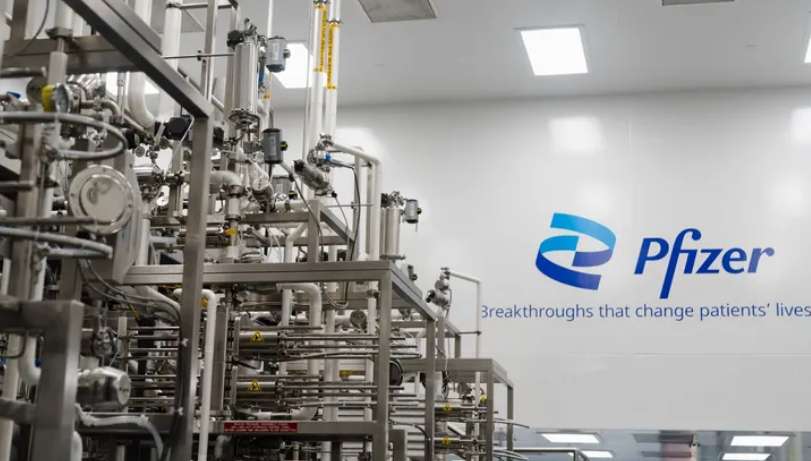
CEO Albert Bourla indicated the company completed the acquisition of ADC developer Seagen for $34 billion and this acquisition should help restore investor confidence in Pfizer.
Bourla noted that antibody-drug conjugates have become one of the hottest areas in cancer treatment. Seagen's expertise in ADCs will help Pfizer further develop these drugs and build its leadership position in cancer therapy.
Pfizer believes that by 2030, the acquisition of Seagen will generate over $10 billion in risk-adjusted sales revenue. Seagen's four approved cancer drugs, which include three ADCs, will enhance Pfizer's own ADC portfolio.





Comentarios
Aún no hay comentarios