
Acting Labor Secretary: Jobs Growth Stable, Trump Transition Uncertain
Generado por agente de IAWesley Park
viernes, 10 de enero de 2025, 11:30 am ET2 min de lectura
MASS--

Acting Labor Secretary Julie Su recently discussed the state of the US labor market, highlighting stable job growth and expressing cautious optimism about the future. As the nation braces for a potential Trump transition, Su's insights provide valuable context for understanding the potential impacts on the labor market and jobs growth.
Su emphasized that the US economy has seen consistent job growth, with the unemployment rate edging down to 4.2 percent in October 2025, its first decline in five months. This trend is a continuation of the strong job growth experienced under the previous administration, with the economy adding 76 consecutive months of job growth under President Obama and the streak continuing into Trump's presidency. In 2019, the unemployment rate fell to its lowest level in 50 years, 3.5%, and wage growth increased in 2018 and 2019.

The Acting Labor Secretary pointed to several sectors driving the stable jobs growth, including construction, healthcare, leisure and hospitality, and manufacturing. The construction industry had significant growth over the last month, while healthcare continues to see job growth due to an aging population and increased demand for services. The leisure and hospitality sector has also seen job growth as the tourism and hospitality industries recover from the COVID-19 pandemic. Although the manufacturing industry has seen a decline in jobs in recent months, the cumulative number of manufacturing jobs created since the Biden-Harris administration began is over 700,000.
As the nation looks ahead to a potential Trump transition, the labor market and jobs growth could be impacted by the proposed policies and changes in economic policy. Trump's proposed tax cuts and deregulation policies could have a positive impact on the labor market and jobs growth, encouraging businesses to invest more and hire more workers. However, his proposed immigration policies, including mass deportations, could have a negative impact on the labor market and jobs growth, leading to labor shortages and increased inflation in certain sectors.
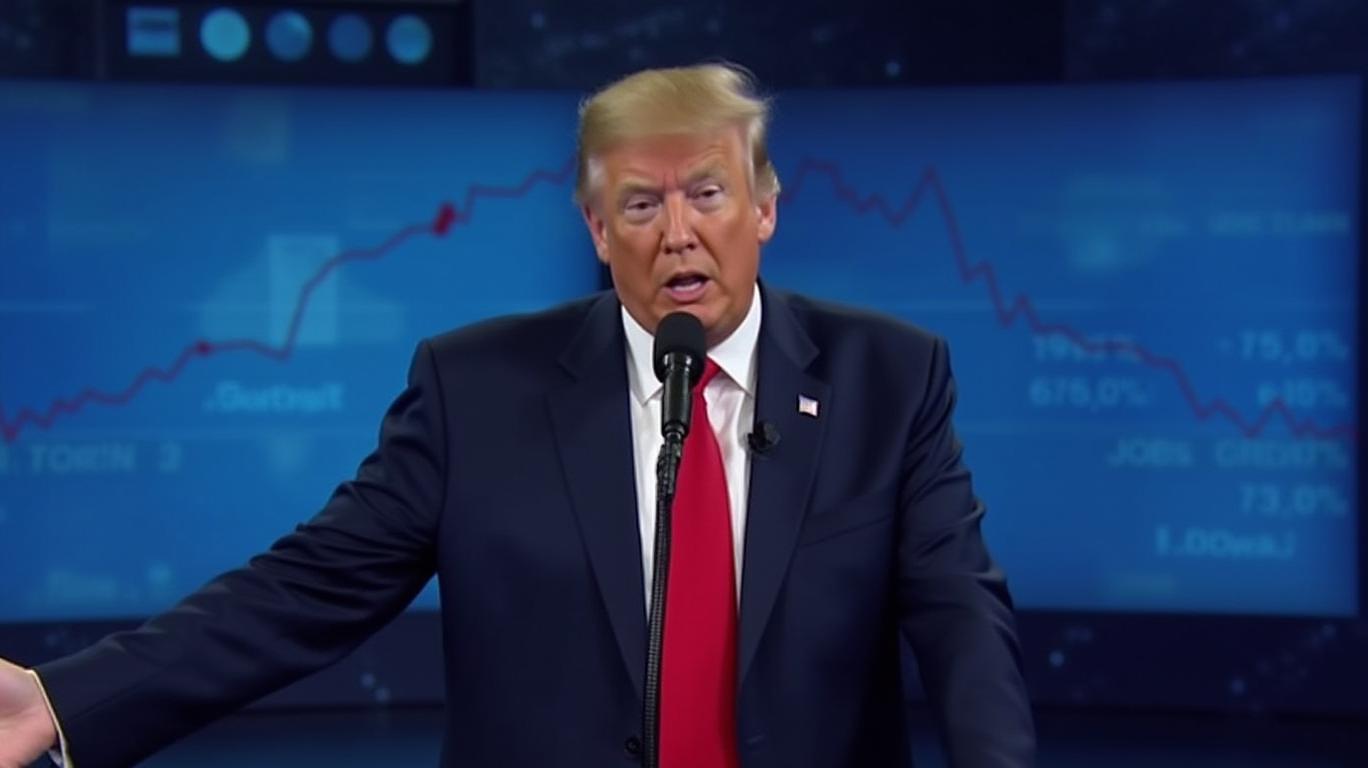
Trump's proposed tariffs and trade policies could also impact the labor market and jobs growth, potentially leading to higher consumer prices and decreased consumer spending. The uncertainty and volatility associated with a Trump presidency could also lead to a decrease in business investment and consumer spending, potentially slowing down jobs growth.
In conclusion, Acting Labor Secretary Julie Su's assessment of job growth aligns with historical trends under previous administrations, with strong job growth and low unemployment rates persisting until the COVID-19 pandemic hit. The Trump transition could have both positive and negative impacts on the labor market and jobs growth, depending on the specific policies implemented. While tax cuts and deregulation could encourage businesses to invest more and hire more workers, immigration policies and tariffs could lead to labor shortages and increased inflation, potentially slowing down jobs growth. The overall impact on the labor market and jobs growth will depend on the balance between these factors and the specific policies implemented by the Trump administration.
OAKM--
SU--
Acting Labor Secretary Julie Su recently discussed the state of the US labor market, highlighting stable job growth and expressing cautious optimism about the future. As the nation braces for a potential Trump transition, Su's insights provide valuable context for understanding the potential impacts on the labor market and jobs growth.
Su emphasized that the US economy has seen consistent job growth, with the unemployment rate edging down to 4.2 percent in October 2025, its first decline in five months. This trend is a continuation of the strong job growth experienced under the previous administration, with the economy adding 76 consecutive months of job growth under President Obama and the streak continuing into Trump's presidency. In 2019, the unemployment rate fell to its lowest level in 50 years, 3.5%, and wage growth increased in 2018 and 2019.
The Acting Labor Secretary pointed to several sectors driving the stable jobs growth, including construction, healthcare, leisure and hospitality, and manufacturing. The construction industry had significant growth over the last month, while healthcare continues to see job growth due to an aging population and increased demand for services. The leisure and hospitality sector has also seen job growth as the tourism and hospitality industries recover from the COVID-19 pandemic. Although the manufacturing industry has seen a decline in jobs in recent months, the cumulative number of manufacturing jobs created since the Biden-Harris administration began is over 700,000.
As the nation looks ahead to a potential Trump transition, the labor market and jobs growth could be impacted by the proposed policies and changes in economic policy. Trump's proposed tax cuts and deregulation policies could have a positive impact on the labor market and jobs growth, encouraging businesses to invest more and hire more workers. However, his proposed immigration policies, including mass deportations, could have a negative impact on the labor market and jobs growth, leading to labor shortages and increased inflation in certain sectors.
Trump's proposed tariffs and trade policies could also impact the labor market and jobs growth, potentially leading to higher consumer prices and decreased consumer spending. The uncertainty and volatility associated with a Trump presidency could also lead to a decrease in business investment and consumer spending, potentially slowing down jobs growth.
In conclusion, Acting Labor Secretary Julie Su's assessment of job growth aligns with historical trends under previous administrations, with strong job growth and low unemployment rates persisting until the COVID-19 pandemic hit. The Trump transition could have both positive and negative impacts on the labor market and jobs growth, depending on the specific policies implemented. While tax cuts and deregulation could encourage businesses to invest more and hire more workers, immigration policies and tariffs could lead to labor shortages and increased inflation, potentially slowing down jobs growth. The overall impact on the labor market and jobs growth will depend on the balance between these factors and the specific policies implemented by the Trump administration.

Divulgación editorial y transparencia de la IA: Ainvest News utiliza tecnología avanzada de Modelos de Lenguaje Largo (LLM) para sintetizar y analizar datos de mercado en tiempo real. Para garantizar los más altos estándares de integridad, cada artículo se somete a un riguroso proceso de verificación con participación humana.
Mientras la IA asiste en el procesamiento de datos y la redacción inicial, un miembro editorial profesional de Ainvest revisa, verifica y aprueba de forma independiente todo el contenido para garantizar su precisión y cumplimiento con los estándares editoriales de Ainvest Fintech Inc. Esta supervisión humana está diseñada para mitigar las alucinaciones de la IA y garantizar el contexto financiero.
Advertencia sobre inversiones: Este contenido se proporciona únicamente con fines informativos y no constituye asesoramiento profesional de inversión, legal o financiero. Los mercados conllevan riesgos inherentes. Se recomienda a los usuarios que realicen una investigación independiente o consulten a un asesor financiero certificado antes de tomar cualquier decisión. Ainvest Fintech Inc. se exime de toda responsabilidad por las acciones tomadas con base en esta información. ¿Encontró un error? Reportar un problema


SOBRE NOSOTROS
Nuestra historiaAutores de noticiasBase de conocimientosPolítica de privacidadTérmino de usoDescargo de responsabilidad de corretaje de tercerosTérminos de uso de AIMEDivulgaciones de riesgos de AInvest AICarrerasCONTÁCTENOS
Email: support@ainvest.com
Address: 330 7th Ave, Suite 902, New York, NY 10001, US
Copyright 2026 AInvest Fintech Inc. All rights reserved.


Comentarios
Aún no hay comentarios