
ABB's $40 Million Albuquerque Plant: A Strategic Bet on the Energy Transition and Grid Resilience
The energy transition is not just a buzzword—it’s a seismic shift reshaping global infrastructure, and ABB is doubling down on its commitment to power this transformation. The Swiss-Swedish engineering giant has unveiled a $40+ million manufacturing facility in Albuquerque, New Mexico, set to become a linchpin in its strategy to address grid modernization, wildfire mitigation, and renewable energy integration. This move underscores ABB’s ambition to dominate the $1.2 trillion global energy infrastructure market while positioning itself as a critical partner for utilities, municipalities, and industrial clients navigating the complexities of a decarbonized future.
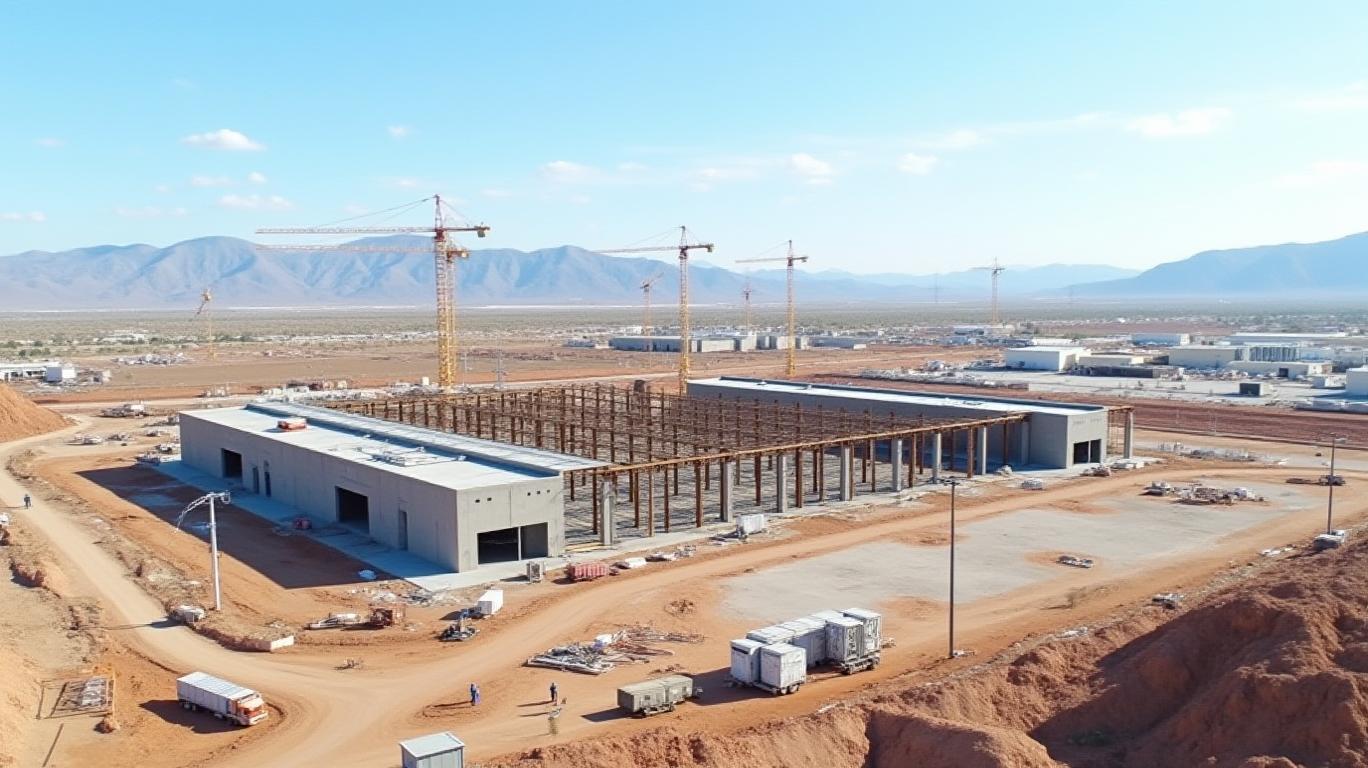
The Strategic Rationale: Grid Hardening Meets Electrification Demand
The Albuquerque plant will produce Elastimold® cable accessories—critical components for underground power distribution systems—alongside solutions designed to fortify electrical grids against wildfires, extreme weather, and aging infrastructure. These products are not merely commodities; they are enablers of the energy transition. As wildfires in the U.S. have increased by 80% since the 1980s, and utilities face $1.5 trillion in grid modernization needs by 2030, ABB is targeting a market segment where reliability and safety are existential concerns.
The facility’s focus on wildfire-resistant solutions—such as self-extinguishing cable joints and arc-resistant equipment—aligns with California’s 2025 mandate for utilities to harden 100% of high-risk grid infrastructure. This regulatory tailwind, combined with a 6.2% annual growth rate in the global underground cable accessories market, positions ABB to capture a significant share of a rapidly expanding niche.
Economic Impact: Jobs, Supply Chains, and Regional Stakes
The plant’s creation of 150 full-time jobs—including roles in advanced manufacturing and product testing—adds momentum to New Mexico’s economic diversification. This is no small gesture: ABB has operated in the state for 52 years, employing 565 associates, and the new South Building will double its Albuquerque footprint.
The $15 million allocated to automation and equipment upgrades signals a bet on efficiency gains. By integrating Industry 4.0 technologies like AI-driven quality control and digital twins, ABB aims to cut production costs by 15-20% while boosting output. This aligns with its broader $125 million U.S. manufacturing investment over five years, which includes expansions in Tennessee and Mississippi targeting data centers and industrial electrification.
Innovation and Sustainability: The Pioneering Edge
Housed within the facility is a Pioneering Innovation Center, a hub for collaboration with utilities and researchers to develop next-gen grid solutions. This space isn’t just about R&D—it’s a talent magnet. By training local workers in advanced manufacturing techniques, ABB is addressing a critical skills gap: the U.S. energy sector faces a 200,000-worker deficit by 2030.
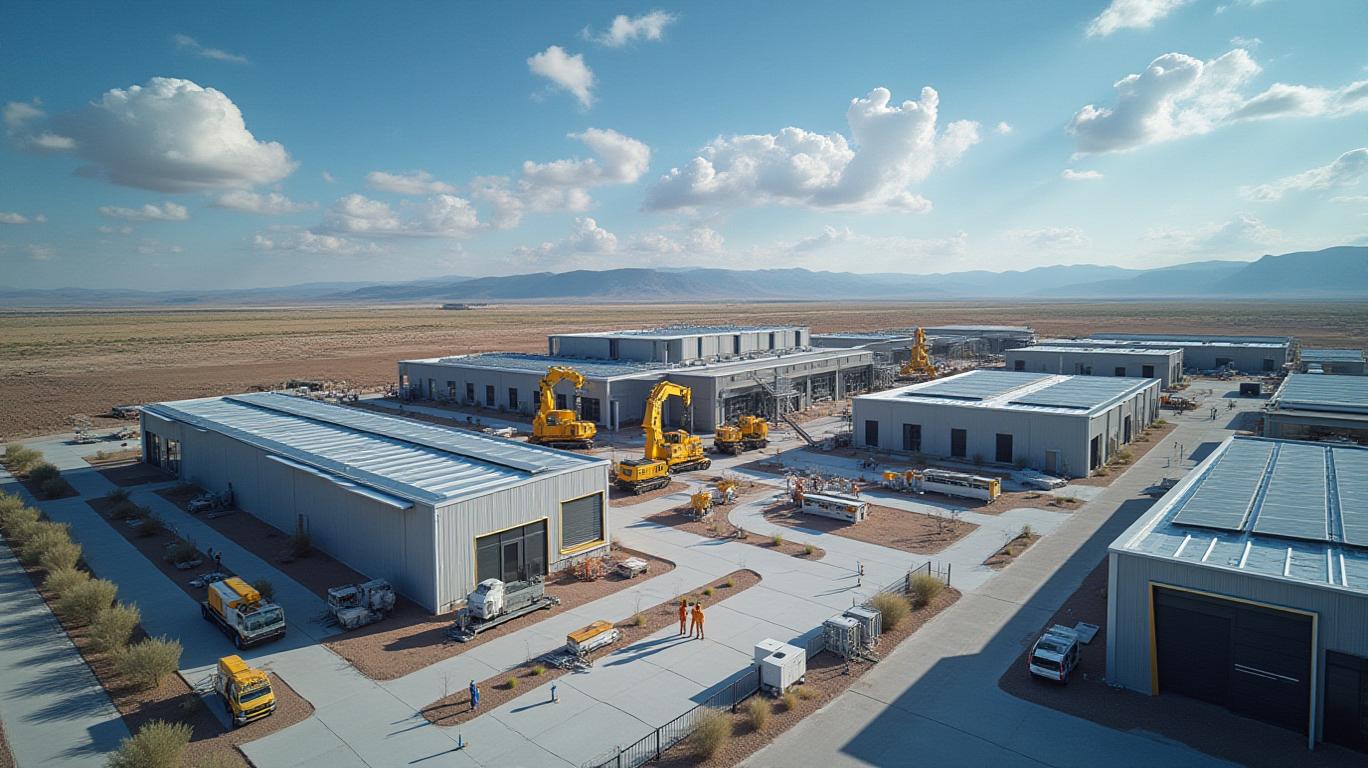
Sustainability is woven into the facility’s DNA. Solar panels, water recycling systems, and energy-efficient automation will reduce its carbon footprint by 30% compared to traditional plants. This mirrors ABB’s global pledge to achieve net-zero operations by 2030—a promise that resonates with investors prioritizing ESG metrics. CEO Morten Wierod’s emphasis on “staying at the forefront of the energy transition” isn’t just rhetoric; it’s reflected in ABB’s 2024 U.S. revenue of $9 billion, 12% of which came from sustainability-linked products.
Broader Implications: ABB’s Playbook for Market Dominance
The Albuquerque plant is part of a deliberate strategy to localize supply chains. By manufacturing cable accessories domestically, ABB reduces reliance on overseas suppliers, mitigating risks from trade disruptions and tariffs. This vertical integration could provide a 10-15% cost advantage over competitors still reliant on imported components.
In a sector where grid resilience is becoming a geopolitical priority—witness the U.S. Inflation Reduction Act’s $369 billion in clean energy incentives—ABB’s move is a masterstroke. The company is not just a supplier; it’s a solutions architect, offering end-to-end systems that blend hardware, software, and services. This holistic approach has already secured ABB a 17% market share in North American grid automation, outpacing Siemens and Schneider Electric.
Conclusion: ABB’s Bold Vision Pays Dividends
The Albuquerque facility is more than a factory—it’s a statement of intent. By investing in grid resilience, automation, and local talent, ABB is securing its position as a leader in a $1.2 trillion market primed for growth. The 150 jobs and $40 million outlay are tangible wins for New Mexico’s economy, but the real value lies in the strategic foresight:
- Market Leadership: ABB’s focus on wildfire-resistant tech and grid hardening positions it to capture 20-25% of the $45 billion U.S. grid modernization market by 2030.
- Cost Efficiency: Automation and digital tools could lower production costs, boosting margins in a sector where profit margins average 12%.
- ESG Credibility: Sustainability initiatives align with investor demands, with ESG-focused funds now holding 35% of ABB’s shares.
As climate volatility and energy demand intensify, ABB’s bet on Albuquerque isn’t just about manufacturing—it’s about redefining the future of energy infrastructure. For investors, this is a signal: ABB isn’t just keeping up with the energy transition. It’s leading it.







Comentarios
Aún no hay comentarios