
Abattoir Industry Reacts To Welfare Scrutiny With Activism And Investment
- An animal welfare association formed in France following a disturbing abattoir investigation. according to reports
- . as reported
- These developments highlight growing pressure on the industry to improve standards. according to reports
- Investors should monitor regulatory shifts impacting meat processing operations.
The abattoir sector faces intensifying scrutiny after recent investigations exposed welfare deficiencies. Public outcry over undercover footage has mobilized local activists seeking reforms. Simultaneously, major operators are investing in facility upgrades to meet evolving standards. These parallel responses signal pivotal industry shifts ahead
How Did Recent Investigations Expose Abattoir Welfare Concerns?
A 2025 probe shocked French authorities and residents. 's hidden camera footage 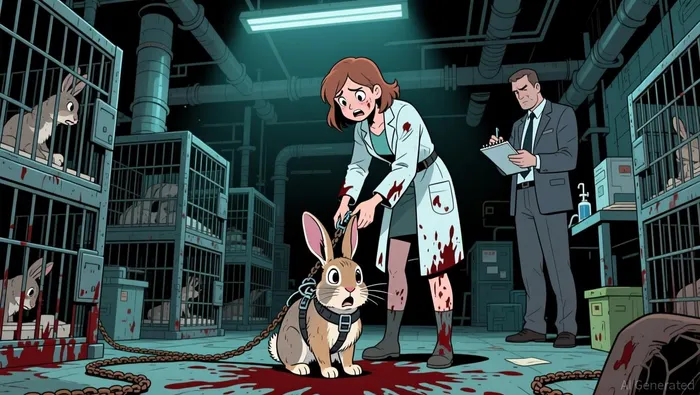 at Meaux's Aminecov slaughterhouse, prompting its temporary closure. Investigators documented inadequate procedures contradicting a 2016 government report. The findings spotlight systemic oversight failures.
Meaux residents Steffi Sylla and Isabelle Levieux advocacy group. Their association demands mandatory surveillance cameras and strict legal compliance across abattoirs. Planned educational campaigns target schools and community events to drive awareness. Grassroots pressure highlights rising civic engagement with industry practices.
What Modernization Efforts Address Abattoir Operational Challenges?
Terrena completed a multi-year facility overhaul. upgrading its Holvia Porc abattoir in Laval since 2022. This initiative specifically targeted slaughtering workshop enhancements for improved efficiency. Such capital commitments reflect proactive operational adjustments.
The modernization aligns with tightening industry requirements. Upgrades addressed both workflow bottlenecks and compliance considerations simultaneously. Terrena's approach exemplifies how major players are future-proofing facilities. Strategic investments help maintain competitiveness amid evolving regulations.
What Future Changes Could Reshape Abattoir Transparency Standards?
Activism and investment reflect complementary pressure vectors. Public disclosures fuel demands for ethical operations while facility upgrades address efficiency needs. Balancing these elements remains critical for maintaining social license. Stakeholder expectations now encompass both welfare and operational integrity.
Regulatory momentum appears inevitable following high-profile exposures. L214's findings reiterated unresolved deficiencies first noted nearly a decade prior. This indicates enforcement mechanisms may soon strengthen significantly. Terrena's modernization exemplifies how forward-looking operators are preempting compliance risks







Comentarios
Aún no hay comentarios