
AB InBev Buys Back Stake in US-Based Metal Container Plants for $3 Billion
Anheuser-Busch InBev (BUD) has announced its exercise of the right to reacquire a 49.9% minority stake in its US-based metal container plants for approximately $3 billion. The company said the move is a strategic decision to consolidate control over its manufacturing operations in the United States. The stake had been sold to a consortium of institutional investors led by Apollo Global Management in 2020.
The transaction involves seven metal container plants located across six states. These facilities are described as a critical component of AB InBev's business, supporting quality, cost efficiency, and supply chain security for its brands. The company anticipates the deal will be accretive to earnings per share in the first year.
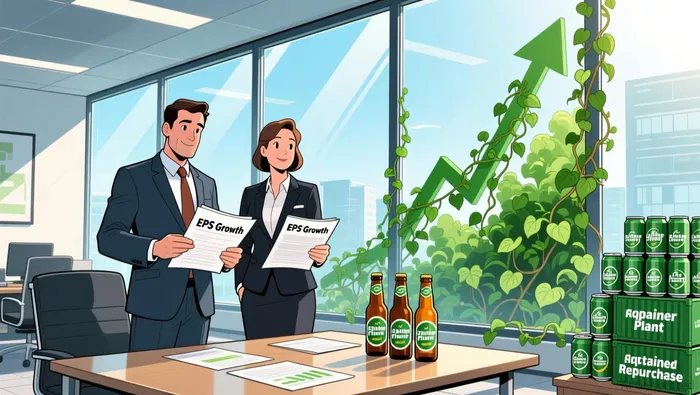
The repurchase is being funded with existing cash reserves, and the transaction is expected to close in the first quarter of 2026.
Why Did AB InBevBUD-- Make This Move?
AB InBev has described the container plants as essential to its strategic operations. The facilities ensure quality and efficiency for its brands and also create industry-leading jobs across the US. By reacquiring the stake, the company is able to consolidate control and reduce dependency on third-party ownership.
The decision reflects AB InBev's capital allocation framework, which prioritizes maximizing long-term shareholder value.
How Will the Transaction Be Financed and What Are the Expectations?
The company is using its existing cash reserves to fund the $3 billion purchase. This approach avoids the need for additional debt or equity financing, preserving the company's financial flexibility.
AB InBev expects the transaction to deliver earnings per share (EPS) benefits in the first year. This accretion is a key performance metric for investors, as it demonstrates the deal's immediate impact on profitability.
What Was the Original Sale in 2020?
In 2020, AB InBev had sold the 49.9% stake in its container plants to a group of institutional investors led by Apollo. At that time, the deal was part of a broader strategy to reduce debt and focus on core operations.
Now, the company is reversing course to bring the operations under full control. This decision is likely driven by evolving market conditions and the desire to optimize supply chain efficiency and cost management.





Comentarios
Aún no hay comentarios