
Aalberts N.V.'s Strategic Expansion in Southeast Asia via GVT Acquisition
Strategic Rationale: Precision Engineering and Regional Synergies
GVT's expertise in precision engineering solutions for semiconductor back-end manufacturing-critical for wafer-level packaging and advanced chip assembly-complements Aalberts' existing capabilities, as stated in Aalberts' announcement. By integrating GVT's operations, Aalberts gains access to a customer base spanning automotive, industrial, and consumer electronics sectors, all of which are driving demand for high-precision components. CEO Stéphane Simonetta emphasized that the acquisition enhances the company's ability to deliver "end-to-end engineering solutions," a key differentiator in a market where supply chain reliability and technical innovation are paramount.
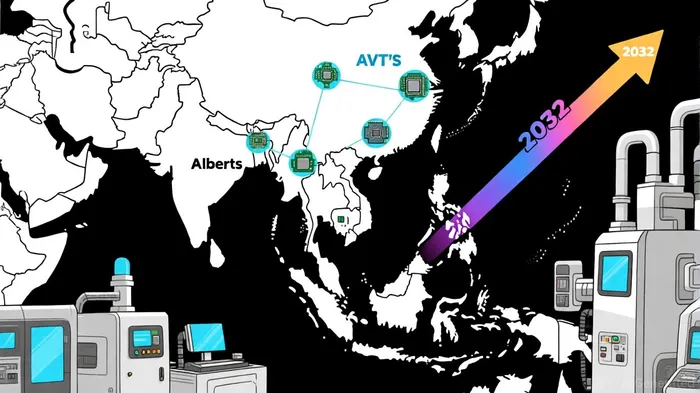
Southeast Asia's semiconductor engineering sector is poised for significant growth, with the broader Asia-Pacific region projected to capture 25% of global advanced packaging (ATP) capacity by 2032, according to a Source of Asia report. Countries like Malaysia and Vietnam are emerging as hubs for high-value manufacturing, while Singapore's focus on R&D and advanced manufacturing creates a fertile ground for cross-border partnerships. Aalberts' acquisition of GVT, which operates in all three markets, allows the firm to leverage these regional dynamics while mitigating risks associated with over-reliance on single geographies.
Market Growth and Cross-Border M&A Trends
The semiconductor engineering market in Southeast Asia is expected to expand at a compound annual growth rate (CAGR) of 8.9%, reaching USD 55 billion by 2033, according to the same Source of Asia report. This growth is fueled by global supply chain diversification, government incentives (e.g., Malaysia's National Semiconductor Strategy 2024), and rising demand for AI-driven chips and electric vehicle components. Cross-border M&A activity in the region has also accelerated, with Nihon M&A Center reporting a 21.5% year-over-year sales increase in Q2 2025, driven by 488 deals closed in the first half of the year, according to FT Markets data.
However, geopolitical tensions are introducing complexities. Regulatory scrutiny of cross-border deals in sensitive sectors like semiconductors has lengthened approval timelines and increased due diligence requirements, as explained in a Clearly Acquired blog post. Despite these challenges, Southeast Asia remains an attractive destination for investors, offering cost advantages, technical talent, and supportive policies. Aalberts' ability to finance the GVT acquisition through existing credit facilities-without diluting equity-demonstrates its financial discipline and confidence in the region's long-term potential.
Assessing Value-Add and Long-Term Potential
The acquisition's value proposition extends beyond immediate financial metrics. By consolidating GVT's operations, Aalberts gains a platform to scale its offerings in advanced packaging and AI chip design, two areas expected to drive the next phase of semiconductor innovation. The 19% EBITDA margin of GVT also suggests strong operational efficiency, which, when combined with Aalberts' global distribution network, could amplify cross-selling opportunities.
Critically, the deal aligns with the "thrive 2030" strategy's emphasis on sustainable growth and technological leadership. As semiconductor back-end manufacturing becomes increasingly complex, firms with integrated capabilities-like Aalberts post-acquisition-will be better positioned to meet evolving customer demands. The immediate consolidation of GVT's results into Aalberts' earnings further underscores the transaction's accretive nature, with positive EPS impact expected from day one.
Conclusion
Aalberts' acquisition of GVT exemplifies the strategic value of cross-border M&A in semiconductor engineering, particularly in a region where supply chain resilience and technological innovation are intertwined. While geopolitical headwinds may complicate future deals, the Southeast Asian market's growth trajectory and Aalberts' disciplined execution position the firm to capitalize on long-term opportunities. For investors, this transaction highlights the importance of aligning with companies that can navigate regulatory complexities while leveraging regional strengths to drive scalable, profitable growth.







Comentarios
Aún no hay comentarios