
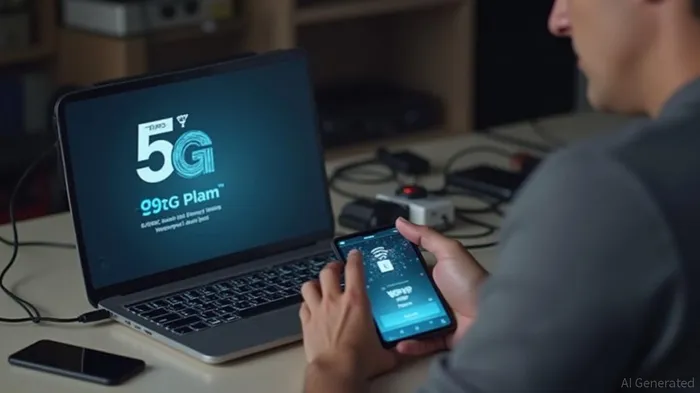
Is a 5G tablet or laptop worth it? Probably not.
PorAinvest
domingo, 17 de agosto de 2025, 11:18 am ET2 min de lectura
AAPL--
Premium Pricing and Limited Use Cases
One of the primary drawbacks of 5G tablets and laptops is the high cost. Apple, for instance, charges an additional $150 to $200 for the 5G option on its iPads [1]. Similarly, a 5G-capable Surface Pro is at least $500 more expensive than the base model. This premium is often accompanied by extra fees from carriers, further increasing the overall cost. For most users, the convenience of being able to connect to the internet without a Wi-Fi hotspot is outweighed by the financial burden.
Moreover, the actual use cases for 5G capabilities in tablets and laptops are limited. According to a recent study, most users rarely venture far from Wi-Fi hotspots or their phones, which can provide unlimited tethering data [1]. In fact, a survey found that the majority of users are never contemplating using a tablet or laptop somewhere without Wi-Fi. Even in remote locations, smartphones can be used for tethering, making the need for built-in cellular connectivity in tablets and laptops questionable.
Strategic Considerations for Businesses
While the benefits of 5G tablets and laptops may seem appealing, businesses should consider the strategic implications. For example, field technicians and safety inspectors who require constant connectivity might find 5G tablets and laptops beneficial. However, for most employees, tethering a smartphone is a viable and cost-effective alternative. Additionally, employers might consider the security risks associated with tethered personal connections.
Apple's Shift Toward Cellular MacBooks
Apple's recent patent filings and industry reports suggest that the company is preparing to introduce a 5G MacBook Pro in 2026 [2]. This move marks a significant shift in Apple's laptop strategy and positions the company to compete with Microsoft's 5G-capable Surface Pro and Surface Laptop models. The 5G MacBook Pro is expected to feature Apple's M5 Pro chip and an in-house 5G modem, codenamed "Centauri" (also known as C1).
Conclusion
The financial and practical considerations of 5G tablets and laptops suggest that the benefits do not justify the costs for most users. The premium pricing, limited use cases, and strategic considerations for businesses all point to the fact that paying for 5G is rarely justifiable. However, for niche scenarios such as constant connectivity requirements or mapping and navigation, 5G tablets and laptops may offer value. As Apple and other manufacturers continue to innovate in this space, it will be essential to weigh the costs against the benefits.
References
[1] https://www.pocket-lint.com/why-i-never-buy-a-5g-tablet-or-laptop/
[2] https://www.patentlyapple.com/2025/08/after-15-years-of-cellular-supported-macbook-patents-apples-first-5g-macbook-pro-may-arrive-in-2026-powered-by-in-house.html
The article argues that 5G tablets and laptops are not worth the cost, as most users rarely venture far from Wi-Fi hotspots or their phones, which can provide unlimited tethering data. Hardware makers charge a premium for 5G capabilities, and carriers tack on extra plan fees. The author concludes that paying for 5G is rarely justifiable.
In the rapidly evolving landscape of consumer electronics, the integration of 5G technology into tablets and laptops has sparked significant interest. However, a closer examination reveals that the benefits of 5G capabilities may not justify the substantial costs associated with these devices. This article explores the financial implications and practical considerations of 5G tablets and laptops.Premium Pricing and Limited Use Cases
One of the primary drawbacks of 5G tablets and laptops is the high cost. Apple, for instance, charges an additional $150 to $200 for the 5G option on its iPads [1]. Similarly, a 5G-capable Surface Pro is at least $500 more expensive than the base model. This premium is often accompanied by extra fees from carriers, further increasing the overall cost. For most users, the convenience of being able to connect to the internet without a Wi-Fi hotspot is outweighed by the financial burden.
Moreover, the actual use cases for 5G capabilities in tablets and laptops are limited. According to a recent study, most users rarely venture far from Wi-Fi hotspots or their phones, which can provide unlimited tethering data [1]. In fact, a survey found that the majority of users are never contemplating using a tablet or laptop somewhere without Wi-Fi. Even in remote locations, smartphones can be used for tethering, making the need for built-in cellular connectivity in tablets and laptops questionable.
Strategic Considerations for Businesses
While the benefits of 5G tablets and laptops may seem appealing, businesses should consider the strategic implications. For example, field technicians and safety inspectors who require constant connectivity might find 5G tablets and laptops beneficial. However, for most employees, tethering a smartphone is a viable and cost-effective alternative. Additionally, employers might consider the security risks associated with tethered personal connections.
Apple's Shift Toward Cellular MacBooks
Apple's recent patent filings and industry reports suggest that the company is preparing to introduce a 5G MacBook Pro in 2026 [2]. This move marks a significant shift in Apple's laptop strategy and positions the company to compete with Microsoft's 5G-capable Surface Pro and Surface Laptop models. The 5G MacBook Pro is expected to feature Apple's M5 Pro chip and an in-house 5G modem, codenamed "Centauri" (also known as C1).
Conclusion
The financial and practical considerations of 5G tablets and laptops suggest that the benefits do not justify the costs for most users. The premium pricing, limited use cases, and strategic considerations for businesses all point to the fact that paying for 5G is rarely justifiable. However, for niche scenarios such as constant connectivity requirements or mapping and navigation, 5G tablets and laptops may offer value. As Apple and other manufacturers continue to innovate in this space, it will be essential to weigh the costs against the benefits.
References
[1] https://www.pocket-lint.com/why-i-never-buy-a-5g-tablet-or-laptop/
[2] https://www.patentlyapple.com/2025/08/after-15-years-of-cellular-supported-macbook-patents-apples-first-5g-macbook-pro-may-arrive-in-2026-powered-by-in-house.html


Divulgación editorial y transparencia de la IA: Ainvest News utiliza tecnología avanzada de Modelos de Lenguaje Largo (LLM) para sintetizar y analizar datos de mercado en tiempo real. Para garantizar los más altos estándares de integridad, cada artículo se somete a un riguroso proceso de verificación con participación humana.
Mientras la IA asiste en el procesamiento de datos y la redacción inicial, un miembro editorial profesional de Ainvest revisa, verifica y aprueba de forma independiente todo el contenido para garantizar su precisión y cumplimiento con los estándares editoriales de Ainvest Fintech Inc. Esta supervisión humana está diseñada para mitigar las alucinaciones de la IA y garantizar el contexto financiero.
Advertencia sobre inversiones: Este contenido se proporciona únicamente con fines informativos y no constituye asesoramiento profesional de inversión, legal o financiero. Los mercados conllevan riesgos inherentes. Se recomienda a los usuarios que realicen una investigación independiente o consulten a un asesor financiero certificado antes de tomar cualquier decisión. Ainvest Fintech Inc. se exime de toda responsabilidad por las acciones tomadas con base en esta información. ¿Encontró un error? Reportar un problema


SOBRE NOSOTROS
Nuestra historiaAutores de noticiasBase de conocimientosPolítica de privacidadTérmino de usoDescargo de responsabilidad de corretaje de tercerosTérminos de uso de AIMEDivulgaciones de riesgos de AInvest AICarrerasCONTÁCTENOS
Email: support@ainvest.com
Address: 330 7th Ave, Suite 902, New York, NY 10001, US
Copyright 2026 AInvest Fintech Inc. All rights reserved.


Comentarios
Aún no hay comentarios