
S&P 500 Volatility and Correction Risks: A Technical and Sentiment-Driven Analysis
The S&P 500 has entered a precarious phase in late 2025, with technical indicators and market sentiment suggesting a heightened risk of correction despite a broadly stable volatility environment. While the VIX Volatility Index remains subdued-trading near 16.63 as of October 2, 2025, according to a Capital.com analysis-underlying technical and sentiment dynamics paint a more complex picture. This analysis examines the interplay between volatility metrics, overbought conditions, and institutional positioning to assess the likelihood of a near-term pullback.
Volatility Normalization and Embedded Risks
The VIX, often dubbed the "fear gauge," has traded in a narrow range of 15.04 to 16.74 in September 2025, according to YCharts historical data, reflecting a market that remains "comfortably numb" to traditional volatility drivers. J.P. Morgan Research notes that global equity volatility normalized post-April 2025, with the VIX projected to stabilize around 17–18, a point reiterated in the Capital.com analysis. However, this calm masks structural vulnerabilities. Hedge funds and large speculators have amassed some of the largest net short positions in VIX futures in three years, per the same Capital.com analysis, a positioning that could backfire if macroeconomic surprises or policy shifts trigger a sudden spike in volatility.
Technical Divergence and Overbought Conditions
The S&P 500's technical profile has grown increasingly fragile. The 14-day RSI for the index reached 64.4 on September 29, 2025, according to Barchart technical analysis, a level that, while not extreme, has shown bearish divergence. Specifically, the index has printed higher highs while the RSI has formed lower highs, a classic precursor to reversals, as highlighted in a StockCharts analysis. Meanwhile, the SPX trades at 6,415.54, well above both its 50-day (6,496.92) and 200-day (6,030.22) moving averages, according to Barchart technicals, indicating overextension. Historically, such overbought momentum has often preceded corrections, particularly when market breadth deteriorates.
Market breadth has indeed weakened. Only 60% of S&P 500 stocks remain above their 200-day averages, per the StockCharts analysis, and the Advance-Decline line has diverged from the index's trajectory. Critical sectors-such as small-cap equities, semiconductors, and financials-have underperformed, with the Mag 7 mega-cap tech stocks driving nearly all of the index's gains. This concentration of leadership is a late-cycle red flag.
Sentiment Complacency and Seasonal Weakness
Investor sentiment, while not euphoric, leans toward complacency. The 5-day average put/call ratio for the S&P 500 stood at 1.27 on September 9, 2025, according to YCharts put/call data, signaling cautious positioning but falling short of panic levels. Meanwhile, the VIX's 12-month decline of 12.01% noted in the Capital.com analysis suggests that market participants have priced in a prolonged period of stability, potentially underestimating risks.
Seasonality adds another layer of concern. September has historically been a weak month for the S&P 500, averaging a -0.7% return since 2006, as the StockCharts analysis points out. With the index already overextended and sentiment skewed toward bullishness, the confluence of seasonal weakness and technical fragility raises the probability of a near-term correction.
Pathways Forward: Correction or Continuation?
The S&P 500 faces a critical juncture. If the index fails to hold key support levels-such as the August 1 low of 6,212 or the June gap at 6,025, cited in the StockCharts analysis-a deeper pullback could follow. Conversely, a rebound in underperforming sectors like financials and industrials could validate the ongoing rally. The VIX's current stability may persist if corporate earnings remain robust and interest rates hold steady, but a sharp macroeconomic surprise or policy pivot could trigger a volatility spike, testing the market's resilience.
In conclusion, while the S&P 500's fundamentals remain intact, the technical and sentiment landscape suggests a high probability of a cyclical peak within the next two months. Investors should remain vigilant, hedging exposure through volatility products or sector rotation into defensive assets.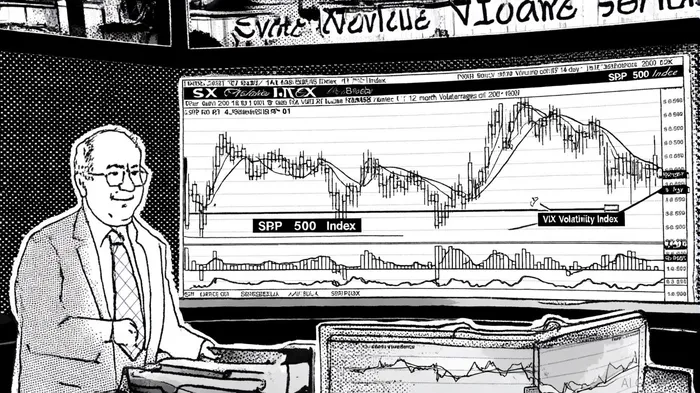







Comentarios
Aún no hay comentarios