
S&P 500’s Turbulent Start Under Trump: Navigating the Next 100 Days
The S&P 500’s performance during the first 100 days of President Donald Trump’s second term in 2025 has been a study in extremes—plunging 7.27% before staging a partial recovery fueled by strong earnings and trade policy shifts. Now, as investors brace for the next 100 days, the question is clear: Can the market stabilize, or will trade wars and policy uncertainty reignite volatility?
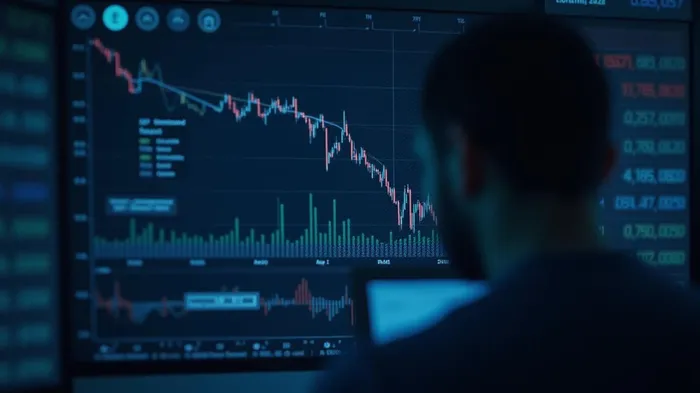
The First 100 Days: A Perfect Storm of Tariffs and Uncertainty
Trump’s aggressive trade agenda sent shockwaves through global markets. His January 2025 executive orders imposed 25% tariffs on Mexico and Canada and 10% tariffs on China, only to escalate to 145% tariffs on China by April 2. These moves triggered a $3.66 trillion loss in S&P 500 market value by April, as companies like Apple (AAPL) and Chevron (CVX) faced soaring costs.
The S&P 500’s 7.27% decline marked its worst start to a presidency since Gerald Ford’s 1974 term. Volatility spiked, with the CBOE Volatility Index hitting record highs, as investors grappled with daily tariff threats and conflicting policy signals. Even a temporary 90-day tariff pause on non-China imports in April sparked a historic single-day rally but failed to restore confidence.
The May Rebound: Earnings Triumph Over Policy Chaos
By May 2025, the S&P 500 clawed back some losses, rising 1.47% to 5,686.67, fueled by Q1 earnings growth of 12.8%—the second consecutive quarter of double-digit gains. Key sectors led the charge:
- Health Care: Outperformed with 18th consecutive quarters of revenue growth.
- Technology: Despite tariff pressures, IT companies like Duolingo (DUOL) surged on strong guidance.
- Utilities: Benefited from stable demand and low interest rates.
The April jobs report, which added 177,000 jobs, further eased recession fears, pushing back expectations for a Federal Reserve rate cut to July 2025.
What Lies Ahead: Risks and Opportunities in the Next 100 Days
The coming months will hinge on three critical factors:
1. The July Tariff Deadline
The 90-day tariff pause on non-China imports expires on July 9. If Trump reimposes tariffs, sectors like consumer discretionary and industrials—which rely on global supply chains—could suffer. Conversely, a negotiated trade deal with China (unlikely but not impossible) might ignite a rally.
2. Federal Reserve Policy
The Fed faces a dilemma: rising inflation from tariffs versus slowing growth. A rate cut in July could stabilize markets, but delayed action risks exacerbating recession fears.
3. Earnings Momentum
Analysts project 9.5% annual earnings growth for 2025, with Q3 and Q4 growth rates of 7.8% and 7.1%, respectively. However, tariff-driven cost pressures and OPEC+ oil production increases (weakening Energy sector profits) could undermine this optimism.
Sector Strategies for the Next 100 Days
- Health Care and Utilities: Defensive plays with stable cash flows.
- Technology: Focus on domestic-focused firms (e.g., cybersecurity, cloud services) less reliant on global trade.
- Energy: Avoid unless oil prices rebound; Chevron’s Q1 profit drop (30%) signals vulnerability.
Conclusion: Between Hope and Uncertainty
The S&P 500’s path forward remains fraught with contradictions. On one hand, earnings resilience and labor market strength suggest upside potential. On the other, unresolved trade conflicts and policy unpredictability—exemplified by Trump’s 145% China tariffs—threaten to derail progress.
Investors should heed these numbers:
- Valuation Risks: The S&P 500’s forward P/E of 20.2 exceeds its 5-year average (19.9), leaving little room for disappointment.
- Tariff Costs: Apple’s $900 million tariff-related expense in Q2 alone underscores the sectoral risks.
- Fed Watch: A July rate cut is now priced in, but delays could push the index toward critical support at 5,200.
The next 100 days will test whether the market’s “buy-the-dip” mentality can withstand another round of trade fireworks. Prudent investors should prioritize diversification, avoid overexposure to tariff-sensitive sectors, and prepare for volatility. As history shows, markets hate uncertainty—and 2025’s White House offers plenty of both.







Comentarios
Aún no hay comentarios