
Can the S&P 500 Reach 10,000 by 2026?
The S&P 500's current valuation and macroeconomic backdrop paint a complex picture for investors speculating on a 10,000-level target by 2026. While the index closed at 6,932.05 on December 24, 2025, achieving a 44% annual return would require unprecedented growth. To assess feasibility, we must dissect valuation realism, earnings momentum, and macroeconomic risks.
Valuation Realism: A Tenuous Foundation
The S&P 500's trailing P/E ratio of 21.7x is already at the 93rd historical percentile, far exceeding the 17x level seen in 2022 according to data. This suggests valuations are stretched, particularly in the technology sector, which dominates 40% of the index. A forward P/E approaching pre-2000 levels-though still below the 50x peak of the dot-com bubble-raises concerns about overreach. Similarly, the price-to-book (P/B) ratio of 5.52 reflects a market pricing in sustained corporate profitability, but such metrics historically correct when earnings fail to justify multiples.
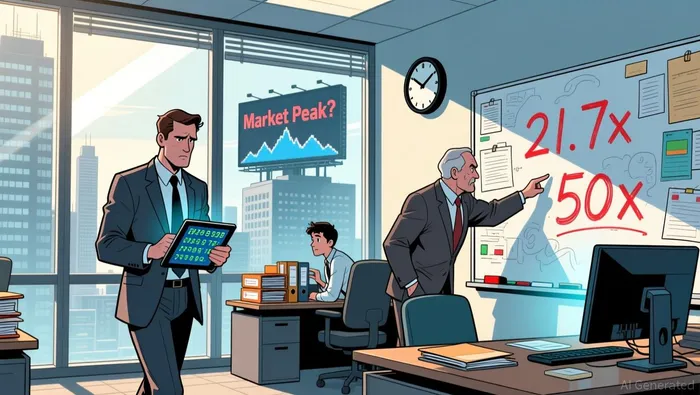 For the S&P 500 to reach 10,000 by 2026, earnings would need to grow at an extraordinary pace. Assuming a stable P/E ratio, annual earnings per share (EPS) would need to rise by roughly 44%-a rate far exceeding the 10% average return projected for 2025. Even if valuations expanded further, the math remains daunting.
Macroeconomic Risks: A Mixed Bag
The U.S. economy's 2026 outlook is cautiously optimistic. Real GDP growth is forecast at 1.9%, supported by corporate revenue expansion but tempered by a tightening labor market and lingering inflation. While inflation is expected to cool to 2.9%, the Federal Reserve's ability to cut interest rates remains constrained. A 4.1% 10-year Treasury yield suggests bond markets expect modest monetary easing, but aggressive cuts are unlikely without a sharper slowdown.
Tariff-driven trade policies and geopolitical tensions add another layer of risk. These could reignite inflationary pressures, forcing the Fed to prioritize price stability over growth. Meanwhile, a rising unemployment rate (forecast at 4.5%) could dampen consumer spending, a critical driver of corporate earnings.
The Concentration Conundrum







Comentarios
Aún no hay comentarios