
The $34 Billion Deal That Could Skyrocket Your Portfolio: Why Indonesia and the U.S. Just Redefined Global Trade
The clock is ticking. In just two days, the U.S. and Indonesia will finalize a $34 billion trade pact that could reshape global supply chains, send stock prices soaring, and create a gold mine of opportunities for investors. This isn't just a tariff deal—it's a strategic pivot that could turn Indonesia into the battery and aerospace hub of the 21st century. Let me break down why this matters and how to profit.
The Deal's Heartbeat: Boeing's Lifeline and the Aerospace Boom
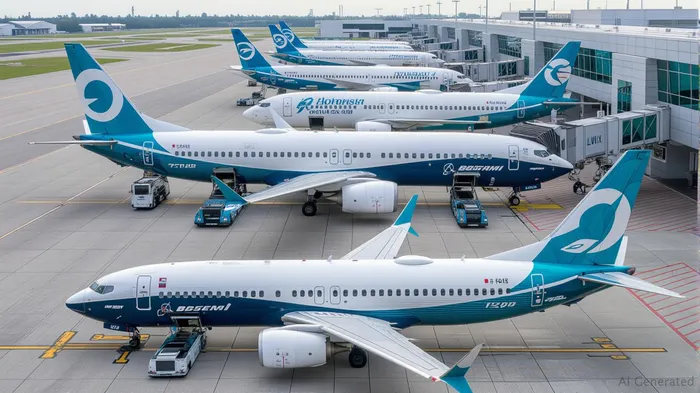
Garuda Indonesia's potential purchase of up to 75 Boeing aircraft ($8.5–$10 billion) is the linchpin here. BoeingBA-- (BA) has been in a tailspin due to post-pandemic demand slumps and competition from Airbus. But this deal could ignite a 20–30% rebound in Boeing's stock if finalized by July 9. Why? It's not just about the cash—this signals a broader fleet modernization plan to expand Garuda's reach to 120 aircraft within five years.
Nickel: The New Black Gold and the EV Supply Chain Play
Indonesia holds 10% of the world's nickel reserves, a critical ingredient for electric vehicle (EV) batteries. The pact mandates partnerships between U.S. firms like Freeport-McMoRan (FCX) and Indonesian state-owned enterprises to process nickel into battery-grade material. This could tighten supply and send nickel prices up 20–30%, benefiting nickel ETFs like JJN and miners like FCXFCX--.
But the real kicker? Indonesia's 40% share of global nickel reserves means it's not just playing in the sandbox—it's owning the sandbox. This deal positions the country to dominate EV battery supply chains, a $100 billion market by 2030.
Copper: The Silent Partner in Defense and Tech
The U.S.-Indonesia pact also targets copper, a key material for defense systems and advanced tech. Indonesia's sovereign wealth fund, Danantara, is partnering with U.S. firms to expand copper projects, boosting Freeport Indonesia's output. This isn't just about mining—it's about securing raw materials for next-gen technologies.
Agriculture: Cheaper Wheat, Bigger Profits for Indofood
Indonesia's pledge to boost U.S. wheat and soybean imports is a direct win for Indofood (CBP.JK), the world's largest instant noodle maker. Wheat accounts for 30–40% of Indofood's raw material costs. Lower tariffs could slash input costs, driving a potential 20% margin expansion. This is a classic “cost squeeze reversed” scenario—investors should snap this up.
Energy: LPG, LNG, and the Renewable Pivot
The deal includes $15.5 billion in U.S. energy imports, benefiting giants like Chevron (CVX) and Devon EnergyDVN-- (DVN). But the real growth lies in Indonesia's Just Energy Transition Partnership (JETP), which aims to attract $20 billion in private capital for solar, wind, and geothermal projects. This isn't just about fossil fuels—it's about building a green energy powerhouse.
The Risks? Manageable, but Watch This Deadline
The July 9 deadline is critical. If the U.S. imposes a 32% tariff hike on Indonesian exports, it could derail everything. Geopolitical tensions with China and Indonesia's bureaucratic hurdles are speed bumps, not roadblocks. Focus on the upside: This deal is a binary event—either it's done by July 9, or it's a disaster.
Cramer's Playbook: Where to Invest Now
- Aerospace:
- Boeing (BA): 5–10% allocation for the BoeingBA-- rebound.
Aerospace ETFs: XAR for broader exposure.
Critical Minerals:
- Nickel ETF (JJN): Buy the dip if nickel prices stall pre-deal.
Freeport-McMoRan (FCX): A miner with a seat at the table.
Agriculture:
Indofood (CBP.JK): A margin-expansion story with catalysts in hand.
Energy:
- Energy ETFs (XLE): For the U.S. energy winners.
The Bottom Line: Act Fast, but Stay Smart
This isn't a “wait-and-see” deal. The U.S. and Indonesia are racing to avoid a tariff cliff that could sink their economies. Investors who act now can capitalize on the asymmetric upside: limited downside if the deal fails (stocks might dip, but fundamentals remain intact), versus massive gains if it succeeds.
Don't let this moment pass you by. The Indonesia-U.S. pact is a once-in-a-decade reset of global trade. Get in now—before the engines roar.
The opinions expressed are those of the author and not necessarily those of any organization.





Comentarios
Aún no hay comentarios