
3 Oil Giants Poised to Outperform Amid $60 Oil: Strategy & M&A Catalysts
The price of crude oil has dipped to $60 per barrel, testing the resilience of energy companies. Yet, three oil giants—ExxonMobil (XOM), Chevron (CVX), and BP (BP)—are uniquely positioned to thrive in this environment. Their fortress balance sheets, razor-sharp cost discipline, and strategic focus on "advantaged assets" make them compelling buys for investors willing to act now.
Why These Oil Majors Will Outperform
The energy sector is undergoing a seismic shift. Companies must balance short-term volatility with long-term growth, and these three firms have mastered the art of navigating this duality. Let’s break down their strengths:
1. ExxonMobil: The Paragon of Cost Discipline
Exxon’s structural cost savings program is a masterclass in operational efficiency. Cumulative savings of $12.7 billion since 2019 (targeting $18 billion by 2030) have insulated it from margin pressures, even as oil prices fluctuate. Its capital allocation is laser-focused on high-return projects like the Permian Basin and Guyana, where production is set to grow by 20% annually.
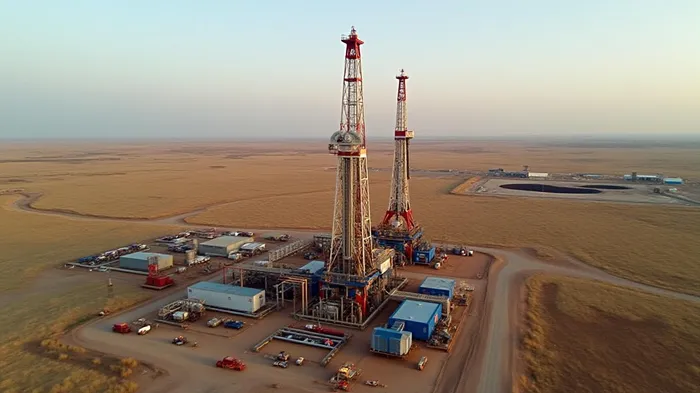
This discipline has kept its debt-to-capital ratio at a sector-low 12%, while shareholder returns remain a priority. With $20 billion annually allocated to buybacks through 2026, ExxonXOM-- is turning low oil prices into an opportunity to strengthen its position.
2. Chevron: The Balance Sheet Beast
Chevron’s $157 billion equity and $264 billion market cap are underpinned by a strategy of asset optimization. Its Kazakhstan Future Growth Project (FGP), now operational, is a crown jewel, expected to add 1 million barrels of oil equivalent per day by 2030. Meanwhile, its exit from Venezuela—though painful—freed capital to focus on high-margin U.S. shale and chemical projects.
Chevron’s FCF, though temporarily dented by the Venezuelan wind-down, remains robust. At $15 billion in 2024, it fuels dividends (yielding 4.4%) and buybacks while maintaining a net-debt-to-equity ratio of just 11%.
3. BP: The Turnaround Play with M&A Potential
BP is the wildcard in this trio. Its stock has plummeted 28% over the past year, but this creates a buying opportunity. Under CEO Murray Auchincloss, BP has reset its strategy: slashing renewable spending to prioritize oil/gas production growth. This pivot, combined with activist pressure from Elliott Management, could force a strategic sale or merger—most likely with Shell, which has already conducted feasibility studies.
A Shell-BP merger would create a $200 billion energy powerhouse, consolidating LNG, deepwater, and refining assets. Even without a deal, BP’s $56 billion market cap is a fraction of its peers, offering asymmetrical upside.
The Catalysts to Watch
- M&A Activity: Shell’s potential bid for BP could unlock $5–7 billion in synergies, but regulatory hurdles and cultural integration challenges loom.
- Exxon/Chevron’s Capital Allocation: Both firms will repurchase shares aggressively at current prices, boosting EPS and dividend yields.
- Oil Price Bottoming: At $60, many shale producers face breakeven pressures, reducing supply and supporting a rebound toward $80 by year-end.
Why Act Now?
The oil majors are buying back shares, slashing costs, and preparing for consolidation—all at a time when the sector is undervalued. With XOM yielding 3.75%, CVX at 4.4%, and BP’s dividend at 5.5%, investors can lock in income while waiting for oil prices to rebound.
Final Call to Action
The $60 oil price is a trap for weak players, but a gift for Exxon, Chevron, and BP. Their balance sheets are unassailable, their strategies are execution-ready, and their M&A catalysts are imminent.
Act now:
- Buy ExxonMobil (XOM) for its Permian dominance and shareholder returns.
- Buy Chevron (CVX) for its FGP growth and balance sheet strength.
- Buy BP (BP) as a leveraged play on merger speculation and asset monetization.
The energy sector’s next leg up starts here.
Disclaimer: Past performance does not guarantee future results. Investors should conduct their own research before making decisions.





Comentarios
Aún no hay comentarios